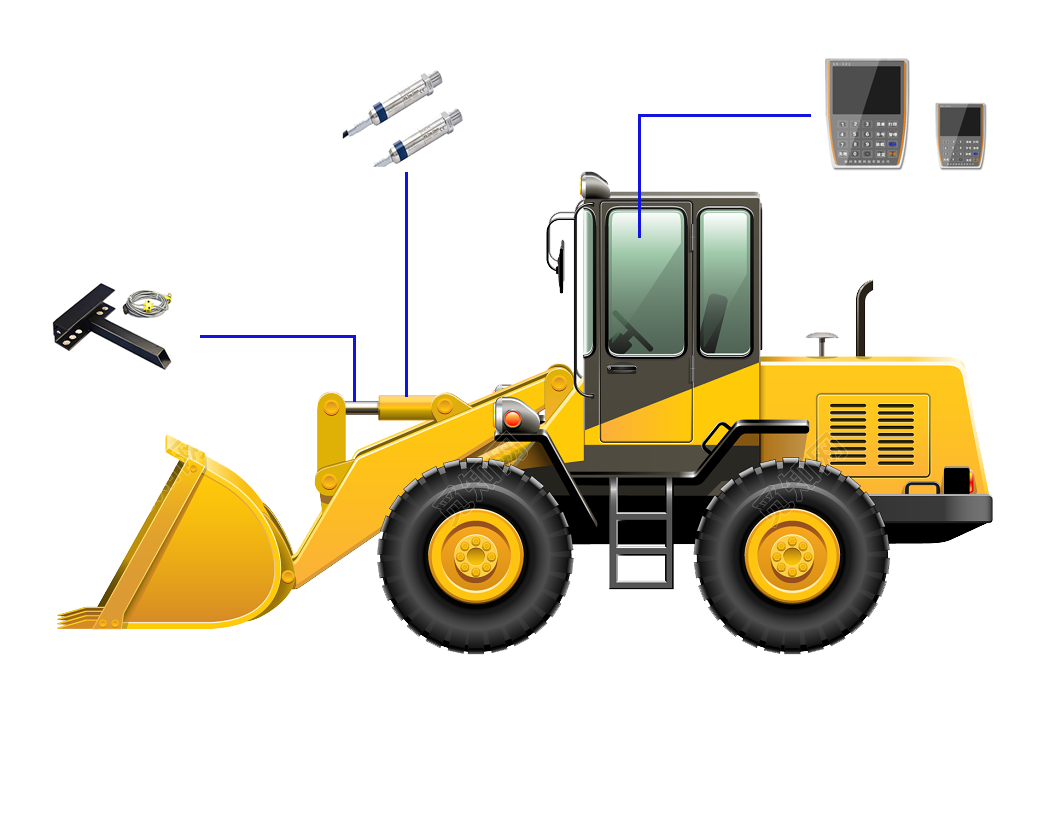
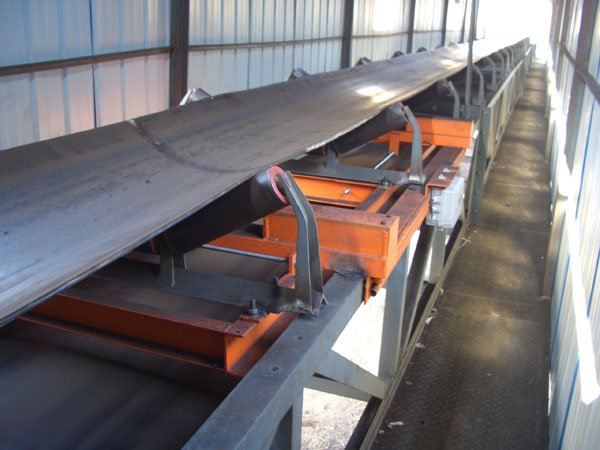
Roller type electronic belt scale is a device used for dynamically and continuously weighing bulk materials conveyed by belt conveyors. It has the advantages of automatic weighing, speed, high efficiency, and accurate weighing, and is widely used and plays an important role in production operations.
The accuracy of the application of roller type electronic belt scales is crucial for material measurement and enterprise economic benefits. To improve the application measurement accuracy of the roller type electronic belt scale, its components must meet basic requirements, which is the foundation.

1. The structural design of the scale body must meet the following requirements:
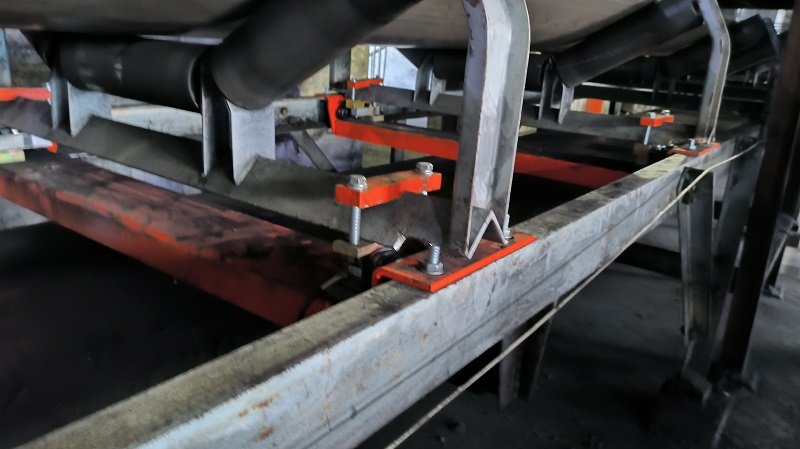
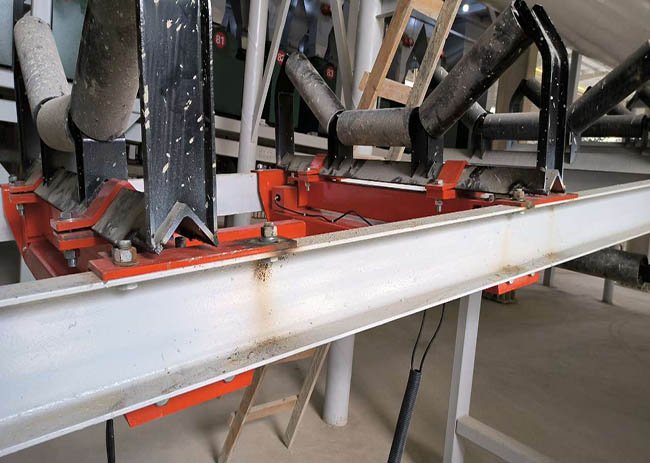
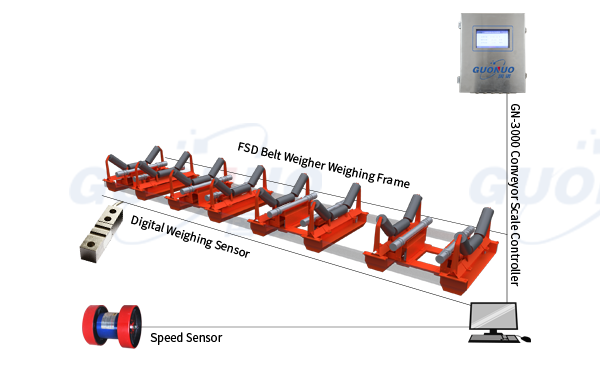
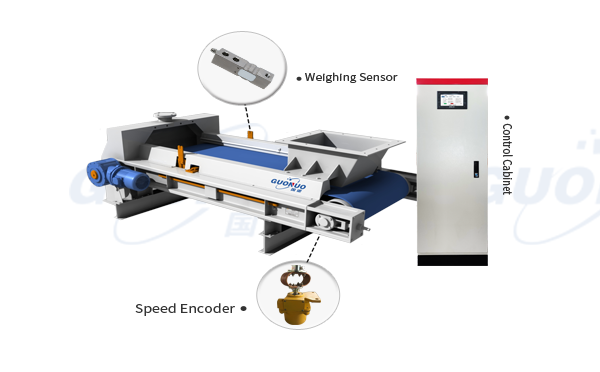
The weighing body of the roller type electronic belt scale is a force transmission device, which should meet the requirements of simple structure, easy installation, good anti eccentric load performance, accurate force transmission, durability, and reliable limit. The fixed bracket of the scale body should be directly installed on the truss of the conveyor, and can be adjusted and fixed vertically to ensure the corresponding height of the weighing frame.
The weighing rack should have sufficient rigidity to reliably carry external loads and accurately apply force to the weighing sensor, providing support and limiting functions. In addition, it is necessary to strictly limit the radial runout of the weighing section and transition section rollers, as well as the out of roundness of the outer busbar, to prevent pulsating impact loads from affecting the measurement accuracy.
2. The weighing sensor must meet the following requirements:
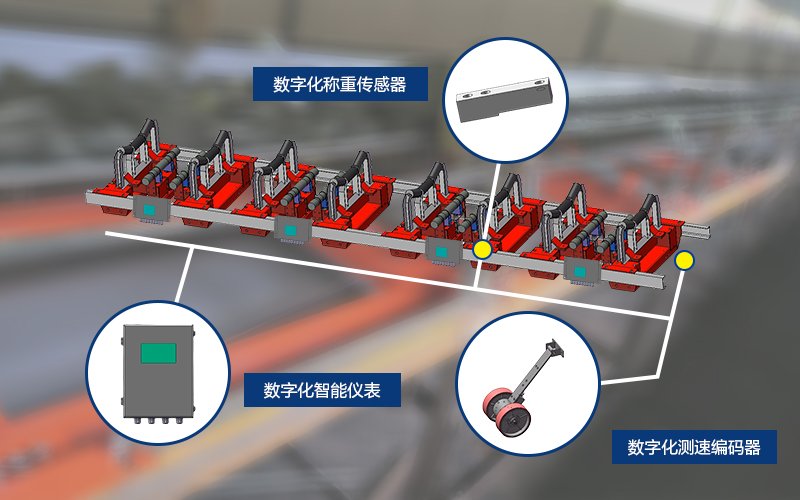
A weighing sensor is a device that converts the mass signal of the measured object into a measurable electrical signal and outputs it. The weighing sensor should first be able to adapt to the working environment it is in, for example, in high-temperature environments, the sensor should be resistant to high temperatures;
Sensors should have airtightness in dusty and humid environments;
In highly corrosive environments, sensors should have corrosion resistance and good sealing performance;
In an electromagnetic field environment, sensors need to have good electromagnetic resistance.
The number of weighing sensors is determined by the purpose of the roller type electronic belt scale and the number of support points required for the scale body. The accuracy level of the weighing sensor must meet the input requirements of the instrument, and the output signal must be greater than or equal to the input signal size required by the instrument. In addition, the accuracy of the sensor should slightly exceed the theoretical calculation value.
3. The speed sensor must meet the following requirements:
The accuracy of the speed signal measured by the speed sensor is equally important as the weight signal. The rotation axis of the cantilever should be very sensitive, the cantilever should have a certain length, the friction wheel should have relative weight, and the rotation should be sensitive. The friction coefficient of the outer edge sleeve should be large.
Materials with good wear resistance should be used to ensure sufficient friction between the friction wheel and the belt, so that the friction wheel can roll without sliding or jumping, ensuring real-time and accurate speed signals.
4. The display instrument needs to meet the following requirements and have the following functions:
The instrument is the data core of the roller type electronic belt scale. The basic function is to have a high-performance processor that can efficiently receive, process, display, upload, and print signals. The software interface should be simple, clear, and easy to operate; Rich and standardized information interfaces; The instrument should have automatic zero and interval adjustment functions to improve the accuracy of the belt scale. In addition, modern high-precision roller type electronic belt scales have more intelligent functions, such as online monitoring and intelligent diagnostic analysis, and automatic alarm functions.
The roller type electronic belt scale is a key equipment related to enterprise economic accounting and production monitoring. Each component needs to meet corresponding requirements to improve its ability to adapt to the on-site environment, thereby enhancing its application accuracy and durability.