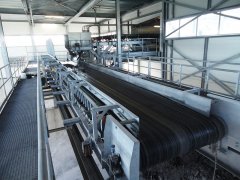
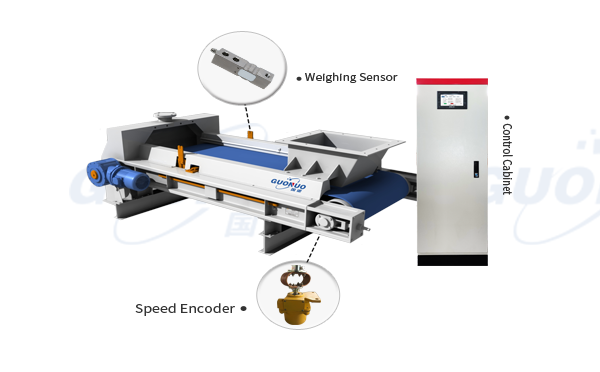
During material conveying in industrial production, belt scales continuously measure the flow rate and total volume of bulk materials. Its metering accuracy plays a vital role in production and management. The precision of a belt scale largely depends on a seemingly simple yet critical component — the weighing idler.
It is not a substitute for ordinary conveying idlers, but a specially designed and strictly selected sensing support point. Its performance and application specifications directly determine whether the belt scale can achieve high-precision and highly reliable weighing.
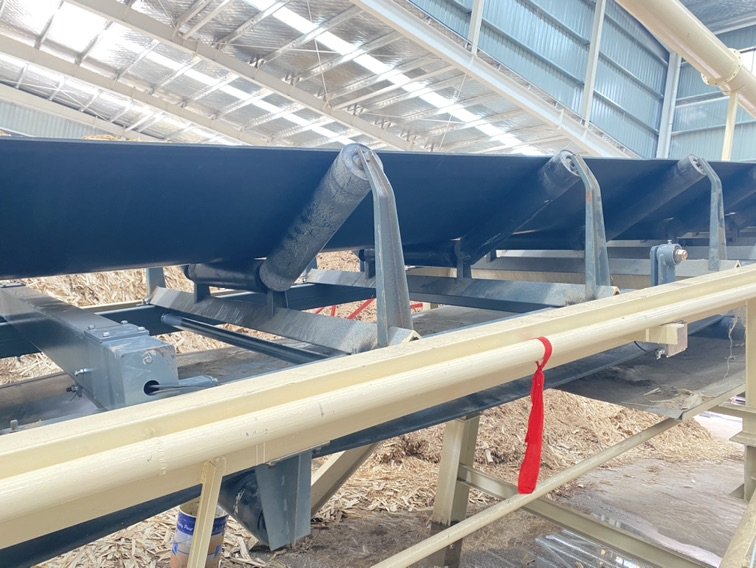
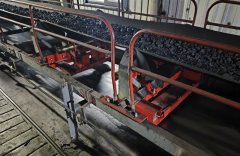
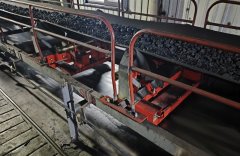
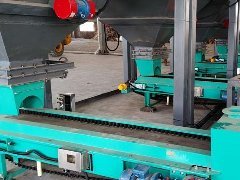
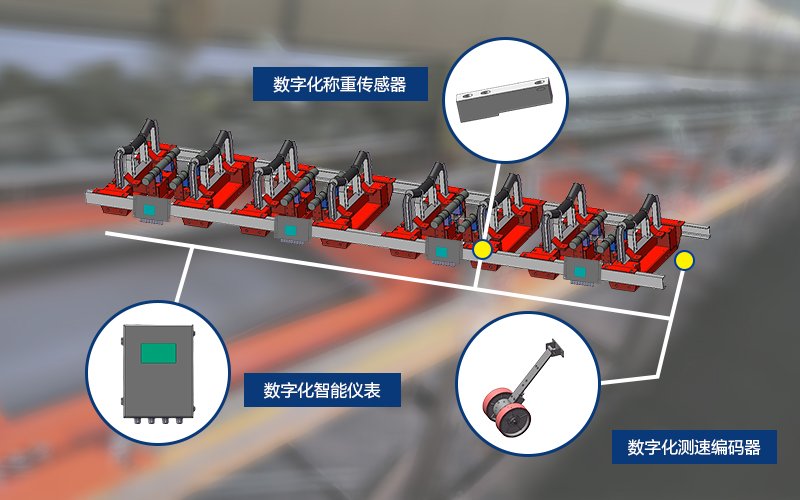
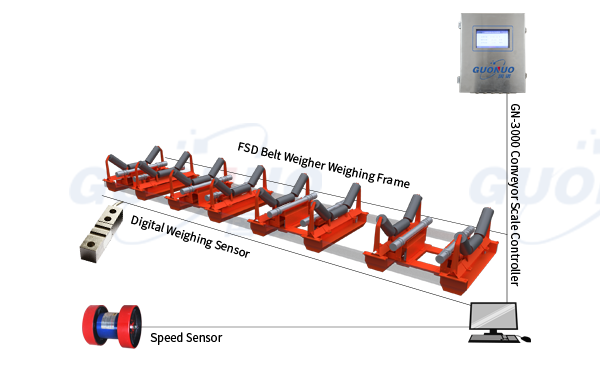
When the fully loaded conveyor belt passes through the weighing area, the gravity of materials acts on the weighing idlers via the belt. As the direct bearing component of the weighing sensor or weighing module, the weighing idler undertakes core responsibilities as follows:
· Load transmission: Vertically transmit the weight of materials to the weighing sensor below without loss and distortion, and eliminate lateral force interference.
· Measurement benchmark: Form a stable and highly repeatable weighing platform to ensure consistent measurement reference for each material passing.
· Operational support: Keep the conveyor belt running steadily in the weighing section, reduce jitter and vibration, and avoid dynamic measurement errors.
Strict application requirements are essential prerequisites to guarantee weighing accuracy under complex industrial operating conditions.
1. Selection Requirements: Balance Adaptability and Precision
Weighing idlers shall be precisely matched with conveyor parameters. Firstly, the diameter and wall thickness are determined according to material properties and conveying capacity.
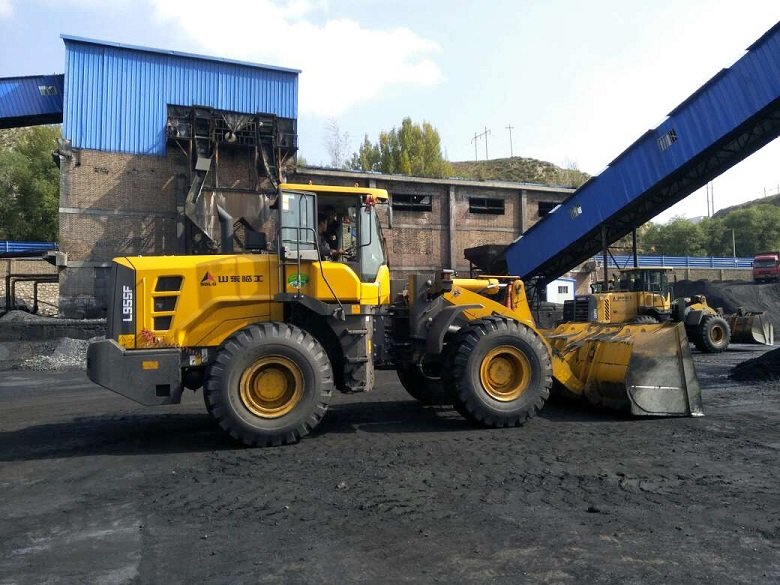
For bulk materials such as coal and ore, idlers with diameter no less than 108mm and wall thickness no less than 4mm are preferred to withstand heavy impact load. Secondly, the trough angle of idlers is uniformly set at 20°, and radial runout shall be controlled within 0.2mm to prevent unstable belt operation caused by geometric deviation.
2. Installation Specifications: Geometric Precision and Dynamic Calibration
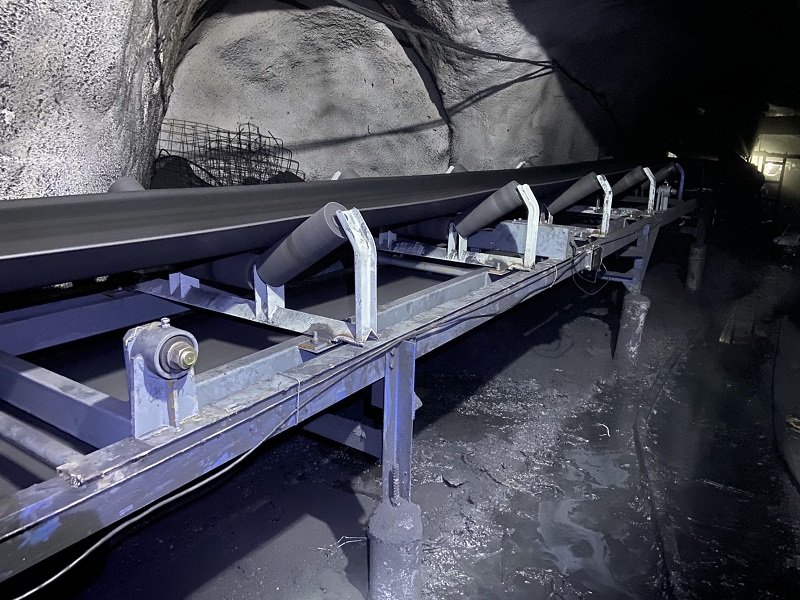
Installation shall comply strictly with geometric positioning standards. The weighing idler set shall be installed in the area with minimum belt tension, and the deviation from the conveyor centerline shall not exceed ±1mm. A laser locator is adopted to calibrate the trough centerline, ensuring the coincidence deviation with other idler centerlines within 0.3mm.
In terms of dynamic calibration, shims are used to adjust the levelness of the weighing idler and three groups of idlers on both sides. The height difference between adjacent idlers shall be no more than 0.2mm. Guide idlers shall be installed within 500mm on both sides of the weighing idler to build a stable guiding system and avoid measurement errors caused by belt deviation.
3. Maintenance Management: Guarantee Long-term Stable Performance
Regular maintenance is crucial to maintain idler performance. Lithium-based grease shall be injected into bearings through grease nipples every six months to reduce rotational resistance. Radial runout shall be inspected monthly.
Idlers with measured value exceeding 0.3mm by dial indicator shall be replaced immediately. Adhered materials on the idler surface need regular cleaning to prevent belt slippage resulted from changed friction coefficient.
Weighing idlers are core components guaranteeing material conveying and accurate weighing. They need to meet standards of high rigidity, wear resistance, low friction and smooth operation to secure the stability and precision of the whole belt scale system. Regular inspection and maintenance effectively extend service life, and sustain stable weighing accuracy and production efficiency.