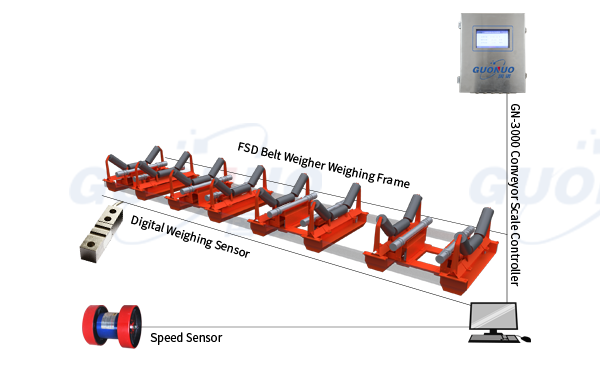
In various industries such as logistics, warehousing, mining, and agriculture, accurate weighing of goods is a critical factor in measuring production efficiency, controlling costs, and ensuring transaction fairness. Weighbridge scales, as fixed weighing equipment, have long played an irreplaceable role in scenarios such as goods in and out of warehouses and bulk material transactions.
However, with technological advancements and diversified production models, a single weighbridge scale weighing method can no longer meet all weighing needs. The emergence of loader electronic scales has precisely addressed the issue of weighing during vehicle loading processes.

Weighbridge scales, as large static weighing devices, are typically installed in fixed locations. Their significant advantage lies in providing high-precision measurements of the total weight of goods, especially suitable for weighing vehicles and large cargo. However, in practical applications, weighbridge scales also exhibit some limitations:
1. Insufficient Flexibility: The installation position of weighbridge scales is relatively fixed, making them less flexible for scenarios requiring weighing at different locations.
2. Low Operational Efficiency: Weighbridge scales are usually used to measure the weight of bulk materials transported in a single trip. They typically require vehicles to pass over the weighing platform, potentially occupying the site during entry and exit, and necessitating vehicle queuing. Especially during peak hours, vehicle queuing for weighing can significantly impact logistics efficiency, increasing time and labor costs.
3. Inability to Provide Immediate Feedback: Weighbridge scale weighing usually requires manual data recording, making it difficult to achieve immediate data transmission and analysis, thereby affecting the timeliness of decision-making.
4. High Cost: For small and medium-sized enterprises, the high purchase and installation costs of weighbridge scales can be a burden.
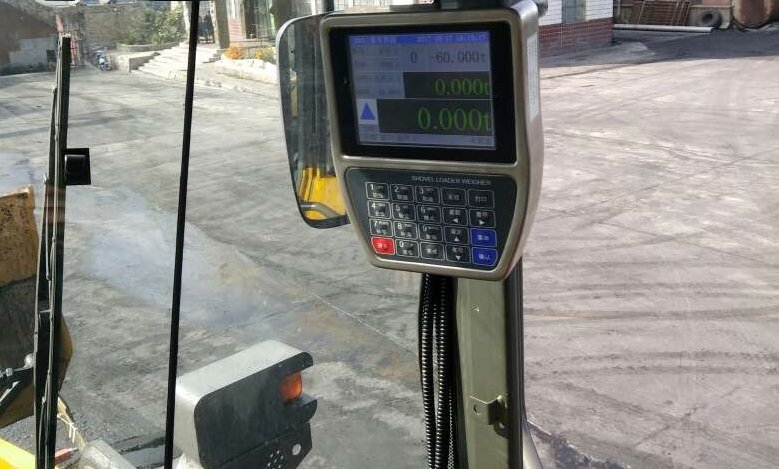
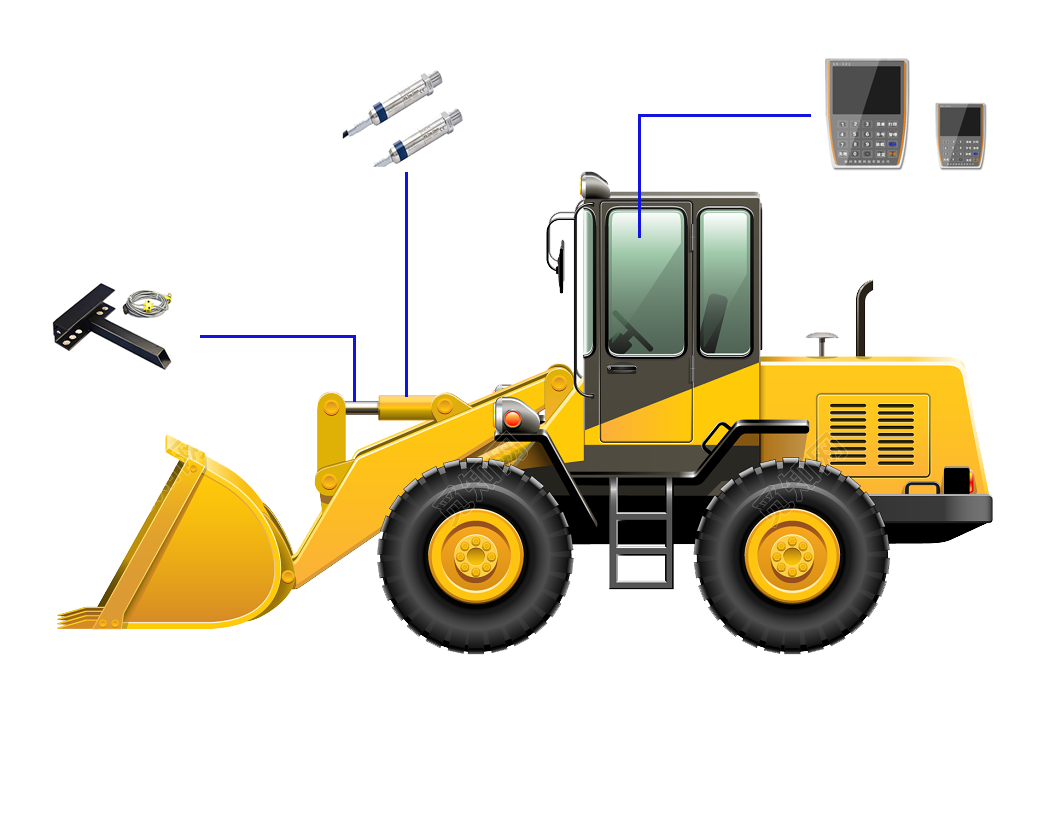
In contrast to weighbridge scales, loader electronic scales are dynamic weighing devices typically installed on loaders or forklifts. They measure the weight of loaded materials in real-time through weighing sensors, data acquisition units, and display systems. Loader electronic scales enable real-time weighing during the material loading process without requiring the materials to stop for static weighing. Here are several key advantages of loader electronic scales:
1. Dynamic Weighing Enhances Work Efficiency: Loader scales utilize dynamic weighing principles to measure the weight of goods in real-time during the material loading process. This means that operators do not need to stop, unload, or transfer materials to other equipment for weighing, significantly improving operational efficiency.
Especially in mines, construction sites, port terminals, and other locations requiring frequent loading and unloading of materials, loader scales significantly reduce production downtime, saving enterprises a substantial amount of time and costs.
2. High Weighing Accuracy, Adaptable to Various Environments: Loader scales are typically equipped with high-precision sensors and anti-bump measures, enabling stable and accurate weighing in various complex environments.
Whether on high-temperature, high-humidity, dusty, or uneven ground, loader scales can ensure the accuracy of weighing data. In comparison, weighbridge scale weighing systems are more susceptible to environmental factors such as wind speed, temperature, and humidity.
3. Facilitates Real-Time Monitoring and Data Tracking: Loader scales are usually equipped with advanced data acquisition and transmission systems, enabling real-time recording and uploading of weighing data.
These data can not only be displayed in real-time on the display screen in the driver's cabin for operator monitoring of material weight but can also be transmitted to the cloud or management system via network connections. Through these data, enterprises can achieve full monitoring of material loading, unloading, transportation, and storage, ensuring traceability and transparency in production and transportation links.
4. Saves Space and Site Area: Weighbridge scale weighing systems require installation on dedicated sites and typically require vehicles to enter and exit, potentially necessitating a large site area. In contrast, loader scales are directly installed on loaders, saving occupancy space. For environments requiring frequent loading and unloading, using loader scales can avoid frequent parking and queuing issues, thereby improving work efficiency.
Although weighbridge scale weighing systems and loader electronic scales each have their advantages, they are not entirely substitutable. Instead, they often complement each other to jointly improve material weighing and management efficiency. While weighbridge scale weighing can meet some needs, loader electronic scales, as a flexible and efficient supplementary device, remain an indispensable part of modern industrial weighing management.