In industrial production, the precise measurement of material flow directly impacts cost control, process optimization, and fairness in trade settlement. Especially in the fields of bulk materials such as coal, ore, building materials, and grain, traditional belt scales often suffer from accuracy fluctuations and frequent maintenance due to insufficient structural stability or poor environmental adaptability, becoming a "measurement pain point" that plagues production.
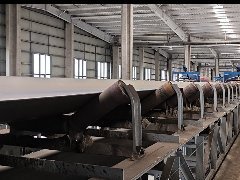
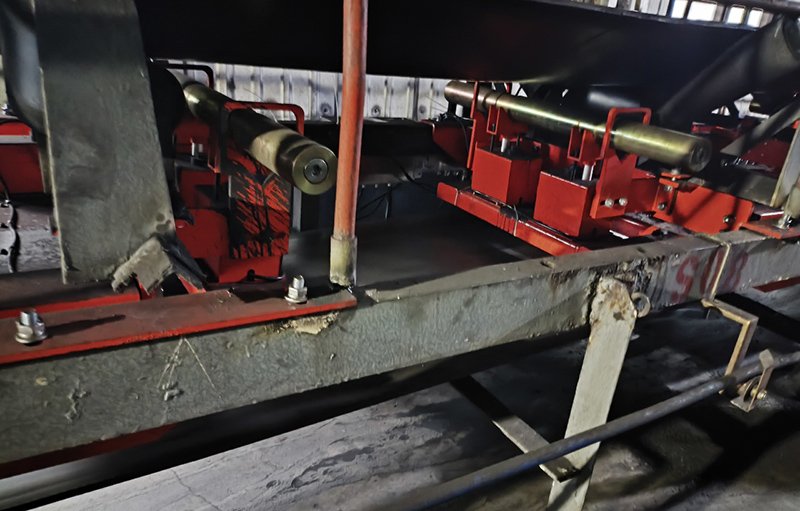
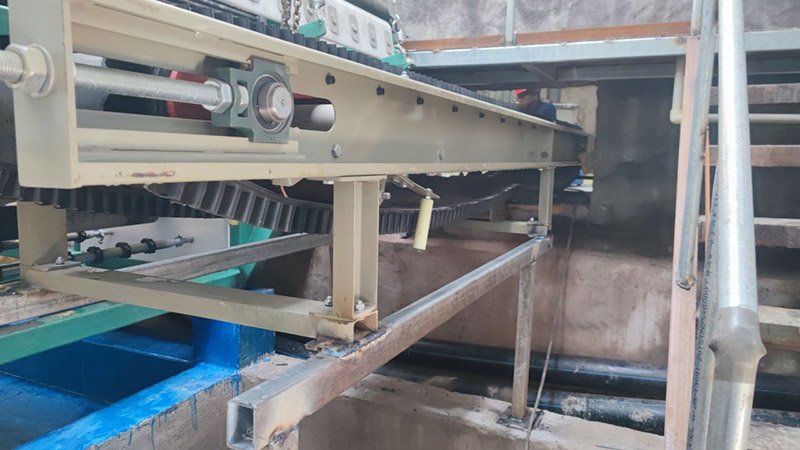
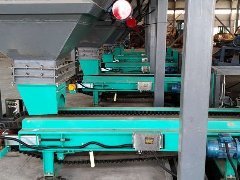
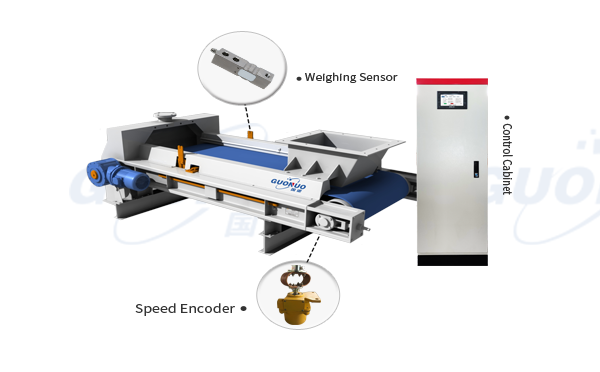
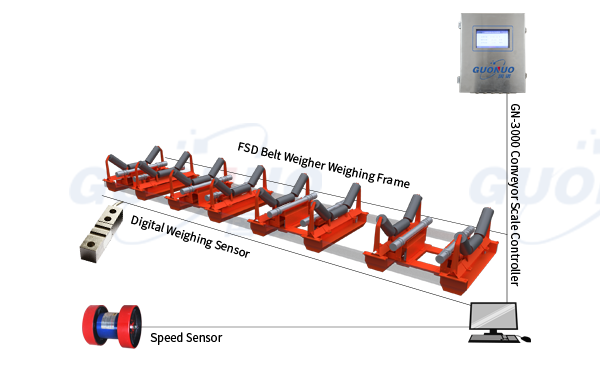
Guonuo Technology, leveraging its deep understanding of industrial metrology needs, has launched a matrix-style high-precision belt scale, breaking through traditional limitations through structural innovation. Its core advantage lies in the innovative design concept of multi-point support and distributed force distribution.
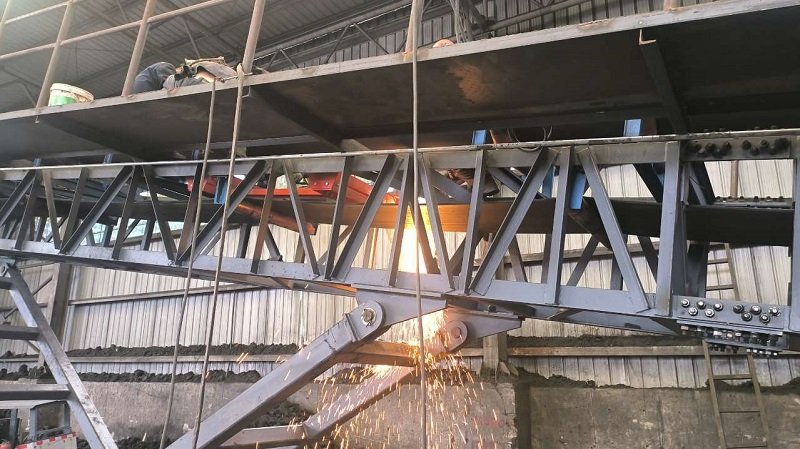
By constructing a "matrix-style scale frame" with multiple independent weighing units evenly distributed beneath the belt, it significantly disperses the local pressure of materials on the belt, greatly reducing the impact of factors such as belt tension fluctuations, belt deviation, and material impact on weighing accuracy during operation. This not only enhances the overall structural stability but also ensures high consistency of metrology data under complex working conditions.
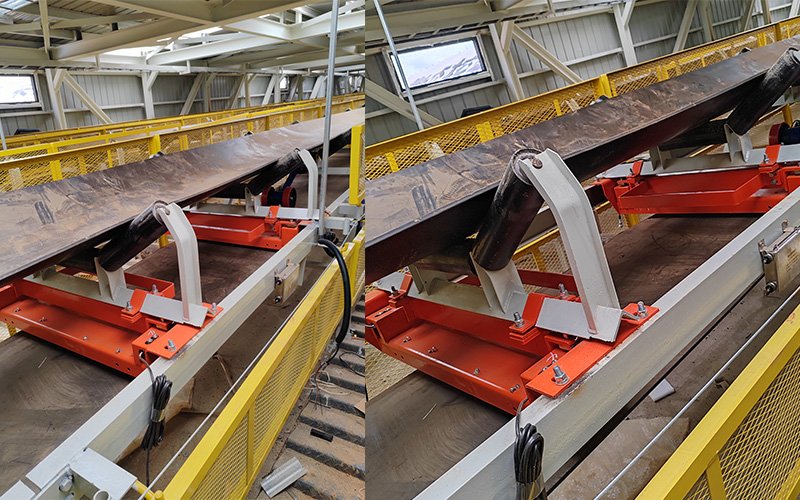
This structural advantage brings about a dual leap in accuracy and reliability. The Guonuo matrix belt scale easily achieves system accuracy within 0.2%, and even achieves an excellent performance of 0.2% under specific working conditions, far exceeding the typical accuracy level of around 0.5% for traditional belt scales. With a longer calibration cycle and lower maintenance requirements, users can truly experience "peace of mind when installing, and long-term worry-free operation".
Real-life case proves value: Guonuo Technology's matrix-type high-precision belt weigher showcases its capabilities across various industries
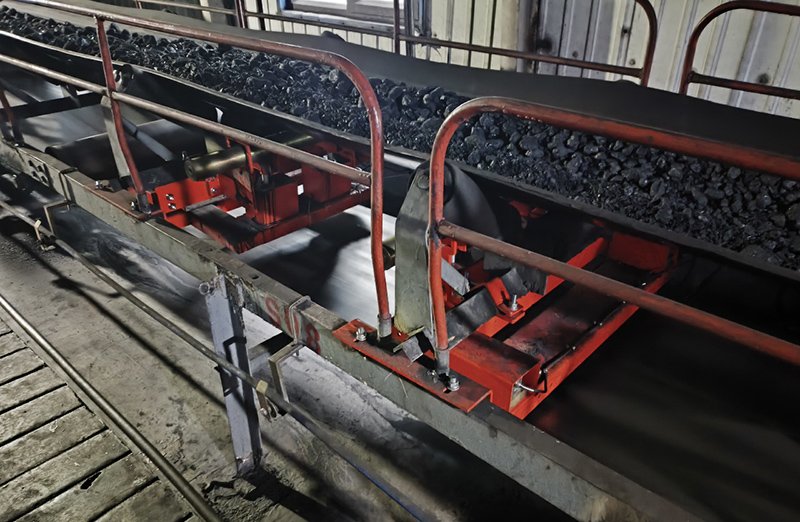
1. Coal industry: a large coal washing plant in Yulin
(1) Pain points: The original single-roller belt scale, when used in the coal washing process section with uneven feeding and significant changes in belt tension, experienced significant measurement fluctuations (often exceeding 1%), leading to inaccurate statistics on washed coal production. This directly impacted economic benefit calculations. Frequent calibration and maintenance also increased labor costs.
(2) Effectiveness:
Accuracy leap: The system's accuracy is stably controlled within 0.25%, significantly reducing fluctuations in the measurement data of washed coal production, providing a reliable basis for cost accounting and trade settlement.
Efficiency improvement: The calibration cycle has been extended from once a month to once every quarter, significantly reducing maintenance workload.
1. Significant benefits: After the improvement of measurement accuracy, the direct economic benefits brought by the reduction of annual settlement errors in a single production line alone have been significantly enhanced. The person in charge of the factory stated, "The benefits brought by precise measurement are clearly visible."
2. Building materials industry: limestone pre-homogenization yard of a large cement group
(1) Pain points: The composition of limestone raw materials fluctuates significantly. Under long-distance (over 800 meters) and steep-angle conveying conditions, traditional belt scales experience severe zero drift due to changes in belt tension, often resulting in measurement errors exceeding 1.5%. This significantly affects the accuracy of raw material proportioning, thereby impacting clinker quality and energy consumption.
(2) Effectiveness:
Excellent stability: In harsh environments with long distances and large inclinations, the zero point stability is excellent, effectively overcoming the impact of tension variations.
- Accuracy guarantee: The measurement accuracy remains stable at 0.3%, providing a solid guarantee for precise raw material proportioning.
- Quality improvement: The raw material composition is more uniform, resulting in a significant improvement in clinker quality and production line stability, with a corresponding reduction in coal consumption.
3. Metallurgical industry: sintering raw material yard of a large steel enterprise
(1) Pain points: Iron ore fines, flux, and other raw materials come in a wide variety, have high flow rates, and experience frequent moisture changes. The original scale frame is prone to deformation and rusting under the impact of materials and exposure to moisture, leading to significant measurement deviations and severe fluctuations (often exceeding 2%). This results in substantial batching errors, impacting the quality and output of sintered ore.
(2) Effectiveness:
- Impact and interference resistance: The matrix structure effectively disperses the impact force of materials, significantly enhancing the metering stability of the belt conveyor, a key component, and ensuring it remains unaffected by fluctuations in material moisture content.
- Precise metering: The system boasts a stable accuracy of better than 0.35%, significantly enhancing the precision of ingredient dosing.
Improving quality and increasing production: The chemical stability of sinter ore has been enhanced, the rate of first-grade products has increased, and the smooth operation of the blast furnace has been improved. The person in charge of the raw material workshop reported: "The batching is accurate, the quality of sinter ore has significantly improved, the pressure on subsequent processes has also decreased, and the stability of equipment operation is particularly satisfactory."
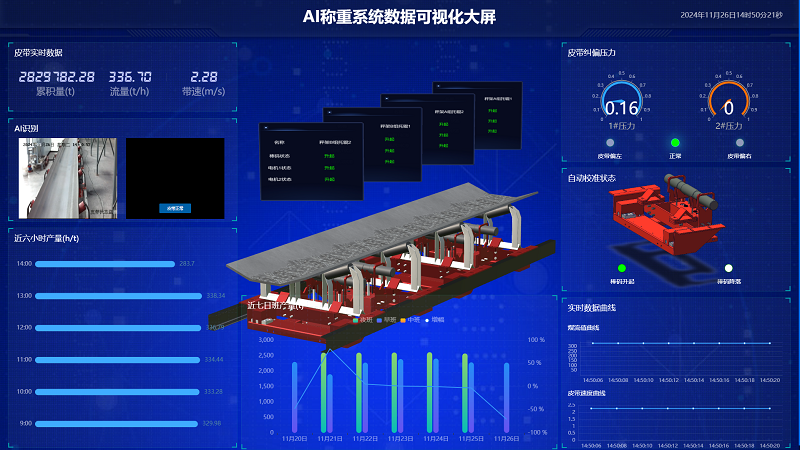
From coal mines to power plants, from building materials and steel to cement production lines, Guonuo Technology's matrix-type high-precision belt weigher has redefined the standards for industrial dynamic measurement through technological innovation. It not only addresses the pain points of traditional equipment in terms of accuracy, stability, and adaptability, but also promotes transparency in production processes and scientific decision-making through intelligent functions.