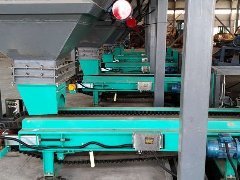
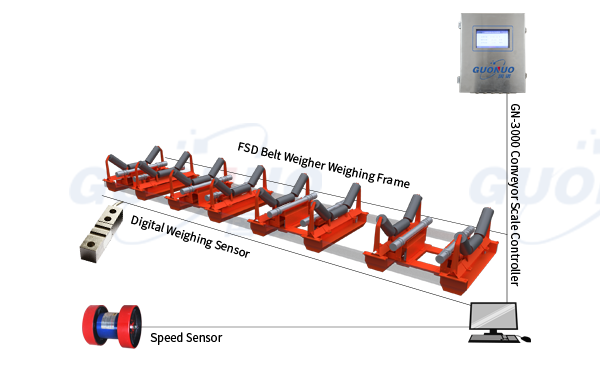
Electronic belt scales serve as the core equipment for dynamic measurement of industrial bulk materials, with their technological evolution consistently focusing on accuracy, stability, and adaptability.
Modular electronic belt scales, through their innovative structural design, break through the limitations of traditional lever-type belt scales, demonstrating significant advantages in measurement accuracy, environmental adaptability, and maintenance efficiency. The technical characteristics of modular electronic belt scales are primarily manifested in three dimensions: structural innovation, performance optimization, and intelligent applications.
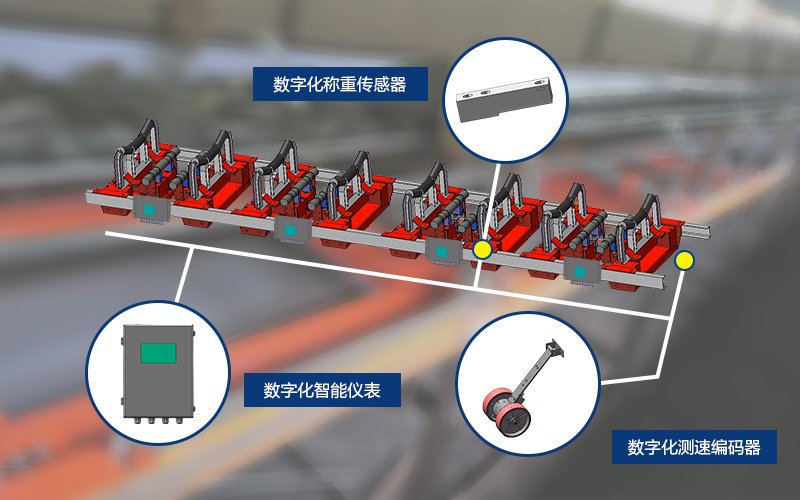
1. Decoupling and Reconstruction of Physical Architecture
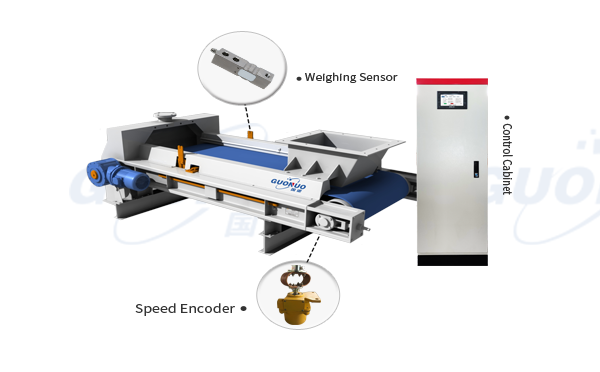
①Independent Functional Units: The core of modular design lies in decoupling the complex whole of traditional belt scales into independent physical units with clear functions. These mainly include weighing modules (comprising weighing frames and sensors), speed measurement modules (containing speed sensors), and signal processing and calculation modules (incorporating instruments or edge computing units).
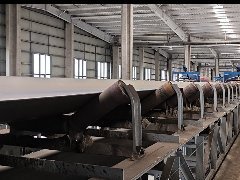
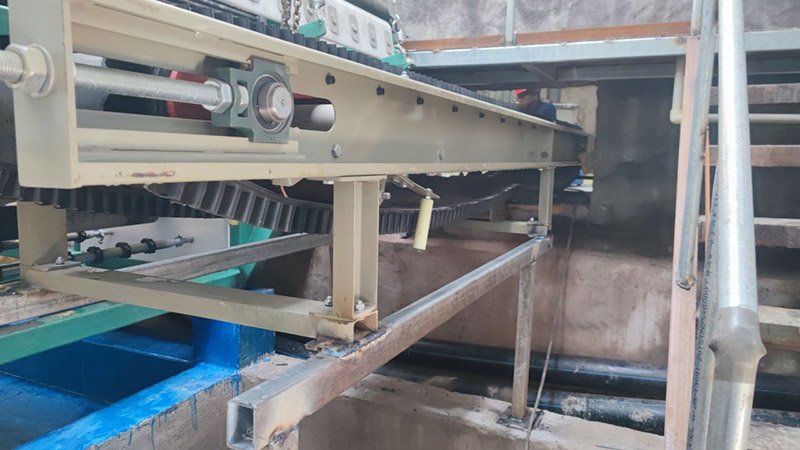
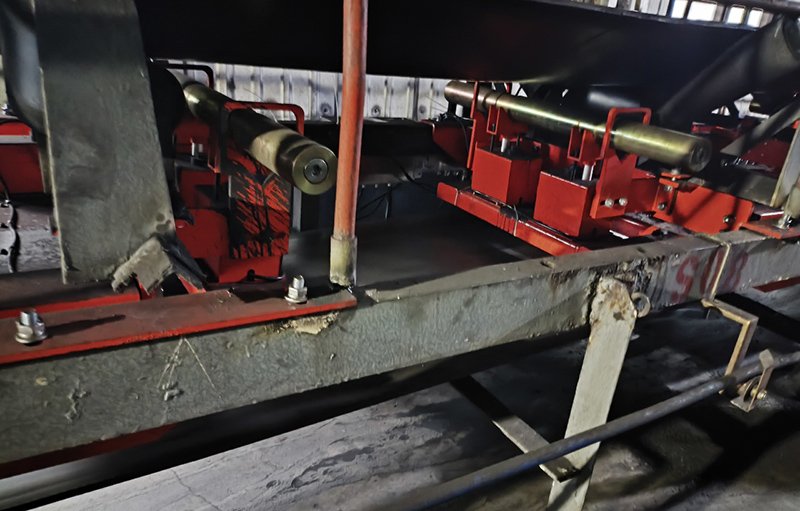
Each module has distinct physical boundaries and interfaces. Importantly, modularity is also reflected in the "de-leveraging" of the weighing bridge, featuring a beamless structure where two sets of weighing idlers are equipped with four high-precision weighing sensors as a single weighing unit, and multiple weighing units are arranged in a matrix to form a complete weighing platform.
②Standardized Interface Design: Modules are connected through precisely designed standardized mechanical interfaces, electrical interfaces (such as bus connections, aviation plugs), and communication protocols. This ensures physical interchangeability and stable signal transmission between modules, greatly simplifying the installation and replacement processes.
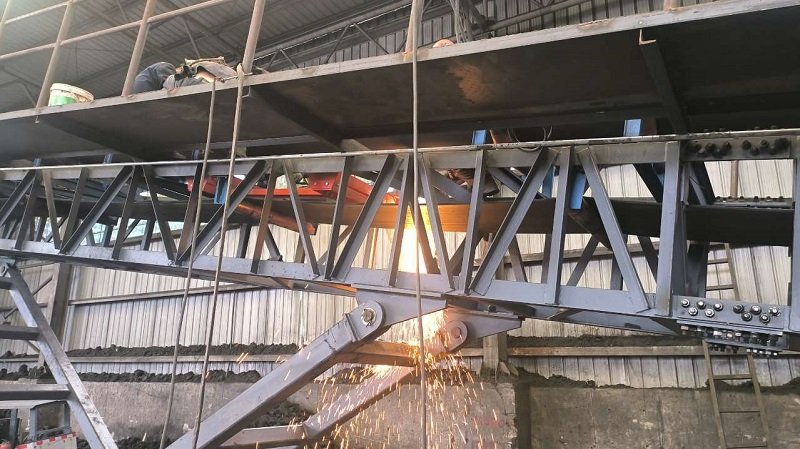
③Installation Flexibility: Modular design endows the equipment with stronger scene adaptability. Weighing modules can be flexibly selected and arranged according to the structure of the on-site belt conveyor; processing modules can be installed away from high-vibration and high-dust areas to optimize the operating environment.
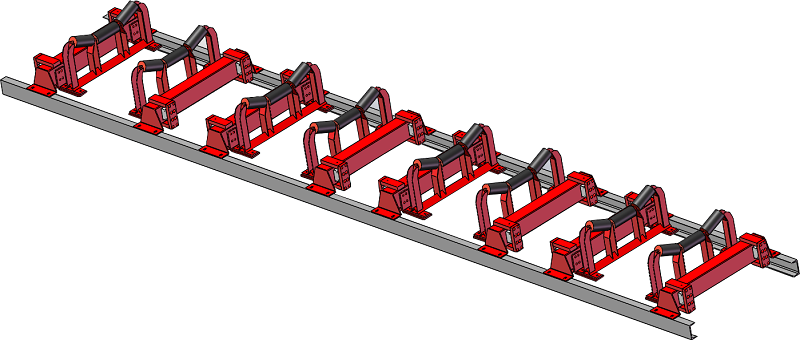
2. Modular Optimization of Sensing and Measurement
①Separated Integration of Weighing Sensors: As the core sensing element, the weighing sensor is ingeniously integrated into the independent weighing module. This module typically includes a mechanically optimized load-bearing structure and sensor installation reference to ensure reliable force transmission and long-term measurement stability. Modular encapsulation also enhances the sensor's resistance to environmental damage.
②Independent Speed Measurement Modules: Speed measurement is no longer dependent on the weighing frame. Independent speed measurement modules can be flexibly installed at suitable locations such as the belt output end, reducing interference from belt tension and vibration and providing a higher-precision speed reference signal.
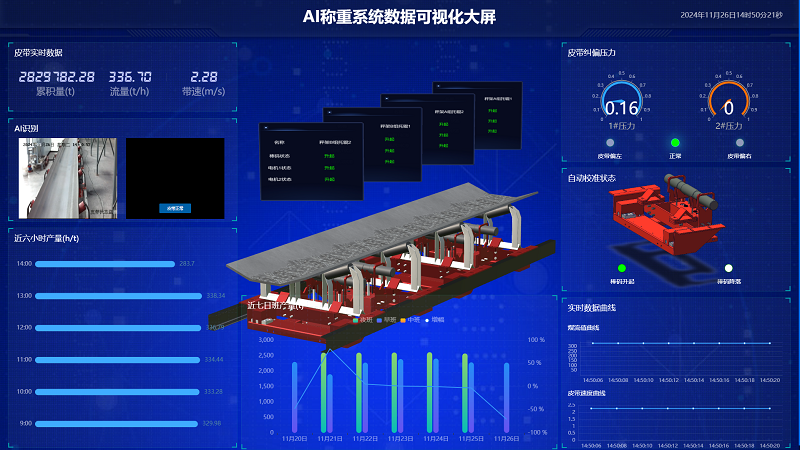
③Internal Calibration References in Modules: Advanced modular scale designs often integrate calibration reference points or structures within the weighing modules, facilitating more precise hang-code calibration or chain-code calibration and reducing the complexity of external interventions. More advanced structures can integrate standard bar codes and incorporate intelligent online calibration algorithms to automatically complete online calibration operations.
3. Distributed Intelligence in Data Processing and Systems
①Distributed Processing Architecture: The data processing module (or weighing instrument/controller), as an independent unit, receives signals from the weighing and speed measurement modules. Modular support enables a distributed edge computing architecture, allowing data processing units to be deployed close to sensors or centrally安置 (placed), while possessing the capability to process core algorithms (such as weight signal filtering, integration operations, and flow calculations).
②Modular Software and Configuration: Software functions also adhere to a modular concept. Device parameter configuration, calibration procedures, diagnostic functions, and communication protocol support exist as software modules that can be flexibly configured or upgraded through authorization without requiring a complete hardware replacement.
③Standardized Data Interaction: Communication between modules and with upper-level systems strictly adheres to industrial standard protocols. The data processing module serves as a communication gateway, uniformly providing information such as status, flow rate, and diagnostics.
4. Ensuring Scalability and Long-Term Value
①Seamless Integration of Technological Iterations: New sensor technologies, more powerful processors, and updated communication standards can be smoothly incorporated into existing systems through upgrades to specific modules, protecting equipment investment and extending the technological lifecycle.
②Flexible Functional Expansion: According to process development needs, additional functional modules such as material temperature monitoring, deviation detection and correction, and automatic online calibration can be conveniently added to expand system capabilities.
Modular electronic belt scales, through the decoupling and reconstruction of physical architecture, independent optimization of sensing and measurement, distributed intelligence in data processing, and fundamental changes in maintenance services, construct a highly flexible, reliable, and future-oriented technical form.
They not only address the inherent pain points of traditional belt scales in installation, maintenance, and upgrades but also endow industrial continuous measurement systems with stronger adaptability and enduring vitality through standardization and openness, becoming indispensable precise measurement equipment in the intelligent transformation process of the process industry.