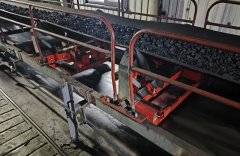
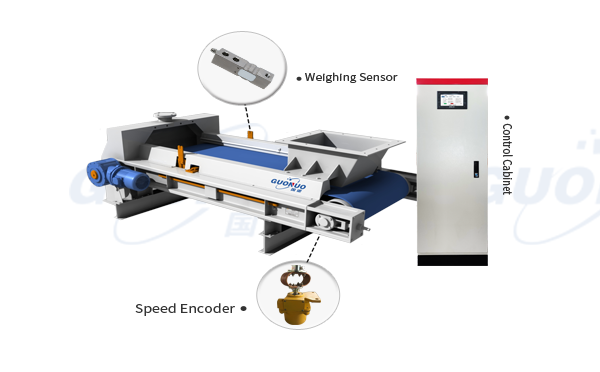
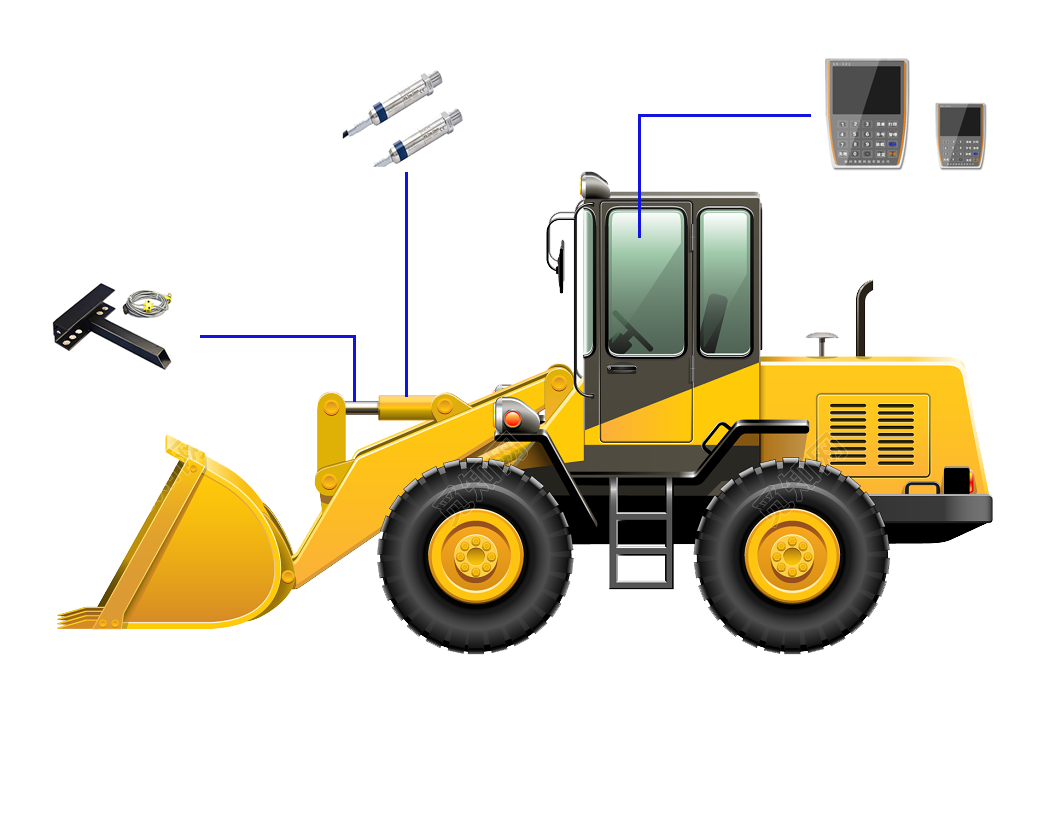
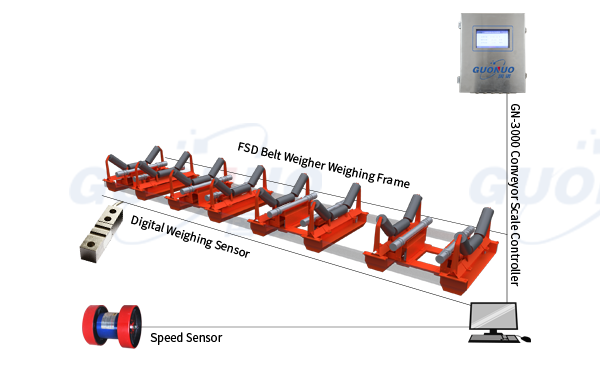
In industrial scenarios such as mines, metallurgy and coal industry, mining electronic belt scales serve as core equipment for material metering. They not only monitor material flow in real time, but also provide key data support for production scheduling and cost accounting.
Faced with a wide variety of equipment models and diverse parameters on the market, many purchasers are confused about selection. To pick the right mining electronic belt scale, it is necessary to make a comprehensive decision based on three core dimensions — precision, explosion-proof performance and service, combined with industry standards and on-site requirements. The detailed analysis is as follows.
I. Precision: Core Metering Indicator for Working Condition Adaptation
Precision embodies the core value of mining belt scales. It should be selected dynamically according to actual metering purposes and working conditions, avoiding two misunderstandings: over-pursuing high precision or insufficient precision.
(1) Precision Grades and Applicable Scenarios
In accordance with national standard GB/T7721-2017 Continuous Totalizing Automatic Weighing Instruments (Belt Scales) and industry standard MT/T873-2000 Mining Electronic Belt Scales, the precision of mining belt scales is mainly divided into three grades:
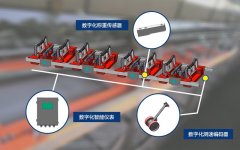
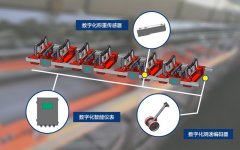
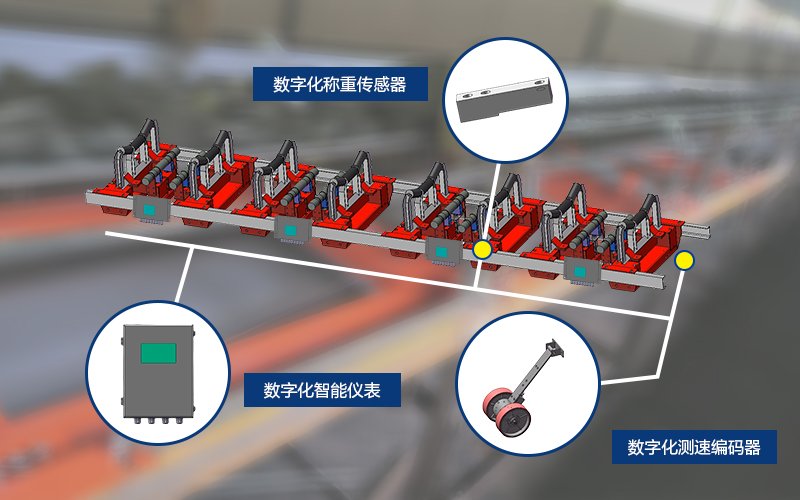
● Trade Settlement Grade: Precision ≤ ±0.25%. Adopts multi-idler full-floating scale frame or matrix sensor array, equipped with digital weighing sensors and non-contact speed measuring devices. Suitable for coal external settlement and accurate output accounting, requiring Class 0.2 metering verification.
● Production Monitoring Grade: Precision ranging from ±0.25% to ±0.5%. Matches multi-idler load-bearing scale frame, meeting internal management needs such as underground raw coal output statistics and shift/daily output statistics, balancing precision and cost.
● Basic Metering Grade: Precision ranging from ±0.5% to ±1.0%. Adopts single-idler scale frame, applicable to temporary metering and non-critical material statistics. It features low cost with limited operational stability.
(2) Key Factors Affecting Precision
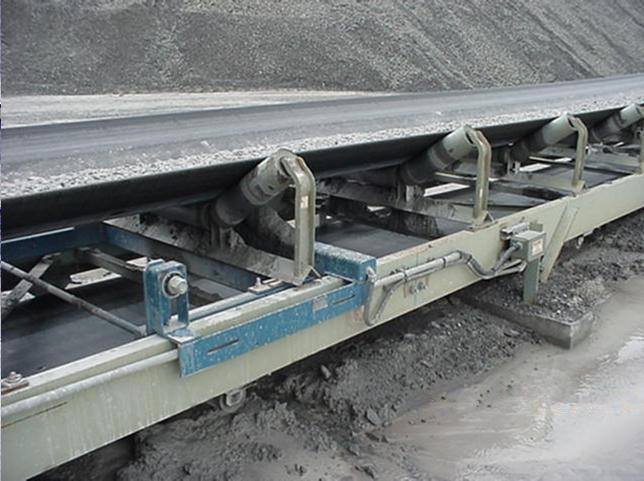
● Scale Frame Structure: The full-floating scale frame has no supporting pivot and small lever ratio, with strong resistance to eccentric load and lateral force, laying a physical foundation for high precision. The multi-idler type improves stability by increasing weighing points; the single-idler type has a simple structure yet weak anti-interference capability.
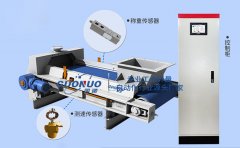
● Core Components: Explosion-proof digital weighing sensors with high sensitivity and strong anti-interference performance are recommended, with a 120%~150% safety margin in range to withstand impact from lump coal. Explosion-proof encoders are preferred for speed measurement sensors to avoid enlarged speed errors caused by slipping.
● Working Condition Adaptation: Underground belt deviation, material impact and environmental vibration will affect precision. Equipment with dynamic error compensation and automatic zero tracking functions should be selected, while adjusting the configuration of scale frame and idlers according to material particle size and humidity.
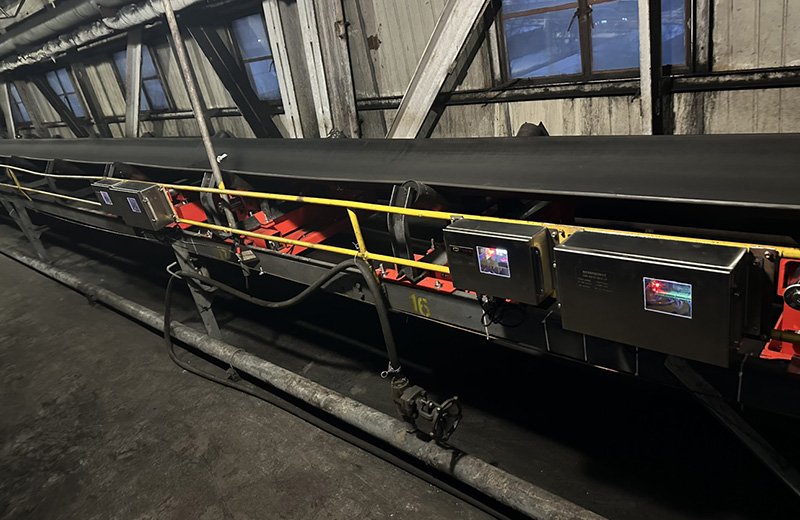
II. Explosion-Proof Performance: Mandatory Access Threshold for Underground Safety
Underground coal mines contain flammable and explosive substances such as gas and coal dust. Explosion-proof performance is a rigid red line for equipment selection, directly related to production safety and compliance.
(1) Mandatory Explosion-Proof Certifications
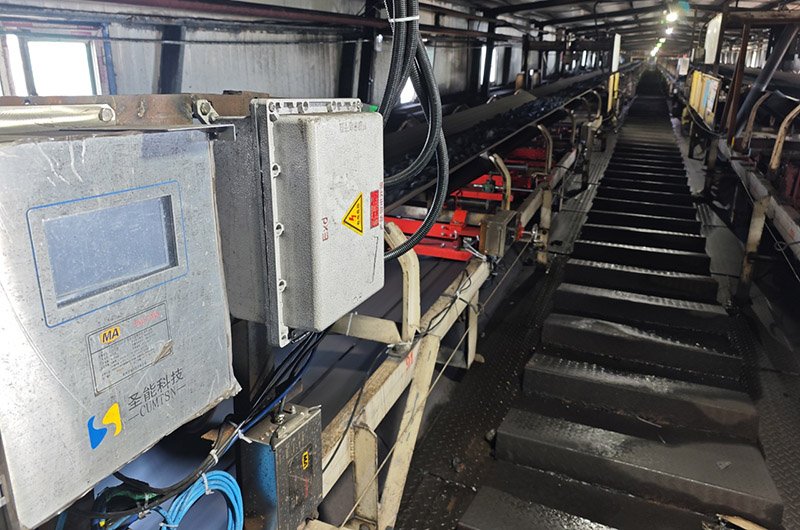
● MA Safety Mark: An essential certification for mining products issued by the National Mine Safety Administration, proving compliance with coal mine safety regulations; the certificate number can be queried on the official platform.
● Explosion-Proof Certificate: Must comply with the GB3836 series standards with the explosion-proof mark ExiaIMb (intrinsically safe), suitable for Zone 0 underground where gas easily accumulates. Some flameproof equipment shall reach ExdIMb grade for Zone 1 and Zone 2 environments.
● Full Explosion-Proof for All Components: All parts including scale frame, weighing sensor, speed sensor, totalizer and junction box must pass explosion-proof certification. Special intrinsically safe shielded cables shall be used for connection to eliminate electric spark hazards.
(2) Key Points of Explosion-Proof Design
● Protection Grade: Protection level ≥ IP65. The scale body and sensors adopt sealed design for dustproof and waterproof performance, resisting underground humidity, coal dust erosion and high-pressure water spraying.
● Material and Technology: The scale frame is made of heavy-duty anti-corrosion steel or stainless steel with impact resistance and corrosion resistance. Key parts are treated with explosion-proof sealing to avoid risks caused by coal dust accumulation.
● Installation Specifications: Strictly follow explosion-proof installation standards with reliable equipment grounding. Explosion-proof interfaces are adopted for connection with underground communication lines to ensure overall system safety.
III. Service: Full-Life Cycle Support Guarantee
The stable operation of mining electronic belt scales relies on comprehensive service support. Especially with complex underground environments and difficult maintenance, service capability directly affects equipment efficiency and operation & maintenance costs.
(1) Core Service Dimensions
● Technical Support: Provide full-process technical guidance from scheme design, model selection to installation and commissioning. Customize installation solutions for underground sites with limited space and special working conditions to shorten the construction period.
● After-Sales Response: Adopt a 7×24-hour service mechanism, promising initial response within 2 hours and on-site support within 24 to 48 hours to quickly handle faults and reduce underground downtime.
● Operation & Maintenance Support: Provide quarterly inspection, remote diagnosis and regular calibration services with sufficient spare parts supply and equipment upgrading support. Conduct operation and maintenance training to improve the proficiency of on-site staff and reduce human-induced failures.
● Qualification & After-Sales Guarantee: Choose manufacturers with independent R&D capabilities and a complete quality management system to ensure equipment complies with industry standards. Complete qualification documents including MA certification, explosion-proof certificate and verification certificate shall be provided to meet acceptance and compliance requirements.
(2) Skills for Service Selection
● Prioritize manufacturers with successful application cases of mining belt scales to guarantee service response speed and adaptability.
● Clarify service cycle and content, and write items such as installation, commissioning and spare parts supply into the contract with clear liability for breach of contract to avoid after-sales prevarication.
● Focus on the full-life cycle cost of equipment. Besides procurement cost, comprehensively evaluate operation and maintenance expenses, calibration fees and downtime losses to select a cost-effective service solution.
Choosing the right mining electronic belt scale is the key to ensuring efficient, safe and compliant coal mine production. Precision determines metering value, explosion-proof performance consolidates the safety bottom line, and service supports stable operation. Enterprises should abandon the misconception of only focusing on low price. Taking the three core dimensions as the evaluation standard, comprehensively assess equipment performance, qualifications and services according to on-site demands, and select suitable products and manufacturers to escort the intelligent production of coal mines.