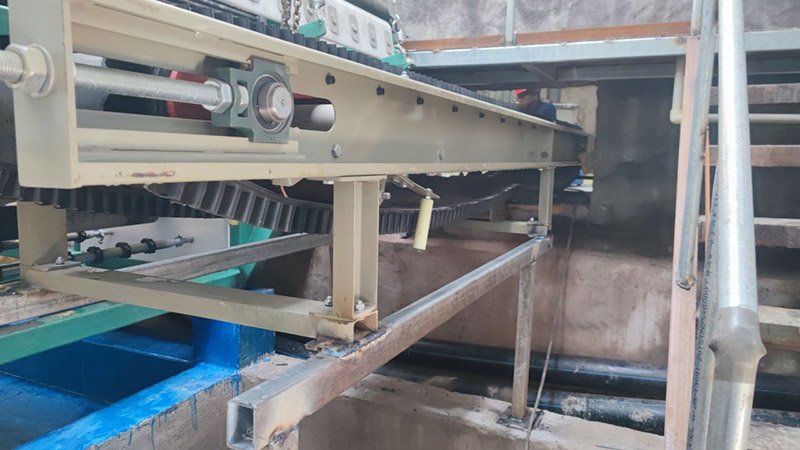
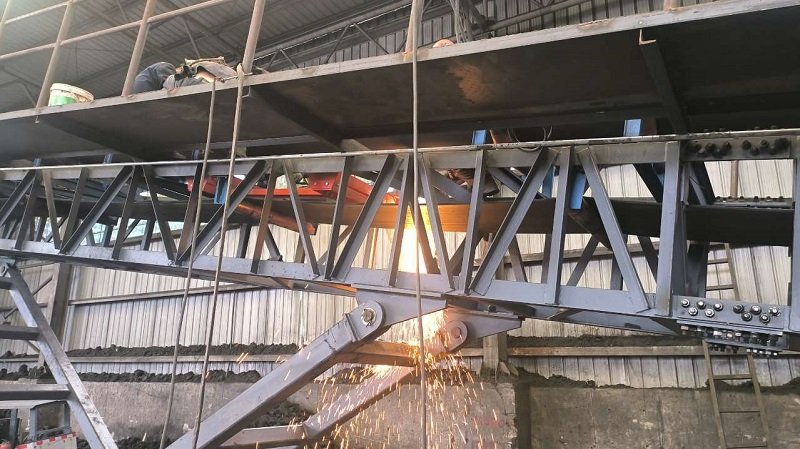
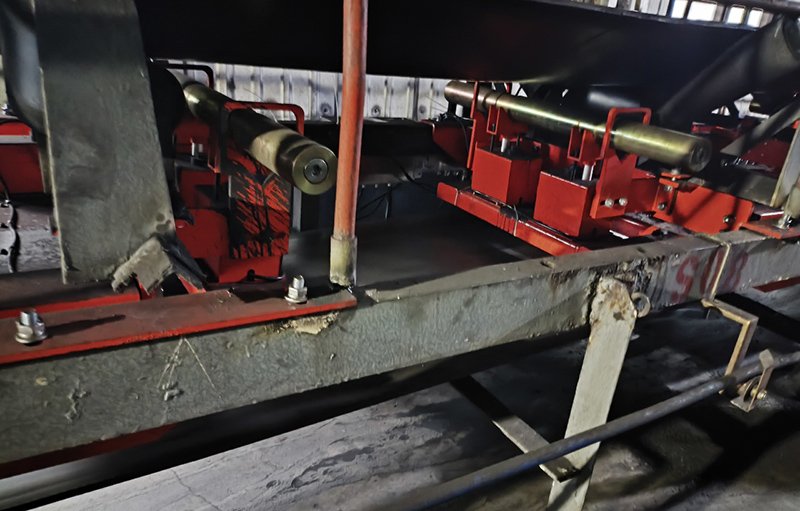
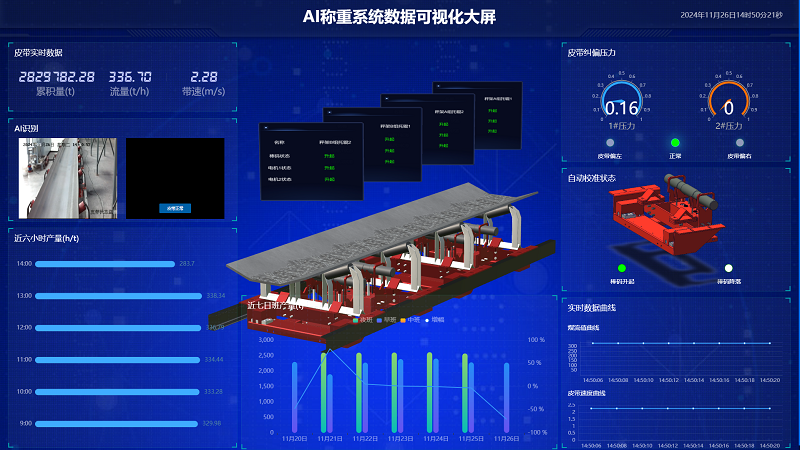
The measurement accuracy and stability of electronic belt scales during application not only depend on the quality and performance of the product itself, but also largely relate to equipment maintenance, operational standards, and troubleshooting. When using electronic belt scales, it is necessary to understand certain troubleshooting methods.
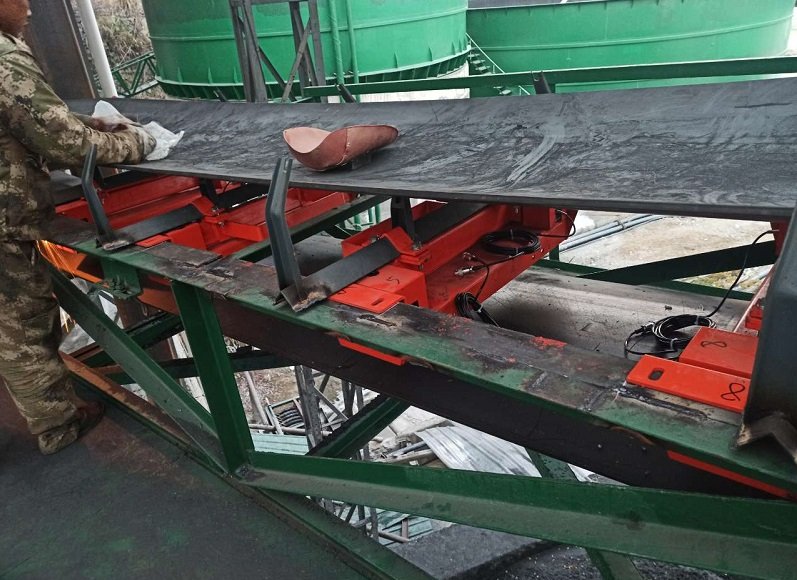
1. Zero drift fault
A change in zero point is generally related to the belt conveyor system, and the main reasons are:
(1) Accumulated material and dust on the weighing bridge;
(2) Large pieces of material are stuck in the weighing bridge;
(3) Material sticking to the conveyor belt;
(4) The conveyor belt is uneven, and metal clips are used at the belt joints;
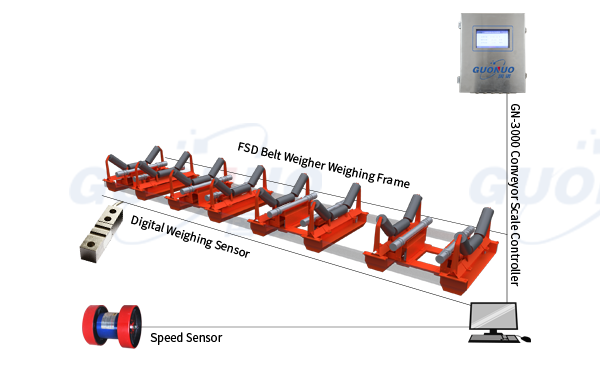
(5) If the fit between the belt and the roller has changed, the levelness and alignment of the scale frame should be checked;
(6) The belt tension has changed, and adjustments should be made;
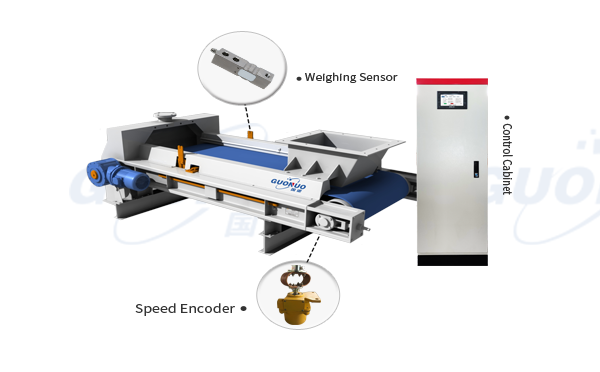
(7) The electronic measuring component has malfunctioned, such as severe overload of the weighing sensor, zero drift, and zero drift of the instrument amplifier.
2. Interval drift fault
Changes in interval calibration are generally related to variations in the system's measuring components and belt tension. The primary reasons for these variations are:
(1) The tension of the conveyor belt has changed and should be adjusted;
(2) The speed sensor roller is enlarged or slipping;
(3) The straightness of the idlers in the weighing area has changed;
(4) The weighing sensor experiences severe overload, leading to a deterioration in its linearity;
(5) Faults in electronic measuring components.
3. On-site wiring fault
(1) Check the corresponding internal wiring between components in the system, ensuring that all wiring complies with the provisions of the on-site wiring diagram;
(2) When there are issues such as loose connections, poor welding, poor contact, short circuits or open circuits, as well as failure to ground as required, it can lead to reading errors and instability in weighing readings;
(3) Check whether all shielded cable wiring complies with the wiring requirements, especially whether the shielded wires are connected at the specified locations.