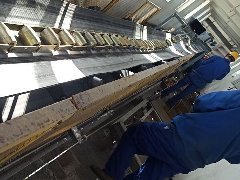
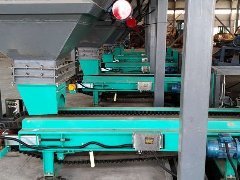
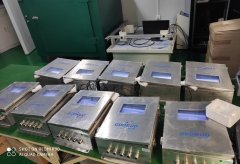
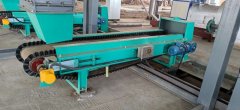
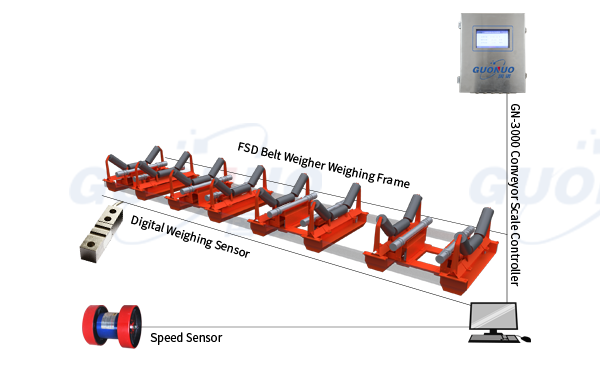
In modern industrial production, the precise conveyance, measurement, and feeding of materials are key links in ensuring the stability of the production process and the quality of products. As a mechatronic device that integrates feeding conveyance, weighing measurement, and quantitative control, the variable-speed quantitative feeding belt scale is widely used in various industrial sectors such as building materials, metallurgy, chemical engineering, electric power, and light industry.
Its application has significantly improved material measurement accuracy and production efficiency, reduced manual errors, and enabled precise control over material dosage, optimizing the automation of the production process.
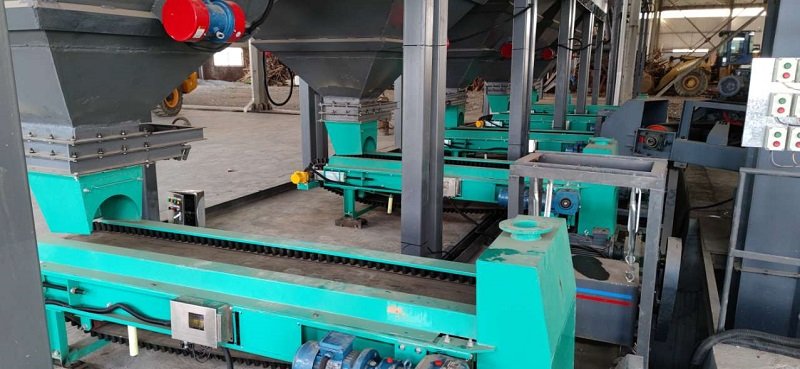
Core Functions of Variable-Speed Quantitative Feeding Belt Scales
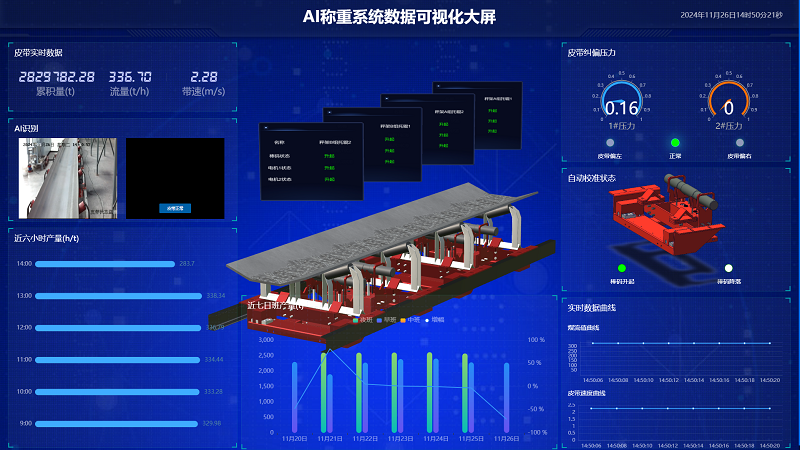
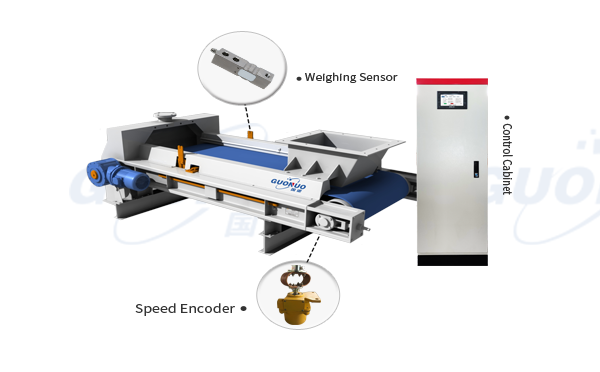
The primary function of a variable-speed quantitative feeding belt scale is to achieve dynamic weighing and flow control of materials. By integrating weighing sensors, a variable-speed drive unit, and an automated control system, it can continuously monitor the weight of materials on the belt and automatically adjust the belt speed based on preset parameters, thereby precisely controlling the instantaneous flow rate and cumulative conveyance volume of materials.
This process not only meets the stability requirements for material supply in continuous production but also significantly enhances blending accuracy, making it particularly suitable for processes with high-efficiency and stringent measurement requirements. Furthermore, its seamless integration with central control systems further promotes the automation and intelligent upgrading of production lines.
Key Performance Characteristics of Variable-Speed Quantitative Feeding Belt Scales
1. High-Precision Dynamic Measurement Control: Utilizing high-sensitivity digital weighing sensors and anti-interference algorithms, it enables real-time precise measurement of materials during continuous conveyance and controls the feeding amount based on system-set values, with an error rate significantly lower than traditional manual or mechanical feeding methods.
2. Wide-Range Speed Adjustment Capability: The drive system can flexibly adjust the belt speed according to production needs, accommodating a diverse range of operating conditions from low-flow dosing to large-scale conveyance.
3. Strong Environmental Adaptability: The equipment features a wear-resistant and dustproof design, enabling stable operation in harsh environments such as high temperatures, high humidity, and dusty conditions, while also possessing resistance to vibration and electromagnetic interference.
4. Intelligent Control Integration: Built-in PLC or DCS interfaces support remote monitoring and data feedback, enabling collaborative operation with other production equipment and forming a closed-loop control system.
5. Low Maintenance and Long Lifespan: Modular design simplifies daily maintenance procedures, and key components are made of high-strength materials, significantly extending the equipment's service life and reducing failure rates. Additionally, the intelligent control system's online monitoring and fault analysis, diagnosis, and early warning capabilities further reduce inspection and maintenance work while enhancing operational stability.
Applications of Variable-Speed Quantitative Feeding Belt Scales
Variable-speed quantitative feeding belt scales are widely used in industrial fields requiring precise control over material flow rates:
- Building Materials Industry: Used in cement raw material blending, aggregate proportioning, and other processes to ensure raw material ratios meet process standards and enhance the uniformity of concrete and sintered products.
- Chemical Production: In the continuous production of fertilizers, plastic pellets, and other products, it enables precise dosing of solid or granular materials, avoiding abnormal chemical reactions caused by imbalanced ratios.
- Metallurgical Processing: Used for the quantitative conveyance of raw materials such as coke and ore, ensuring stable feeding to blast furnaces or electric furnaces and optimizing energy utilization efficiency.
- Environmental Protection and Energy: Applied in fields such as waste-to-energy generation and biomass fuel preparation to achieve precise blending of waste and additives, improving energy conversion efficiency.
By deeply integrating mechanical transmission, dynamic measurement, and intelligent control technologies, variable-speed quantitative feeding belt scales effectively address the pain points of traditional feeding equipment, such as low precision, delayed adjustment, and high manual dependency. The continuous optimization of their performance and enhancement of industry adaptability not only promote fine-grained management and control of production processes but also provide reliable technical support for enterprises to achieve cost reduction, efficiency enhancement, and green production.