In the precise batching processes of modern industry, weighing screw feeders are predominantly utilized for the quantitative feeding of powder materials. Their consistent and stable operation is crucial for determining production quality and efficiency. A properly selected screw feeder can be a "hero" on the production line, while an improper choice may lead to persistent operational issues. A deep understanding of core technical considerations is key to achieving efficient, precise, and reliable batching.
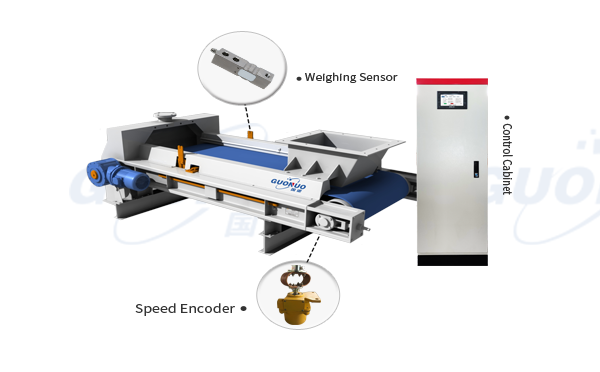
Weighing screw feeders are far from simple material pushing tools. They integrate three core functions: mechanical conveying, real-time weighing, and quantitative feeding:
- Conveying Executor: Rotating screw blades generate axial thrust to propel materials from the inlet to the outlet.
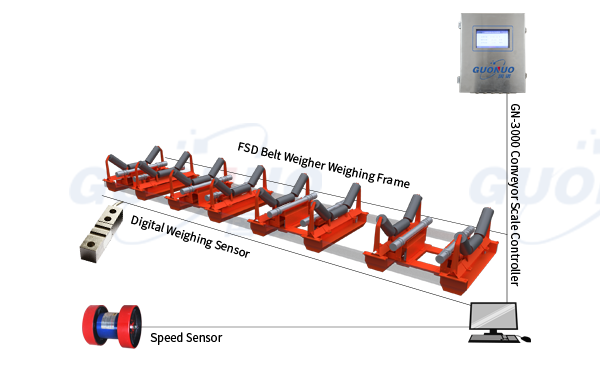
- Weight Sensor: Precision weighing sensors (strain gauge or digital type) integrated beneath the conveyor frame continuously sense the total weight of materials within the conveying section.
- Regulator: The control system (PLC or dedicated instrument) rapidly collects weight signals and, in conjunction with preset feeding rate targets, adjusts the rotational speed of the screw drive motor (controlled by a frequency converter) to achieve dynamic closed-loop precision control of material flow.
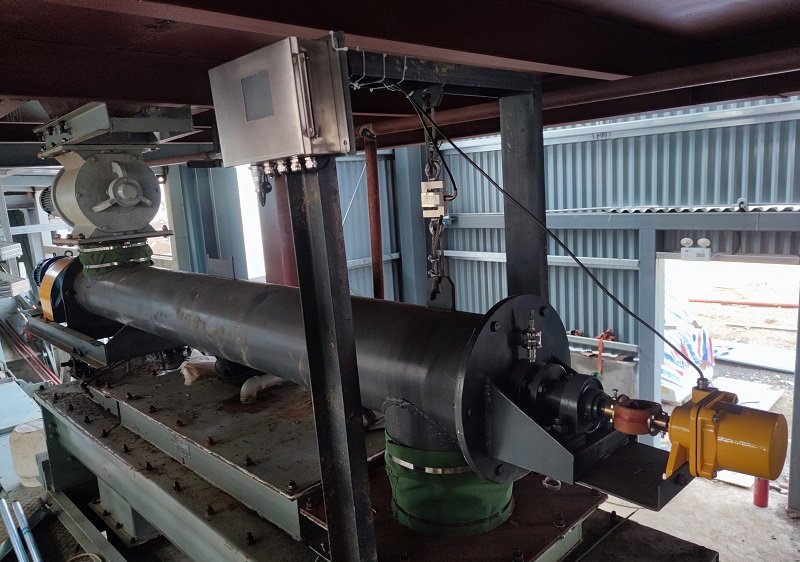
It is this precise coordination between measurement and execution that endows the screw feeder with true "precision" capabilities.
Key Technical Considerations for Avoiding Pitfalls in Selecting Weighing Screw Feeders
1. Material Characteristics: The Starting Point and Basis for Equipment Selection
- Physical Form: Powder, fine granules, small flakes, fibrous? Form determines flow characteristics and potential issues (e.g., powder prone to dusting, granules causing significant wear, fibers prone to tangling).
- Bulk Density & Flowability: Affects volumetric flow rate per unit time and is crucial for calculating theoretical conveying capacity. Materials with poor flowability (e.g., those prone to moisture absorption and caking, high viscosity) require special designs (arch-breaking devices, large openings, special blades).
- Abrasive & Corrosive Properties: Key factors determining equipment lifespan. Highly abrasive materials (e.g., mineral powder, quartz sand) necessitate wear-resistant blades and linings (e.g., sprayed tungsten carbide, ceramics); corrosive materials (acid-alkaline chemicals) require stainless steel or special coatings.
- Temperature, Humidity, Explosiveness: High-temperature materials require thermal insulation design; humidity affects flowability; explosive dust environments (flour, coal dust, metal powder) necessitate ATEX/IECEx-certified explosion-proof motors, controllers, and special structures (anti-static, limited surface temperature).
2. Accuracy Metrics: The Core Value Proposition
- Clear Requirements: Specify whether instantaneous flow rate accuracy (±0.5%) or batch cumulative accuracy (±0.25%) is required. Application scenarios dictate requirements.
- In-depth Analysis of Influencing Factors:
- System stability: Rigid weighing frame, sensor precision grade and anti-interference capability, mechanical vibration isolation.
- Control algorithm: Advanced adaptive PID algorithms outperform simple PID in handling material characteristic variations and external disturbances.
- Calibration and verification: Regular, standardized calibration is the lifeline for ensuring long-term accuracy. Convenient automatic/semi-automatic calibration functions enhance efficiency.
- Material characteristic fluctuations: Density variations and unstable flowability are major challenges, requiring robust control systems.
- Key Tip: Discussing "high precision" without considering specific materials and operating conditions is meaningless.
3. Conveying Capacity Requirements: Matching Capacity to Reality
- Define Range: Determine the required minimum and maximum flow rates (typically expressed in kg/h or t/h).
- Capacity Calculation: Manufacturers calculate theoretical conveying capacity based on material bulk density, filling factor, screw rotational speed, and screw diameter. Ensure the selected equipment's maximum capacity has a reasonable margin (e.g., 10-20%) but is not excessively large, as this can affect control accuracy at low flow rates.
- Speed Limitations: Excessively high rotational speeds may cause material fluidization (powders) or excessive crushing (granules), affecting accuracy and equipment lifespan. The frequency conversion speed regulation range must match the flow rate demand range.
4. Structural Design: The Foundation of Reliability
- Screw Types:
- Solid screws: Most versatile, suitable for dry powders and small granules.
- Blade screws: Suitable for materials requiring gentle handling or some mixing and stirring.
- Inlet Section Design: To avoid "rat holes" or "bridging," special designs are often required:
- Variable pitch (large pitch at the inlet).
- Twin screws (increase material pickup points).
- Vibrators/stirring arch breakers (force material discharge).
- Enlarged inlet.
- Sealing: Prevent dust escape (environmental and hygiene concerns) and external impurity ingress. High-quality seals are crucial at key points (end plates, inspection covers).
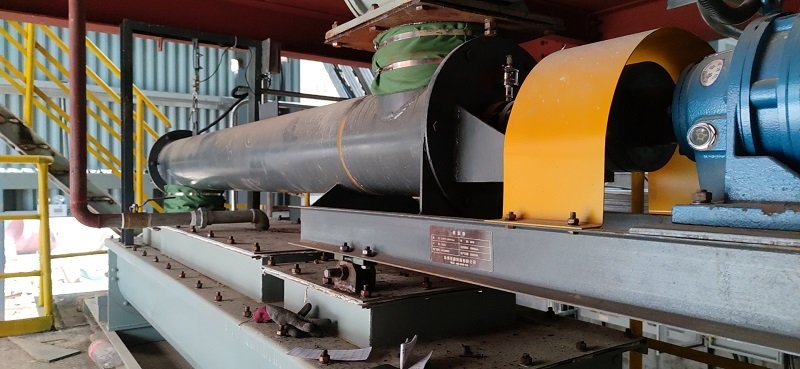
- Drive Unit: Motor power must match the load, and the gearbox must be reliable and durable. Frequency converters are essential for precise speed regulation.
5. Control System: The Core of Intelligence
- Hardware Selection: Dedicated weighing controllers offer high integration and targeted functionality; PLC systems provide excellent scalability and can integrate more process controls.
- Functional Requirements:
- Recipe management (multi-recipe storage and retrieval).
- Batch/continuous modes.
- Multiple control modes (PID, adaptive, batch weight reduction, etc.).
- Rich I/O interfaces (start/stop, fault, remote setting, interlocking).
- Data recording and communication (RS485, Ethernet, Profibus, Modbus TCP/IP, etc.).
- Clear human-machine interface (HMI).
- Calibration Convenience: Built-in calibration weight hangers or convenient external weight loading points are key to efficient maintenance.
6. Installation Environment and Maintenance: Facilitating Subsequent Use and Upkeep
- Space Constraints: Consider length, width, height, inlet/outlet positions, maintenance space, and sensor placement (avoid strong air currents and vibration sources).
- Support Platform: Must be sturdy and stable to avoid external interference with weighing. Independent installation brackets are preferable to shared steel platforms.
- Matching Interfaces: Ensure compatibility with silo outlet flanges, downstream equipment receiving heights, and electrical wiring convenience.
- Maintenance Convenience: Quick-open cleaning covers, extractable screw shaft designs, and easily replaceable wear parts significantly reduce maintenance costs and downtime. Accessibility to lubrication points is equally important.
Selecting a weighing screw feeder is a systematic endeavor that requires comprehensive consideration of multiple technical factors. By understanding and prioritizing material characteristics, feeding accuracy, feeding speed and capacity, drive methods, installation layout, control systems, and maintenance, you can choose the most suitable equipment for your needs.