Belt weigh feeders are widely used in chemical, building materials, metallurgy, food processing and other industries where precise flow control of solid bulk materials is required.
They perfectly integrate continuous conveying and dynamic weighing technologies to realize synchronous and accurate material conveying and metering. To master its working principle, it is essential to analyze its core components and their key functions in detail.
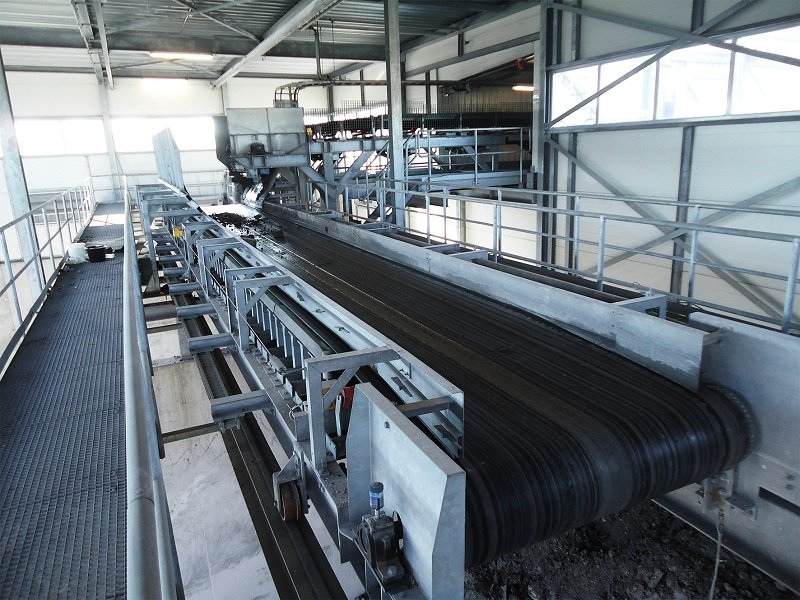
1. Conveyor Belt Assembly – Carrier and Conveying Channel for Materials
Composition
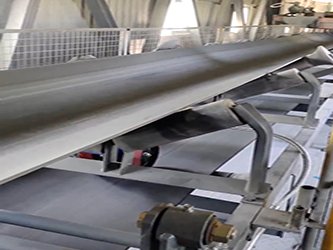
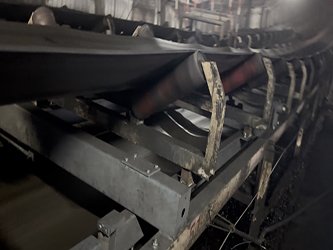
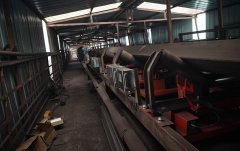
It is mainly composed of endless conveyor belts (generally rubber belts, available with side guards or skirts as required), head drive rollers, tail tension rollers or tensioning devices, flat or trough carrying idlers, return idlers and belt cleaners.
Function
Serving as the conveying medium of the equipment, it carries materials and runs continuously driven by the driving unit, steadily and smoothly transporting materials from the feeding inlet to the discharging outlet. Carrying idlers support the weight of the belt and materials, while return idlers support the empty belt.
Cleaners remove residual materials adhering to the belt surface. The tensioning device maintains constant belt tension to ensure stable transmission and reliable weighing reference.
2. Weighing Frame – Core Framework of the Weighing System
Composition
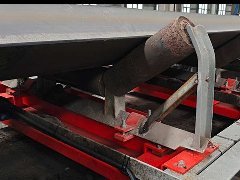
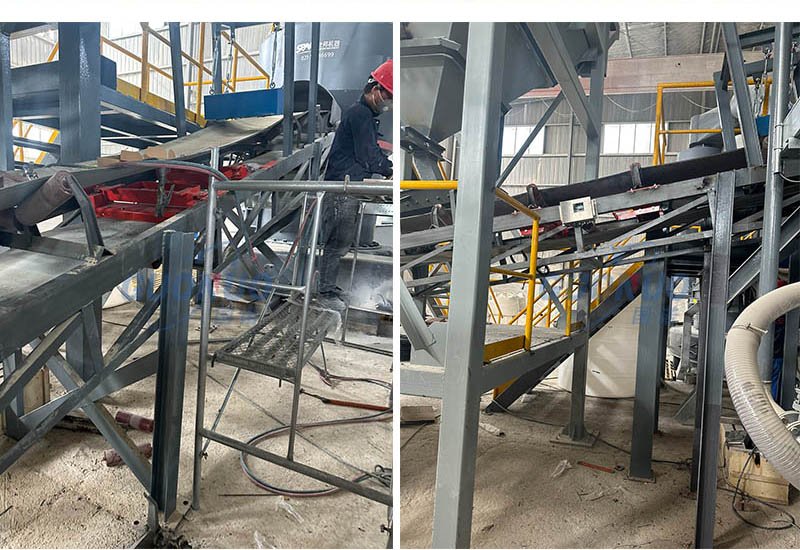
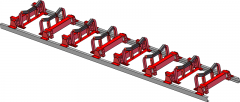
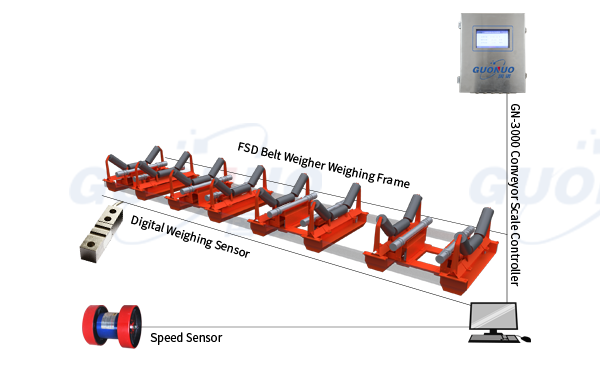
It is a sturdy, low-deflection and torsion-resistant rigid frame installed between carrying idlers, usually replacing one or more sets of idlers. Weighing idlers are mounted on it to support the belt and materials passing through the weighing section.
Function
Acting as the weighing platform, it steadily and accurately transmits the weight of materials within the effective weighing section on the belt to the weighing sensors. Its structural precision and rigidity directly determine the overall metering accuracy and operational stability of the whole system.
3. Weighing Sensor – Accurate Collector of Weight Data
Composition
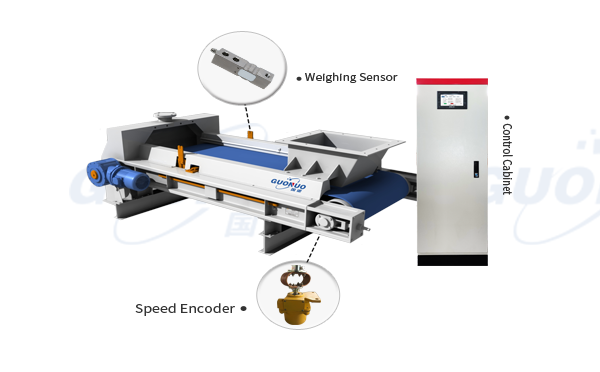
High-precision strain-type sensors, mostly compression-type or tension-type, are installed under the weighing frame or at connecting positions, converting mechanical weight force into proportional tiny electrical signals.
Function
It senses and accurately measures the material load per unit length transmitted by the weighing frame in real time, and converts weight data into identifiable electrical signals for the controller. Its accuracy and stability lay the foundation for the overall metering performance of the equipment.
4. Speed Sensor – Speed Detector for Material Flow
Composition
Rotational speed sensors, including proximity switch type and encoder type.
Function
It works like a speedometer to continuously monitor the linear running speed of the conveyor belt in real time. Speed signals together with load signals from weighing sensors are two core parameters for calculating material flow rate.Calculation formula: Flow Rate = Load per Unit Length × Running Speed
5. Weighing Controller (Integrator) – Data Processing and Control Core
Composition
Core electronic computing unit equipped with display screen and operation buttons.
Function
It is the command center of the entire system, with the main functions as follows:
• Data Collection: Receive and process weight signals from weighing sensors and speed signals from speed sensors.
• Flow Calculation: Calculate real-time instantaneous flow (ton per hour) and cumulative total weight in real time.
• Display & Output: Show flow rate, cumulative weight, running speed and load data; output standard analog signals (4-20mA, 0-10V) and digital signals (RS232/485, Profibus, Ethernet etc.) to upper computers such as DCS and PLC.
• Automatic Regulation: Compare actual flow value with preset target flow value, and output adjustment signals to driving units via PID algorithm to adjust belt speed and feeding volume, so that the actual flow can precisely match the set value.
6. Driving Device – Power Source and Speed Regulation Executor
Composition
Mainly consisting of AC/DC motors, hard-tooth surface reducers and frequency converters or other speed regulators, which drive the operation of head rollers.
Function
It provides operating power for the conveyor belt. The frequency converter receives control signals from the weighing controller to accurately adjust motor speed, change belt running speed and finally regulate material feeding flow. It is the key execution unit to realize closed-loop quantitative feeding control.
7. Main Frame and Auxiliary Devices – System Support & Operational Guarantee
Composition
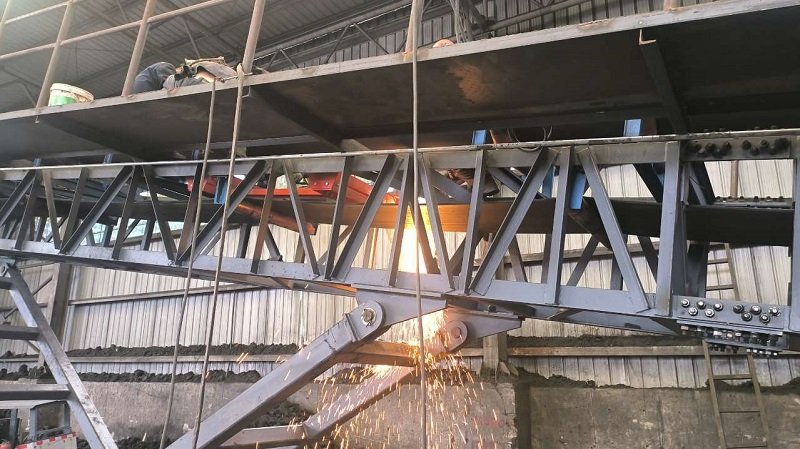
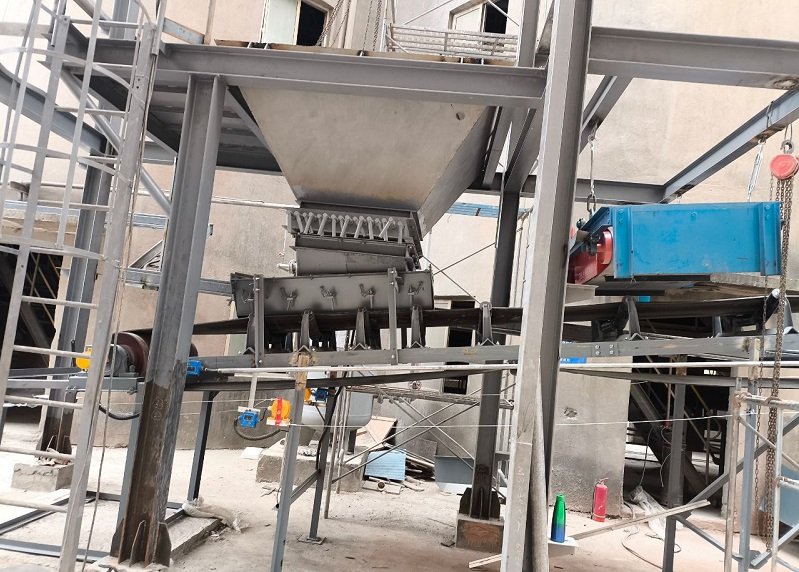
Integral steel frame structure, feeding hopper with gate or pre-feeding devices such as vibrating feeders, discharge hoods, protective covers and electrical control cabinets for installing frequency converters and control elements.
Function
• Main frame: Fix all components and ensure overall equipment rigidity and stability.
• Feeding hopper: Store materials and guide materials to fall evenly onto the belt to reduce impact and guarantee metering accuracy.
• Gate & pre-feeding device: Adjust initial material layer thickness and feeding flow range.
• Protective cover: Shield internal components, prevent dust and material overflow and ensure safe operation.
• Electrical control cabinet: Concentratively place and protect electrical components for easy operation and daily maintenance.
Summary
The belt weigh feeder is a high-precision mechatronic equipment composed of conveying system, precision weighing system, speed detection unit, intelligent control system and power drive system.
All components cooperate closely to complete continuous material conveying, dynamic online weighing, flow calculation and automatic closed-loop flow regulation.
It has become an indispensable core equipment for precise batching and quantitative feeding in modern industrial production.