In the field of mining extraction and transportation, the loading operation serves as a crucial link connecting extraction and transportation. Its efficiency and safety directly influence the smooth operation of the entire production chain and the economic benefits of mining companies.
However, traditional mining loading operations face multiple challenges, including low efficiency, complex operational procedures, significant safety hazards, high operational costs, and opaque data. To enhance production efficiency, ensure safety, reduce labor costs, and improve environmental protection, the unmanned intelligent loading system has emerged as a significant technological innovation in mining operations.
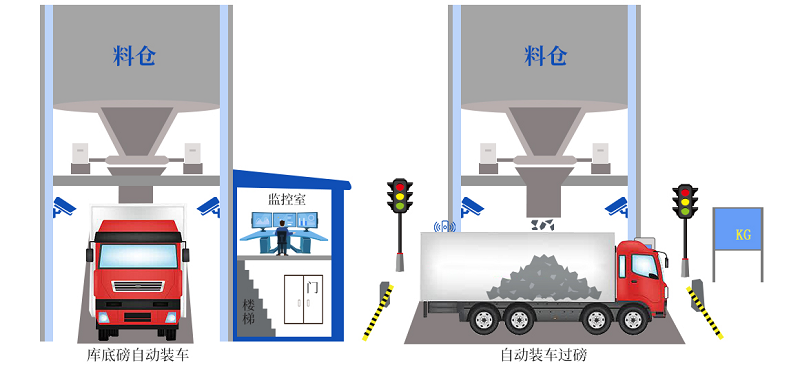
So, what makes the unmanned intelligent loading system so remarkable?
1. Automatic Operation, Liberating Manpower
Traditional mining loading operations typically require a substantial amount of manual labor to complete the loading, transportation, and unloading of ores. Workers must monitor the operation of mechanical equipment and constantly address issues such as ore accumulation and transportation blockages. Prolonged high-intensity labor not only increases the burden on operators but also raises labor costs.
The intelligent loading system, through automated control technology, enables ore loading operations to proceed without human intervention. By utilizing artificial intelligence algorithms, sensors, automatic control equipment, and intelligent scheduling systems, the entire ore loading process is completed automatically. This reduces reliance on manual labor, significantly enhances operational efficiency, and minimizes errors and safety hazards caused by human factors.
2. Precise Control, Enhancing Loading Accuracy and Efficiency
Under traditional manual operation, loading processes often suffer from uneven ore loading and disorganized stacking due to human judgment errors or improper operation, resulting in overloading or underloading.
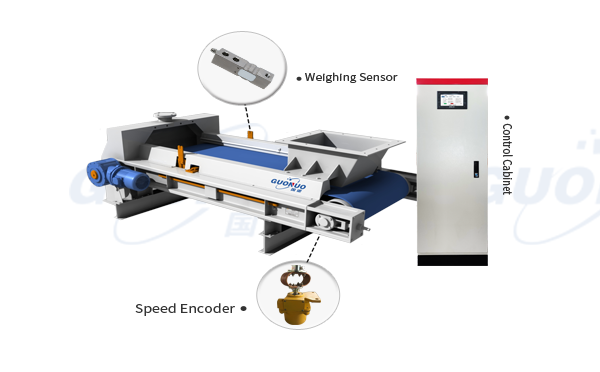
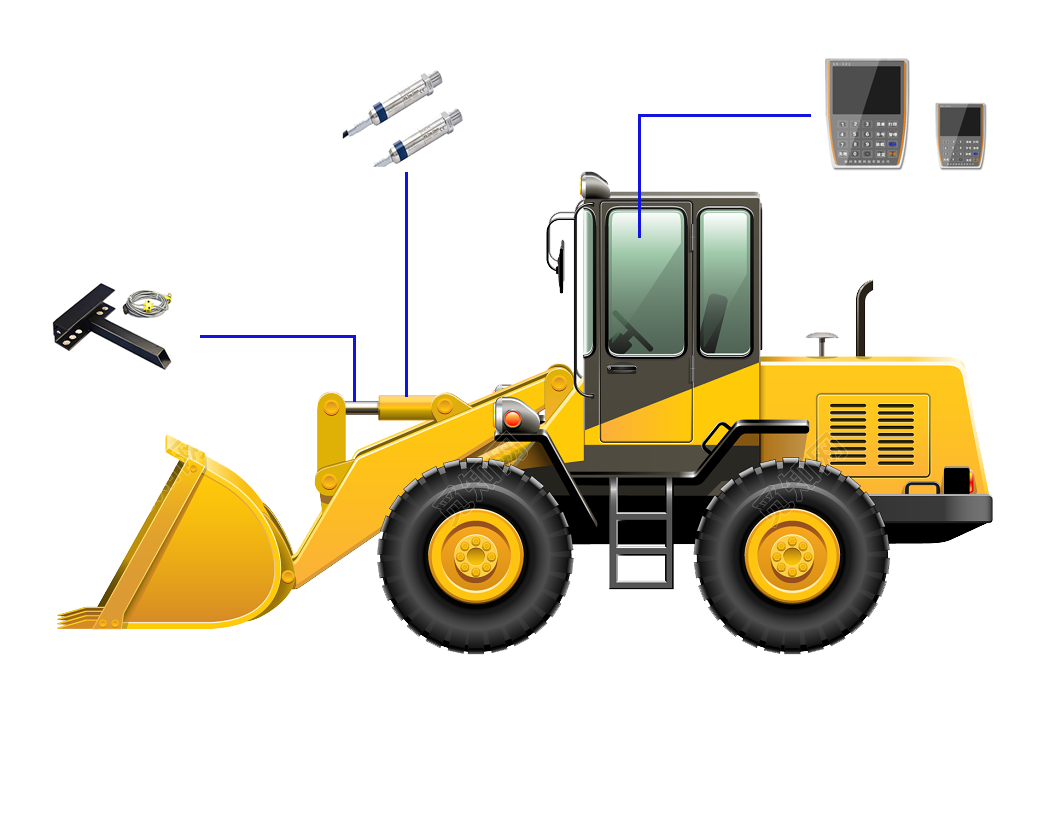
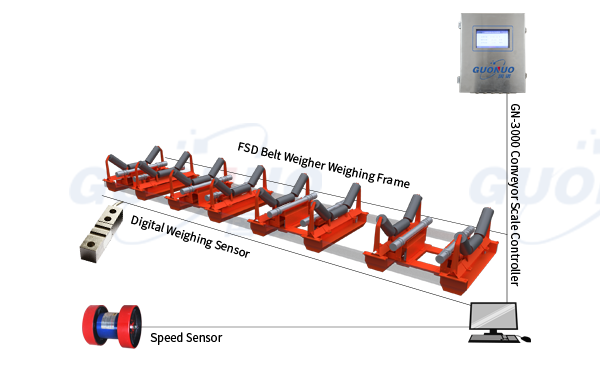
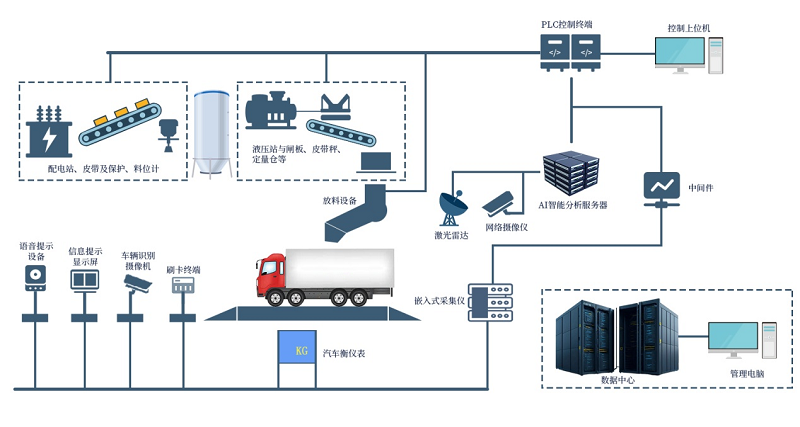
This affects subsequent transportation and processing efficiency.The intelligent loading system employs precise sensors, measuring instruments, and data processing systems, along with intelligent automatic identification of vehicle types, license plate numbers, and vehicle dimensions, to accurately control the loading volume for each trip according to demand.
This avoids overloading or underloading situations, enhancing transportation efficiency and optimizing resource utilization. The efficiency of the intelligent loading system is unparalleled compared to traditional loading methods, completing more tasks in a shorter time and saving time costs for mining operations.
3. Significantly Improved Safety, Reducing Accident Risks
In mining loading operations, workers face multiple risks such as working at heights, operating mechanical equipment, and exposure to high levels of dust. The intelligent loading system effectively avoids direct worker operations in hazardous areas, greatly enhancing operational safety.
Through automated control and remote monitoring, the system can conduct real-time monitoring around the clock. It intelligently detects and judges equipment abnormalities, automatically issuing alarms and taking emergency measures to ensure operational safety. Additionally, the system's faster response time enables rapid adjustments in sudden situations, preventing equipment damage or personnel injuries.
4. Remote Monitoring and Data Analysis, Elevating Supervisory Standards
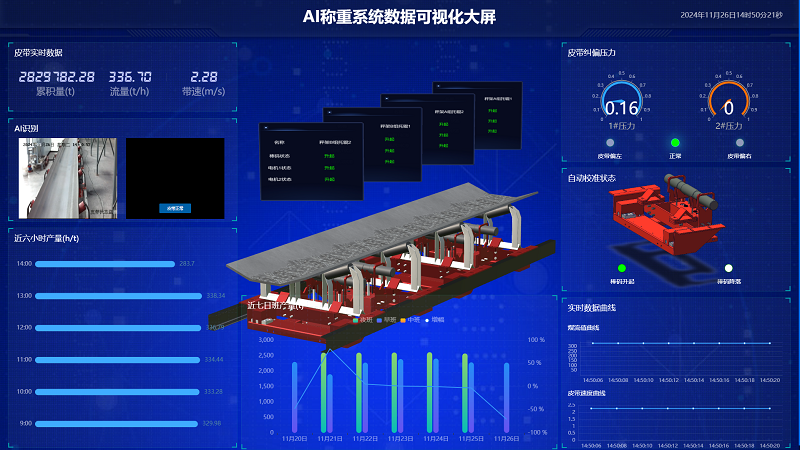
Through wireless networks and cloud platforms, mining management personnel can monitor the progress of loading operations in real-time from anywhere and optimize production processes through data analysis.
The system collects and analyzes data on various aspects such as loading operation duration, equipment operational status, on-site videos, and alarms, helping managers identify bottleneck links in the operation process.
This enables targeted and goal-oriented management optimization. Whether for production scheduling or equipment maintenance, the intelligent loading system provides real-time feedback, enhancing the management efficiency of mining operations.
This data-driven management approach not only enhances the scientific nature of decision-making but also enables remote fault diagnosis, reducing equipment downtime and improving the overall operational efficiency of the mine.
The performance and advantages demonstrated by the unmanned intelligent loading system in mining operations are unparalleled compared to previous loading methods. It not only improves loading efficiency and accuracy, reduces labor costs and safety hazards but also provides valuable data support for enterprise management, strongly supporting subsequent decision optimization and continuous improvement of loading operation processes.