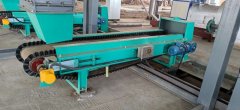
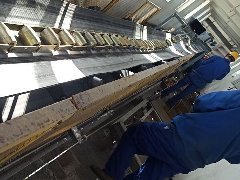
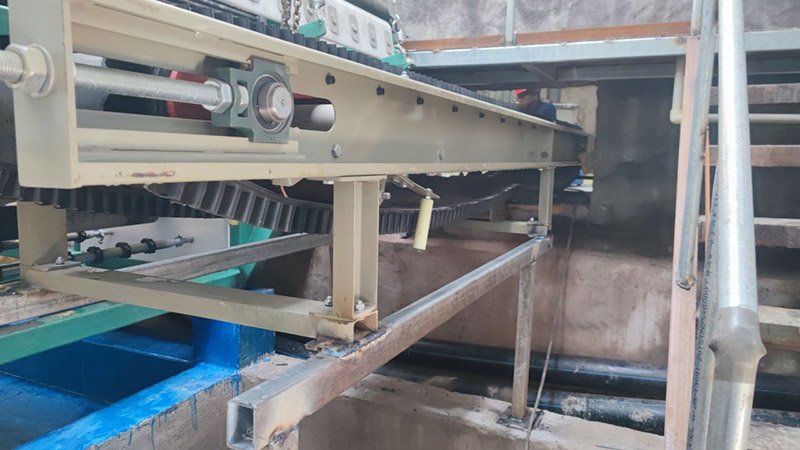
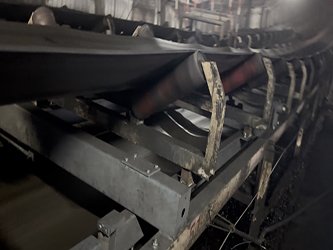
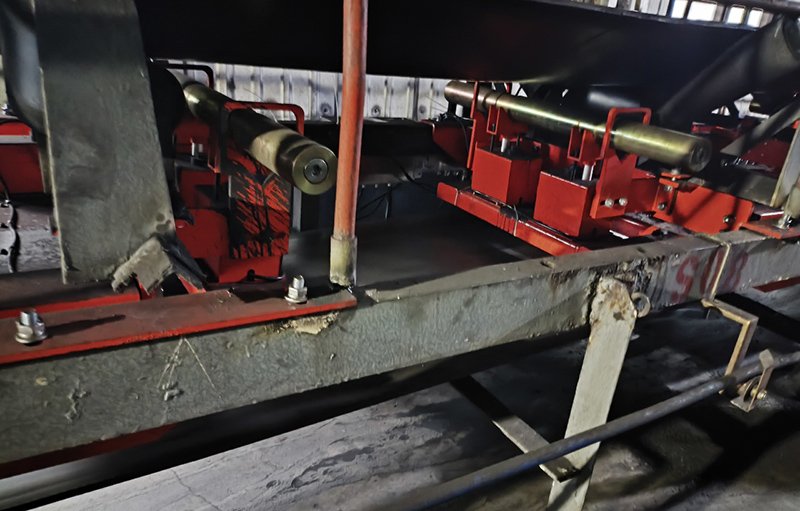
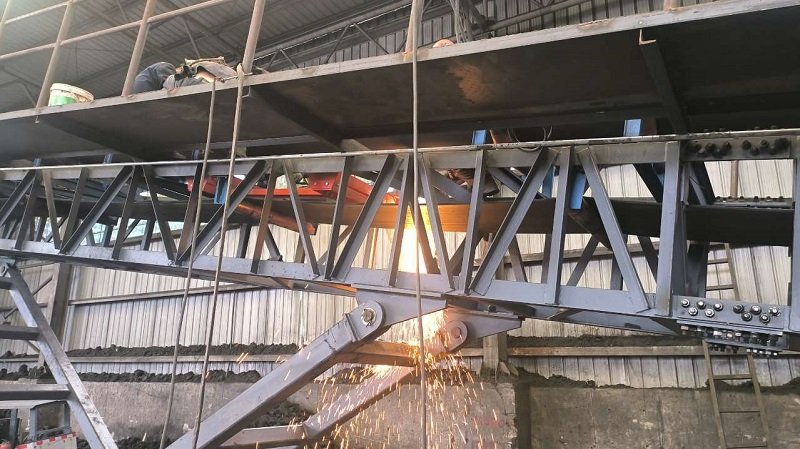
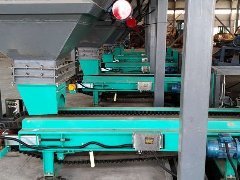
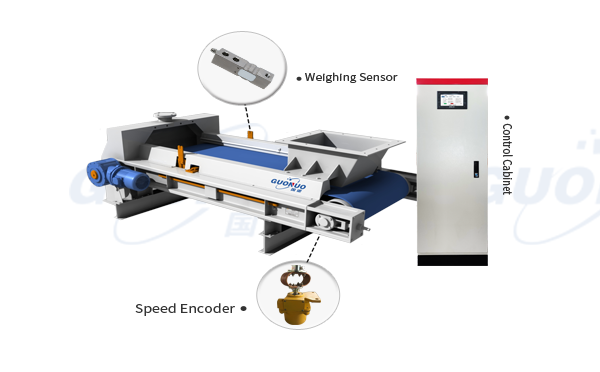
Quantitative belt scale is a comprehensive equipment that combines short distance belt conveyor and belt scale, integrating material transportation, weighing, and quantitative control. It is used for material transportation and flow monitoring and control in production.
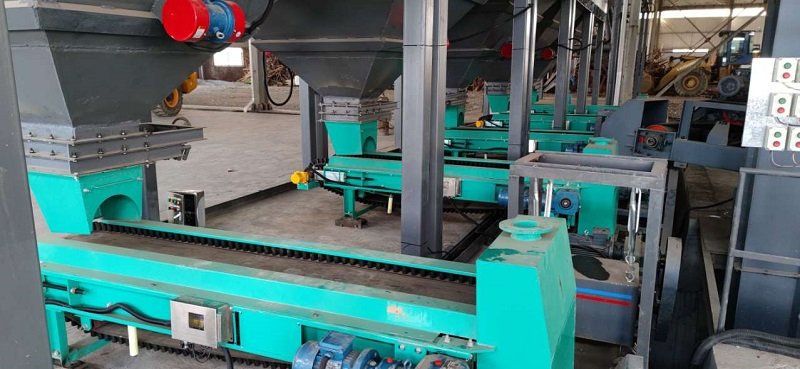
Generally speaking, a quantitative belt scale has the following functions:
(1) Material conveying: The quantitative belt scale is an independent and comprehensive equipment that can transport materials from one location to another, but this distance is generally short, and a dozen meters is already considered a long situation.
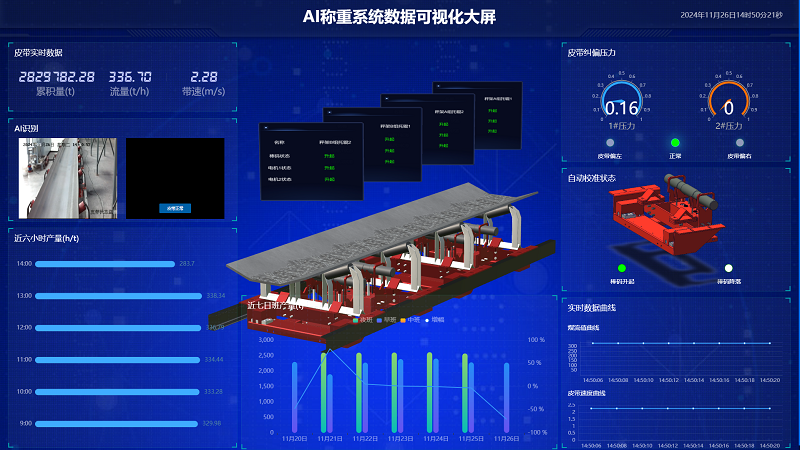
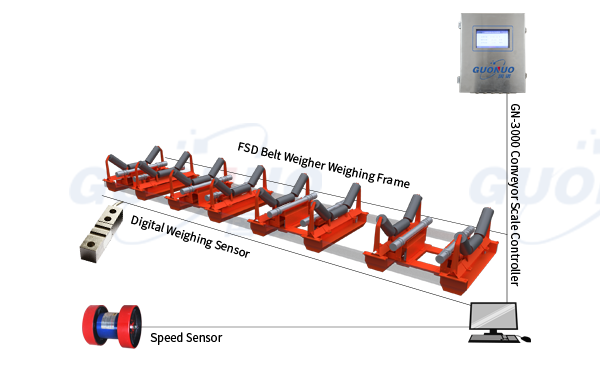
(2) Dynamic weighing: This function, like a belt scale, performs dynamic weighing during the conveying process to detect the instantaneous and cumulative flow rates of the material flow.
(3) Quantitative control: It can control the material flow output through the quantitative belt scale according to the predetermined flow value, or accept external set flow values to control the material flow output through the quantitative belt scale.
Through the function of the belt scale, it can be seen that it can be applied to any situation that requires quantitative control of material flow:
(1) Quantitative feeding
Quantitative feeding is carried out with a pre-set weight flow rate, usually operated independently by a quantitative belt scale.
(2) Production ingredients
Multiple quantitative belt scales form a batching system, and the material flow conveyed by each quantitative belt scale is controlled according to the actual process, mainly divided into constant flow batching and constant ratio variable flow batching.
Constant flow batching: Control the constant batching of multiple materials conveyed by multiple quantitative belt scales to form a constant mixed batching flow, which is widely used in the production batching process of industries such as cement.
Constant proportioning and variable flow rate batching: Multiple quantitative belt scales form a batching system to control the mixing and batching of various materials conveyed by multiple quantitative belt scales. One of the main materials is not quantitatively controlled by the quantitative belt scale, but it dynamically changes with process changes. Other quantitative belt scales dynamically adjust the flow rate of other materials based on the changes in this main material, and the mixing and batching process changes dynamically accordingly.