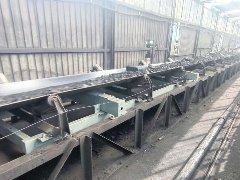
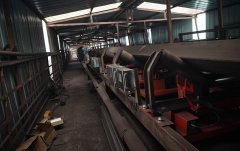
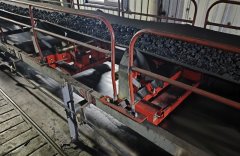
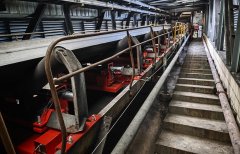
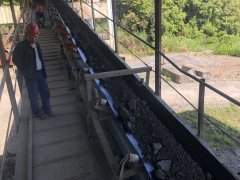
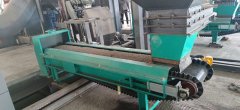
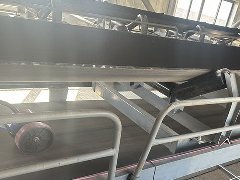
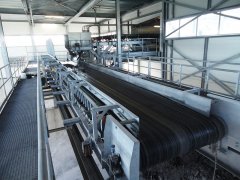
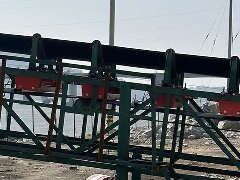
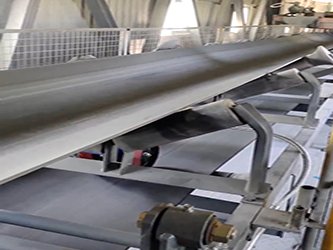
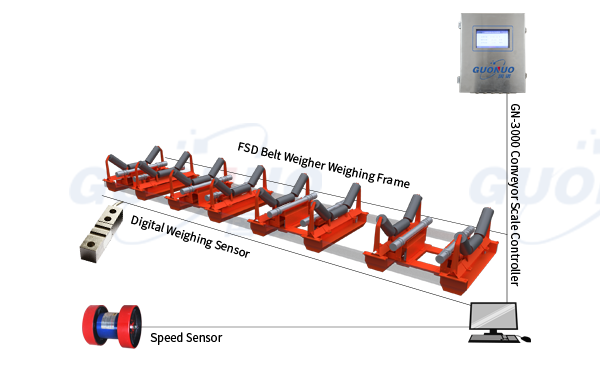
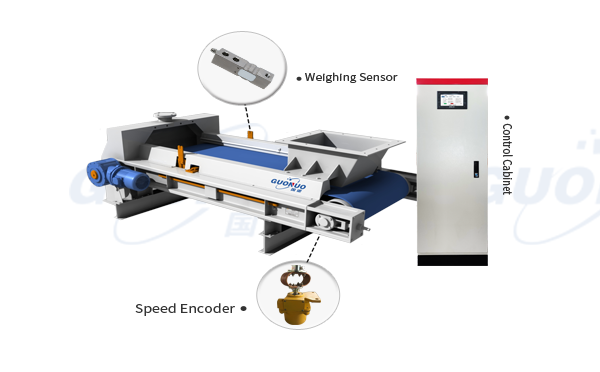
In coal mines, non-metallic mines, metal mines and other mining enterprises, mining electronic belt scales undertake core tasks of material weighing and metering on production lines, and exert critical impacts on corporate economic benefits covering production efficiency, production monitoring and sales accounting.
Nevertheless, mining operations generally run non-stop around the clock, requiring belt scales to operate continuously for extended periods, which places stringent requirements on equipment performance stability and service life.
Apart from inherent product performance and quality, standardized maintenance is indispensable to guarantee stable operation and prolong the service life of mining belt scales, especially those running persistently. Practical and effective maintenance routines are therefore required for long-running mining electronic belt scales.
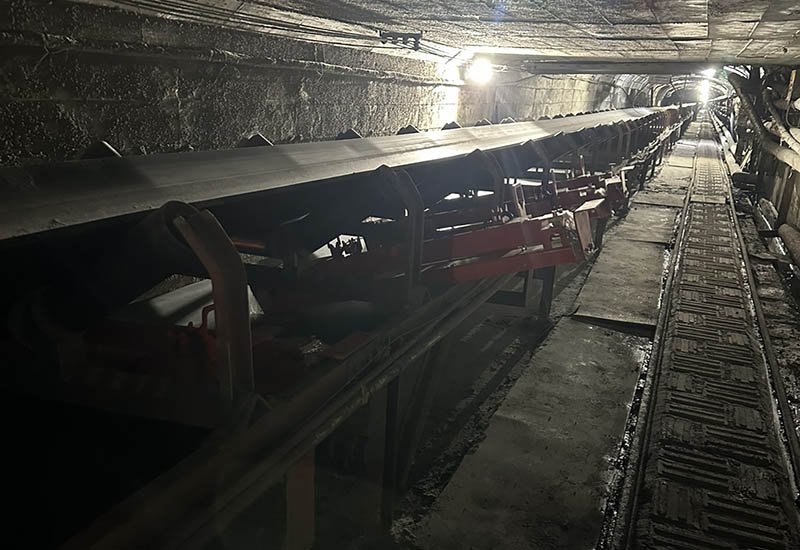
Listed below are effective maintenance measures for long-service mining electronic belt scales:
1. Routine Daily Maintenance
● Regular cleaning: Upon daily shutdown, remove dust and debris accumulated on the scale frame, load cells and weighing idlers; clear jammed bulk materials and foreign objects trapped between idlers and scale frame to prevent weighing inaccuracy and abnormal operation.
● Belt inspection: Check daily for belt abrasion, cracks and improper tension; adjust belt tensioners in a timely manner to maintain smooth belt travel and avert belt deviation or slippage.
● Component lubrication: Lubricate rotating parts and bearings periodically in strict accordance with the equipment manual to reduce frictional wear and extend component service life.
● Fastener inspection: Regularly check connectors between the scale and conveyor as well as between load cells and scale frame for looseness or deformation; tighten or replace defective fittings promptly.
2. Periodic Scheduled Maintenance
● Calibration: Conduct periodic calibration complying with relevant specifications and actual service conditions. Confirm the scale is under stable condition prior to calibration and follow standardized operating procedures to sustain long-term qualified metering precision. Notably, high-precision belt scales equipped with automatic on-line calibration function eliminate the need for downtime-based manual calibration.
● Load cell inspection: Perform monthly visual inspection of load cells for exterior damage or deformation; repair or replace faulty units immediately and complete zero-point trimming and span calibration accordingly.
● Electrical system inspection: Complete quarterly inspections on wiring connections, electrical components and earthing systems to verify secure connections; remove accumulated dust to ensure stable performance of the electrical system.
● Weighing idler inspection & replacement: Carry out comprehensive semi-annual inspection on weighing idlers; replace heavily worn idlers to ensure full contact between belt and idlers for improved weighing accuracy. Belt scales with replaced idlers can only be put back into service after re-calibration and qualification confirmation.
● Annual comprehensive overhaul: Implement a full-scale annual inspection and maintenance covering scale frame structure, mechanical assemblies and electrical systems; troubleshoot found defects to keep equipment intact and reliably operational.
3. Emergency Maintenance under Special Conditions
● Adverse weather protection: After operation in heavy rain, strong wind or other severe weather conditions, implement targeted protection for scale body and electrical systems against dampness and physical damage.
● Fault troubleshooting: Shut down equipment immediately once faults occur and identify root causes based on fault prompts. Repair or replace damaged parts as required, followed by trial run and post-repair calibration; resume formal operation only after verified normal performance.
Proper implementation of the above maintenance strategies effectively stabilizes operational performance, extends service lifespan, cuts equipment failure rates and optimizes metering precision for continuously operated mining electronic belt scales, supporting uninterrupted production of mining enterprises.