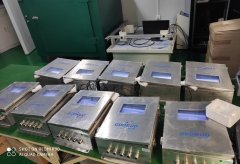
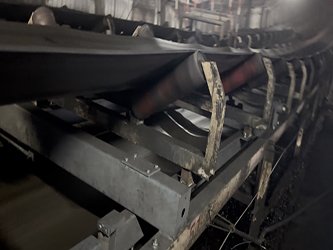
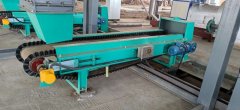
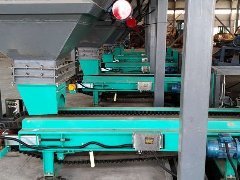
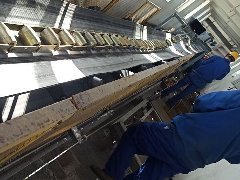
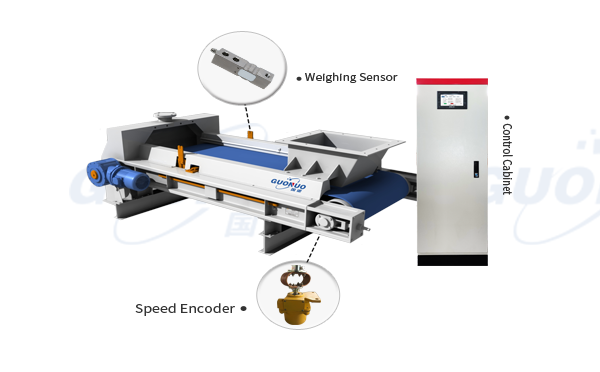
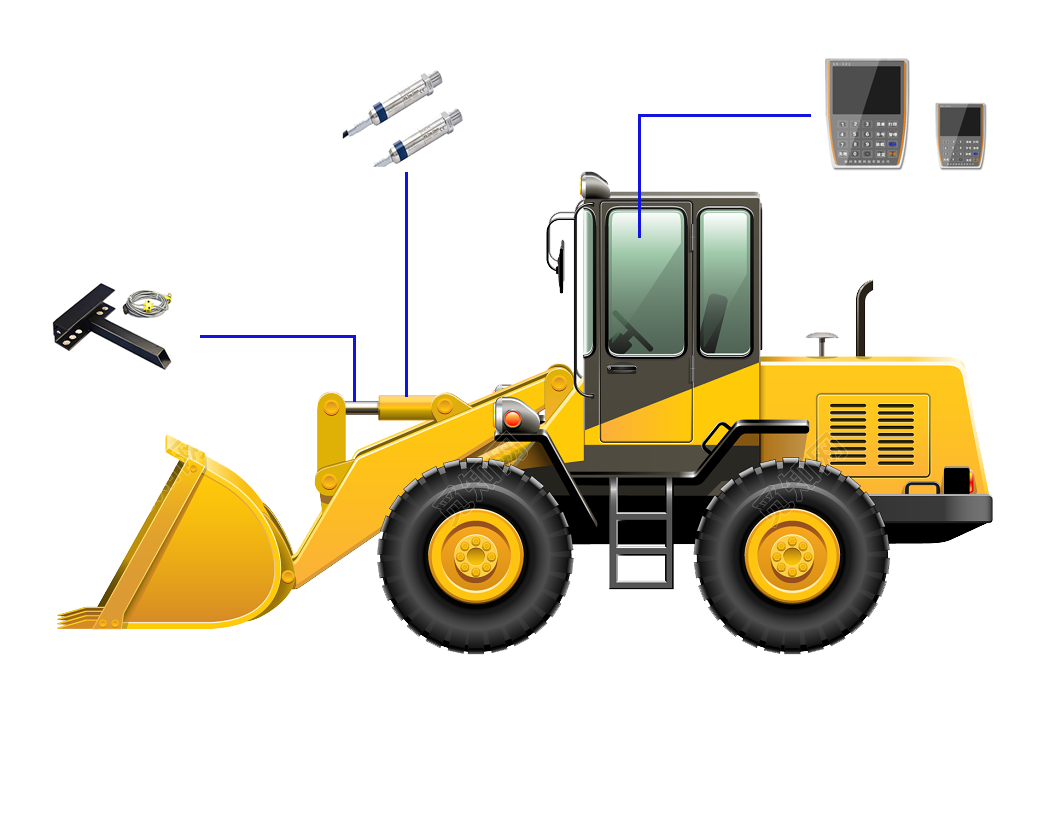
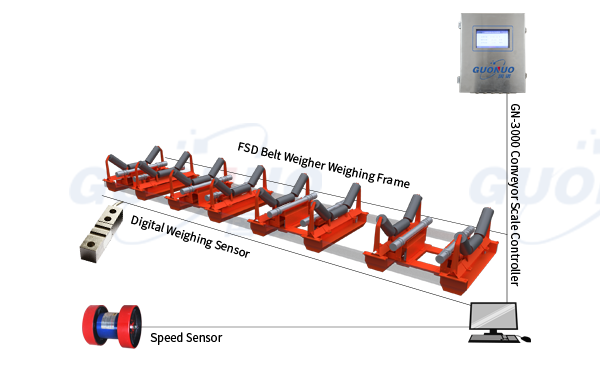
In the context of rapid industrial automation, intelligence development, and scientific progress, electronic belt scales, as crucial equipment for automatic weighing of bulk materials, are gradually integrating with multiple new technologies to enhance their performance and expand application areas, while also promoting advancements in enterprise production and management methods.
In the rapidly evolving field of industrial automation, electronic belt scales are no longer limited to traditional weighing functions. By integrating with various new technologies, they have achieved intelligent, efficient, and precise upgrades. The measurement accuracy and stability of electronic belt scales have significantly improved with the support of new technologies, which have also introduced new features such as remote monitoring, fault warning, and data visualization analysis.
1. Digital Processing Technology
The application of digital processing technology has notably enhanced the measurement performance of electronic belt scales. Through sensor signal digitization and dynamic compensation algorithms, the system can collect and process raw data from the belt scale in real time, eliminating environmental noise and interference to ensure data accuracy and reliability. This technology enables the belt scale to maintain high precision and stability even under complex and changing working conditions and environments.
2. Big Data Technology
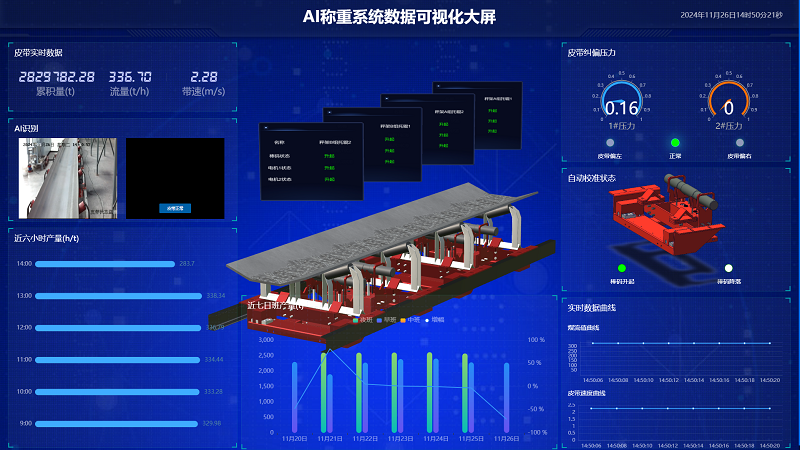
The data processing and analysis capabilities of electronic belt scales have been greatly enhanced with big data technology. The system can collect, process, and analyze belt scale data in real time, presenting information about the entire management system, including measurement results, operational status, and abnormal alarms, through data visualization displays. These data provide enterprises with more efficient and convenient management tools.
3. Artificial Intelligence Technology
The integration of artificial intelligence technology has brought intelligent upgrades to electronic belt scales.
AI measurement management systems utilize deep learning and machine vision technologies to perceive and analyze material flow, distribution, and belt operation status on the belt scale in real time, automatically adjusting measurement parameters to improve weighing accuracy and stability.
Additionally, AI technology enables functions such as automatic calibration and correction, fault warning, and remote monitoring, significantly reducing the frequency and cost of manual intervention.
4. Internet of Things (IoT) Technology
IoT technology enables electronic belt scales to interconnect and exchange data with other devices and systems. By installing sensors and communication modules on the belt scale, IoT technology can collect real-time work status and production data from the belt scale and transmit this information to the cloud or enterprise management systems.
This data sharing and real-time transmission capability provides production managers with a comprehensive monitoring perspective, allowing them to monitor the operational status, production data, and equipment conditions of the belt scale in real time via mobile phones or computers, whether on the production site or in a remote office, enabling more precise production scheduling and equipment maintenance.
5. Computer Management Technology
The application of computer management technology in electronic belt scales is primarily reflected in data management and analysis. Through computer control systems, electronic belt scales can achieve more efficient data collection, storage, and processing.
Computer technology not only helps managers monitor key parameters such as material flow, speed, and weight in real time for more targeted production optimization and adjustments but also supports remote management and monitoring of production data, enabling enterprise managers to achieve fine management of the entire production process through computer platforms.
6. Automation Control Technology
Based on artificial intelligence and data analysis, electronic belt scales can utilize automation control technology to control automatic calibration devices and belt deviation correction devices. Additionally, integrating belt scales with PLC control technology can create systematic automation control solutions, such as achieving automatic quantitative batching.
In summary, the integration of electronic belt scales with digital processing technology, big data technology, artificial intelligence technology, IoT technology, computer management technology, and automation control technology enhances their measurement performance and expands their application scope. These new technologies not only improve the measurement accuracy and stability of belt scales but also introduce new features such as remote monitoring, fault warning, and data visualization analysis.