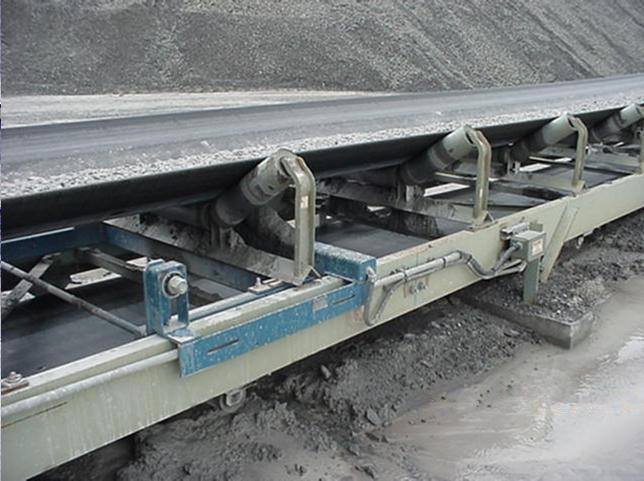
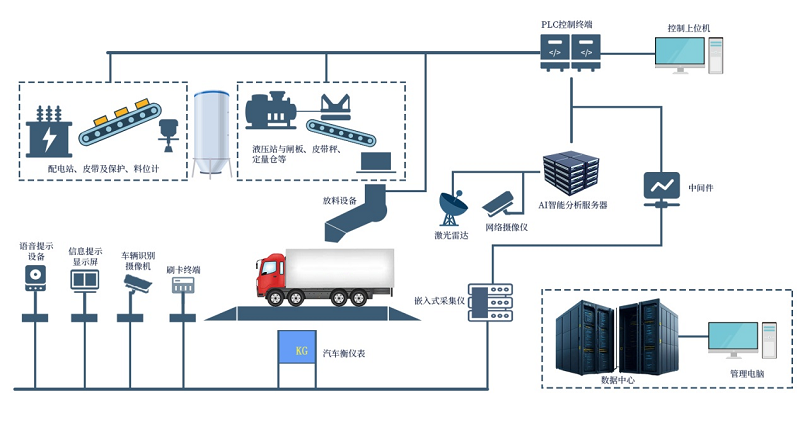
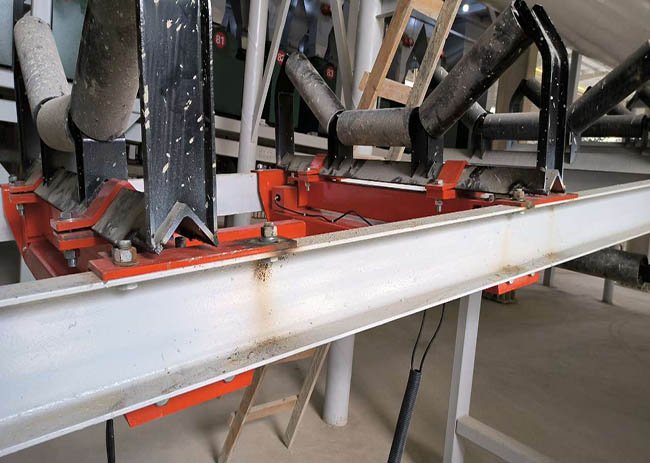
In numerous industrial sectors such as fine chemicals, water treatment, and metallurgy, the precise measurement and dispensing of salt compound raw materials are crucial for ensuring stable product quality and optimizing process flow. Traditional feeding methods often encounter issues such as insufficient accuracy, low efficiency, and high material loss, which inadvertently increase production costs. The metric screw feeder, with its unique design and exceptional performance, is emerging as a key industrial equipment solution to address these challenges.
The core advantages of the metric screw feeder lie in its sophisticated mechanical structure and precise control system. Given the characteristics of salt compounds, such as uneven flowability, susceptibility to moisture absorption and caking, and potential mild corrosiveness, the equipment employs a specially designed wear-resistant and corrosion-resistant screw structure.
The dual-screw or variable-pitch design effectively promotes uniform material flow and prevents bridging; precise gap control ensures smooth and pulse-free conveyance even at minimal flow rates. Coupled with a dead-space-free sealing structure, it not only prevents the escape of salt compound dust, thereby protecting the environment, but also eliminates the risk of material moisture absorption and caking caused by external humidity intrusion, ensuring long-term operational reliability.
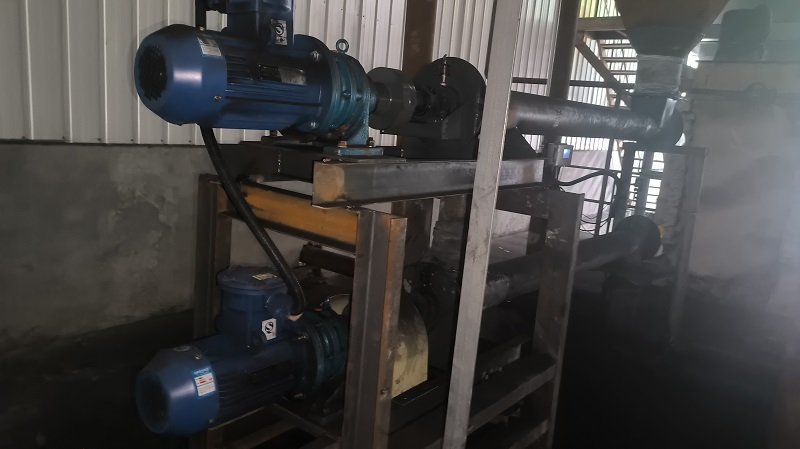
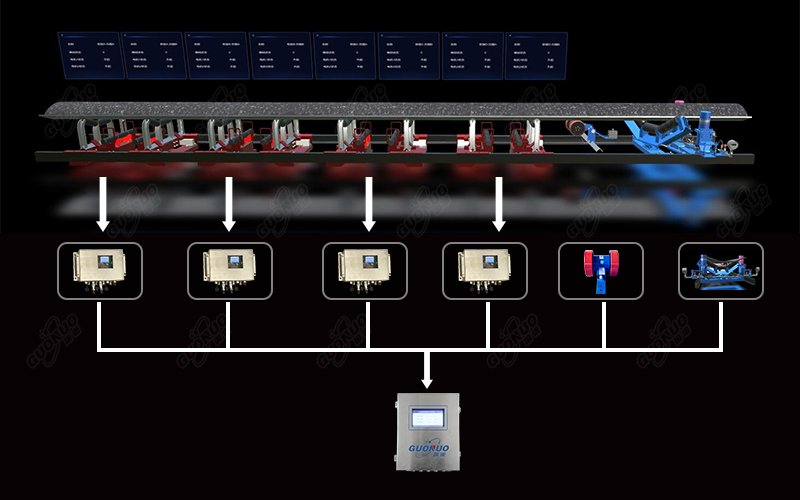
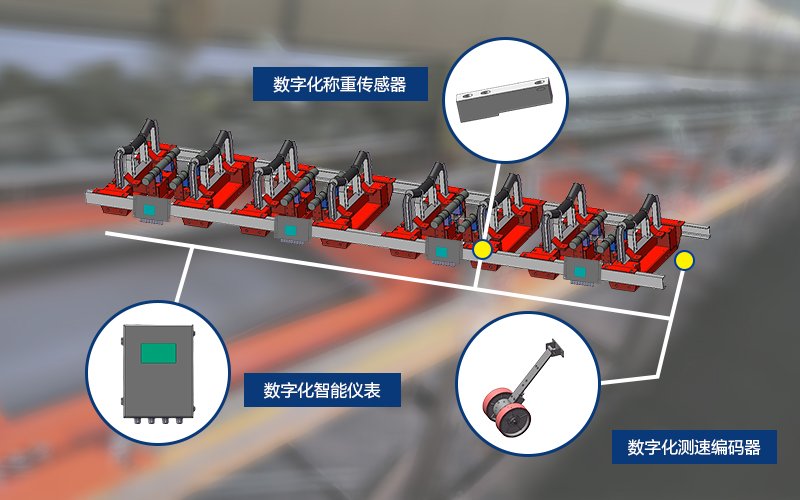
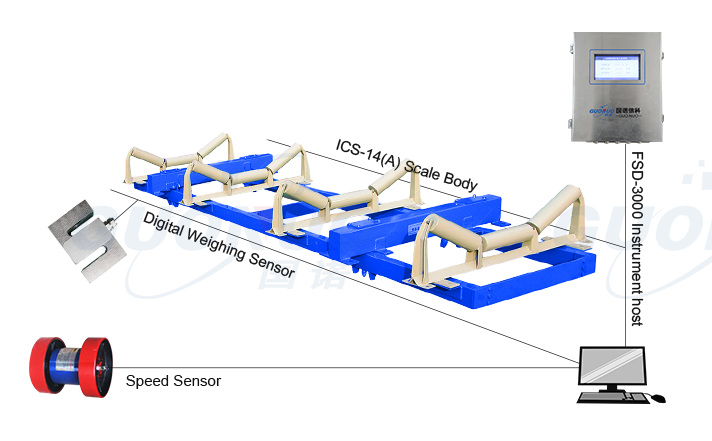
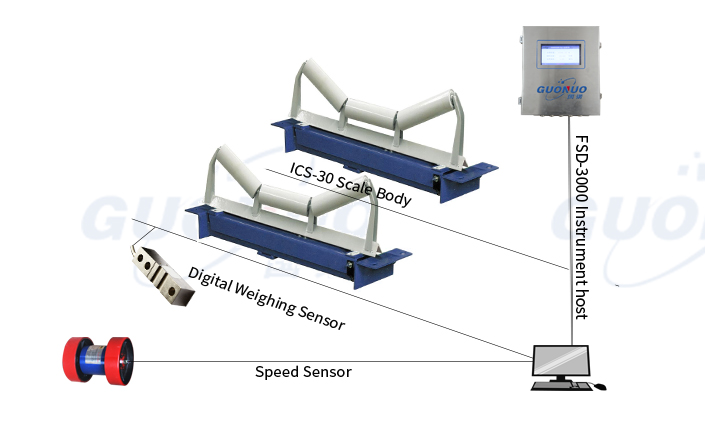
High-precision weighing sensors continuously monitor changes in the material flow rate within the screw tube, forming a rapid-response closed-loop feedback system in conjunction with advanced control algorithms (such as PID or adaptive control). The control system dynamically adjusts the screw speed based on preset feeding rates or target weights, achieving precise control over the mass flow rate of salt compounds. This mass-based direct measurement method significantly surpasses traditional volumetric measurement in accuracy, particularly suited for production processes with stringent ratio requirements, substantially reducing quality fluctuations and raw material waste caused by inaccurate feeding.
In terms of efficiency, the metric screw feeder demonstrates outstanding performance. Its continuous and stable conveyance characteristics eliminate the intermittent pauses associated with manual feeding or batch operations, significantly enhancing the overall operational efficiency of the production line.
Simultaneously, its optimized structural design accommodates a wide range of processing capacities, meeting the needs of various production scales. Automated operation reduces the need for manual intervention, improving the continuity and controllability of the production process. Whether handling minute additions of catalysts or large-scale processing of basic salt raw materials, it efficiently completes the task with ease.
The exceptional performance of the metric screw feeder in precision and efficiency directly translates into significant cost reductions for industrial enterprises:
1. Raw Material Savings: High-precision feeding greatly minimizes raw material waste caused by over-dispensing, particularly noteworthy for high-value raw materials.
2. Reduced Quality Costs: Stable feeding accuracy ensures consistency between product batches, substantially lowering the defect rate and subsequent processing costs arising from compositional deviations.
3. Optimized Labor Costs: Automated operation reduces the demand for frequent manual monitoring, handling, and feeding, decreasing labor intensity and costs.
4. Minimized Maintenance and Loss: Reliable sealing design reduces dust escape losses and equipment wear; stable operation and intelligent fault detection functions also lower downtime and repair costs and time losses due to equipment failures.
The metric screw feeder, with its precision mechanical structure tailored to the characteristics of salt compounds, ingenious closed-loop control based on weighing feedback, and perfect support for efficient continuous operation, reshapes the paradigm of industrial salt compound feeding. It transcends the limitations of traditional methods, putting "precision" and "efficiency" into practice, and becoming a key driver for modern industries to reduce costs, increase efficiency, and enhance core competitiveness.