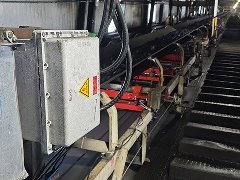
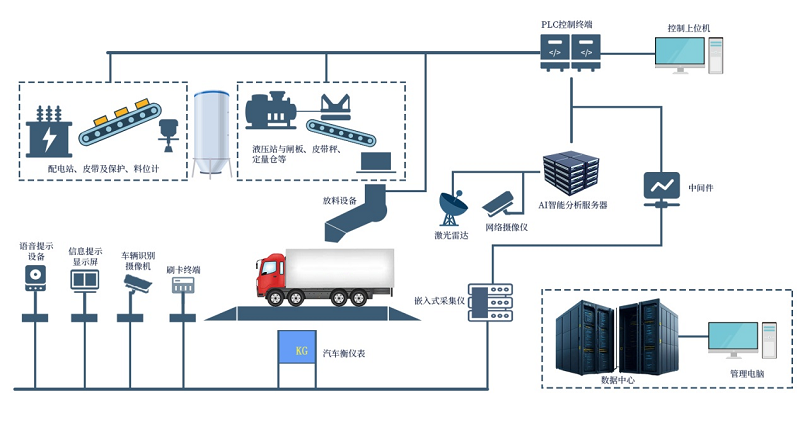
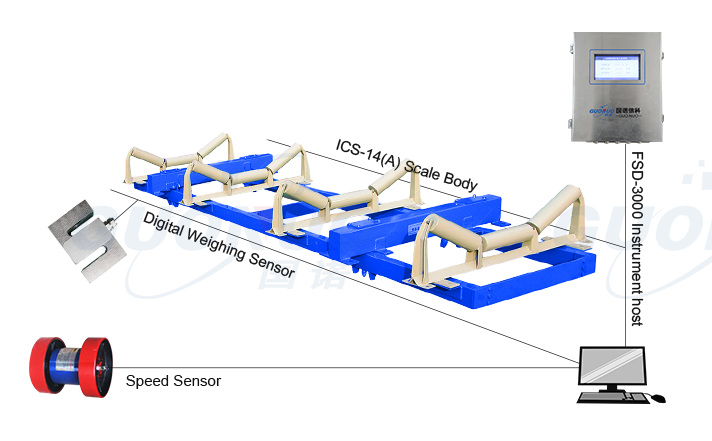
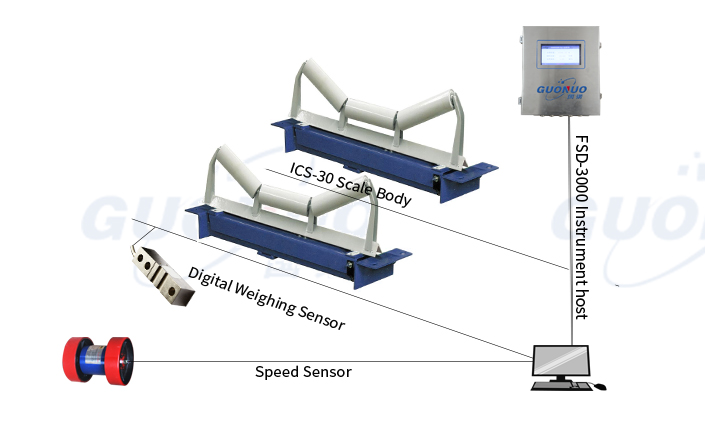
Electronic belt scales are widely used in various production lines for the precise measurement of bulk materials during conveyance. The measurement data is of great significance for production supervision, production statistics, and energy consumption accounting. When inaccuracies occur in electronic belt scale measurements, it is necessary to locate the root cause through a systematic troubleshooting process.
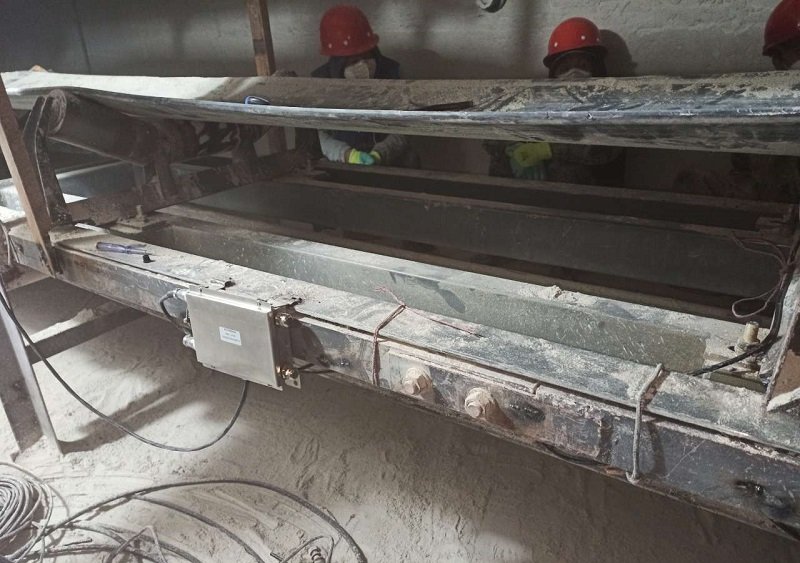
The following troubleshooting steps, based on the structural principles and common fault modes of electronic belt scales, are suitable for rapid diagnosis in most industrial scenarios.
I. Mechanical Structure Integrity Check
1. Belt Operation Status Observation
Check if the conveyor belt exhibits deviation, slippage, or localized wear. Observe whether the material is evenly distributed in the weighing area. Abnormal belt tension can cause uneven force on the weighing idlers, necessitating adjustment of the tensioning device to the manufacturer's recommended range.
2. Load-Bearing Mechanism Stability Verification
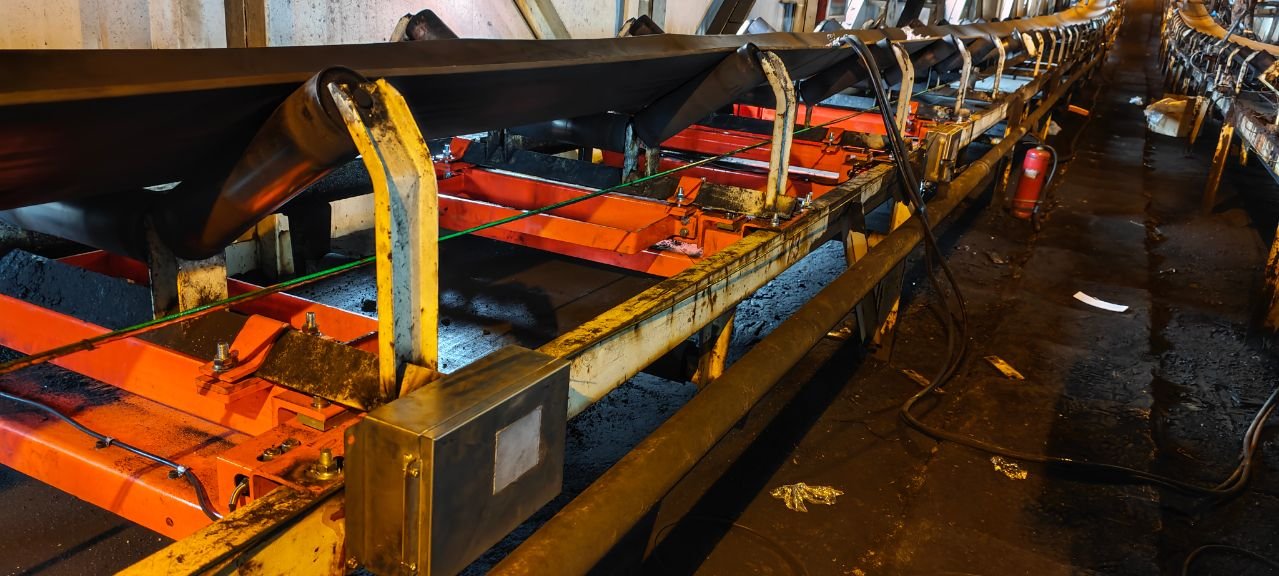
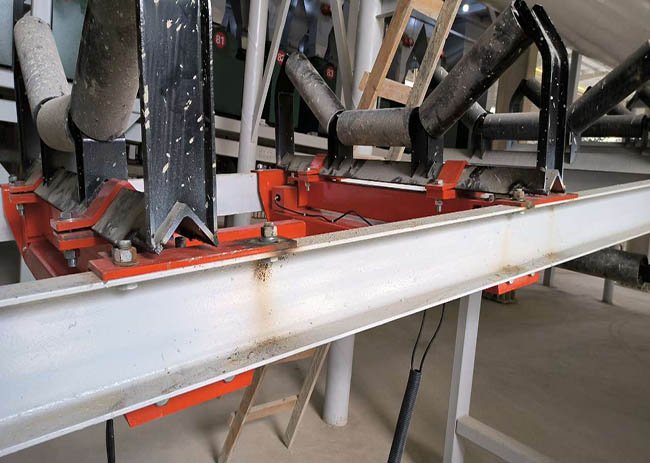
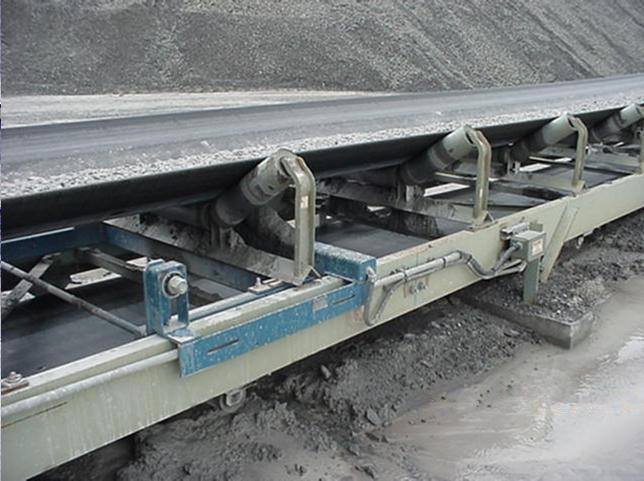
Ensure that the weighing idler group is installed horizontally and rotates flexibly. If there is stuttering or radial runout, replace worn bearings. Check for rust, deformation, or loose bolts on the support frame to prevent structural displacement from affecting weighing accuracy.
3. Cleaning Device Effectiveness Assessment
Residual material accumulation on the return belt can cause additional gravitational interference. Verify that scrapers and cleaning brushes effectively remove adhered material, adjusting scraper pressure or replacing worn components as necessary.
II. Sensor System Accuracy Verification
1. Weighing Sensor Diagnosis
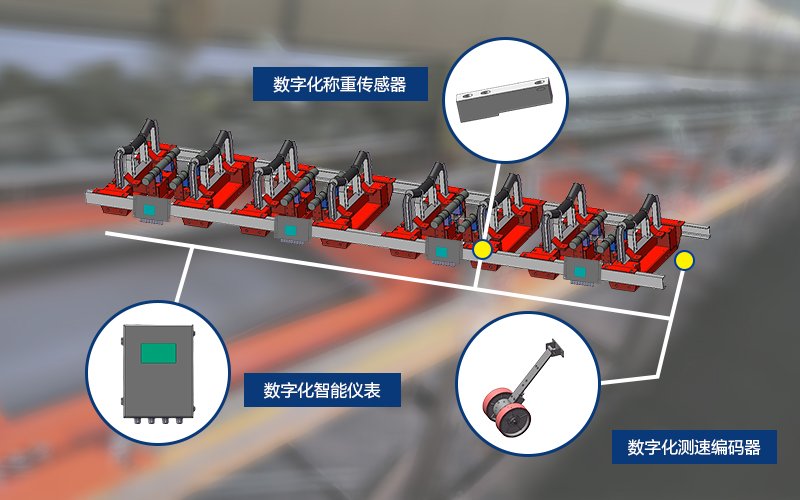
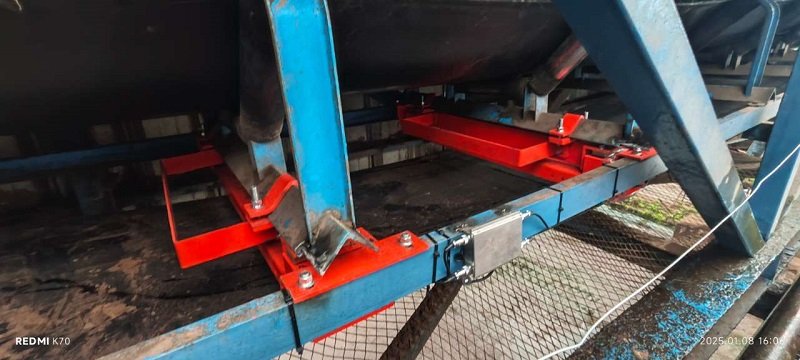
Perform static calibration using standard weights (operating without belt load) to check the linearity of the output signal. If zero drift exceeds the allowable value, recalibrate or replace the sensor. Pay attention to checking the waterproof sealing status of the sensor's wiring terminals.
2. Speed Sensor Synchronization Test
Verify the correspondence between the tachometer encoder and the actual belt speed through pulse frequency comparison. If abnormal, check if the roller maintains tight contact with the belt and if the bearing lubrication is normal.
3. Signal Transmission Channel Detection
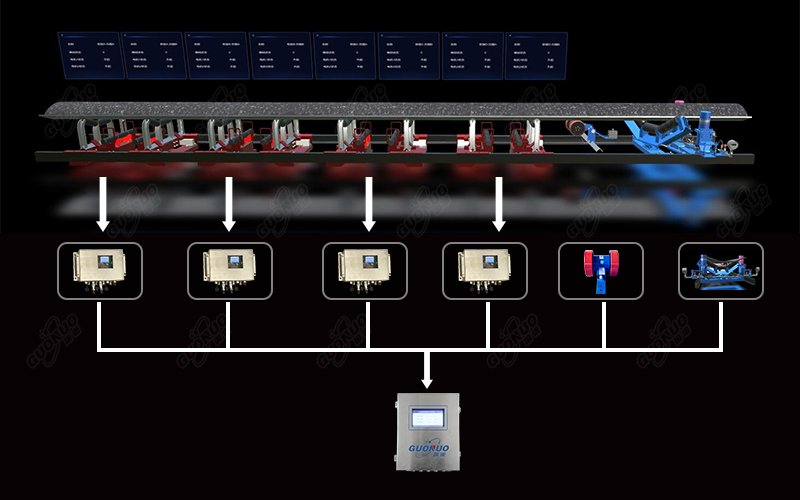
Use a multimeter to measure the line resistance from the sensor to the integrator, ruling out poor contact or electromagnetic interference (e.g., from inverters or high-power motors). It is recommended to use shielded cables and ensure single-point grounding.
III. Instrument Parameter Logic Review
1. Basic Parameter Setting Verification
Confirm that parameters such as belt length, rated speed, and measurement range in the instrument match the actual equipment configuration. Pay special attention to whether mechanical structure changes during the calibration cycle have been synchronously updated in the parameters.
2. Dynamic Calibration Function Execution
After completing mechanical structure repairs and static calibration, dynamic material calibration must be performed. This method corrects the flow calculation model by using the cumulative value of known-weight material passing through the entire process, eliminating systematic errors.
IV. Environmental Factor Impact Investigation
1. Temperature and Humidity Fluctuation Monitoring
Extreme temperatures can cause sensor sensitivity drift, while high humidity may reduce line insulation. Check if the equipment's operating environment meets the sensor's IP protection rating requirements and install temperature control devices if necessary.
2. Material Property Difference Analysis
Changes in moisture content can alter material flowability, potentially causing uneven belt load distribution. Assess whether deviations are due to material properties exceeding the original design scope. It is advisable not to easily change the materials conveyed on the line; if a change is necessary, consult the manufacturer first.
When inaccuracies occur in electronic belt scale measurements, it is essential to remain calm and conduct a gradual troubleshooting process. Ensure that the belt scale is installed correctly, the belt tension is appropriate, the sensors and weighing idlers are intact, the electrical system is functioning properly, and regular equipment calibration is performed.
Additionally, pay attention to changes in material properties and adjust the belt scale's batching parameters promptly to ensure it meets different production needs. By implementing these measures, inaccuracies in electronic belt scale measurements can be effectively resolved, improving equipment stability and production efficiency.
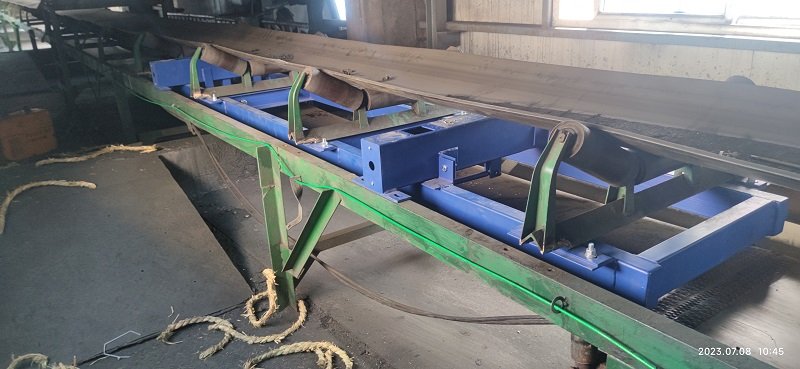
Guonuo Technology, as a professional and comprehensive electronic belt scale manufacturer, offers products with strong adaptability and anti-interference capabilities for industrial environments, maintaining precise and stable measurement in terms of technology and quality.
Furthermore, Guonuo Technology provides comprehensive after-sales service. If customers encounter measurement inaccuracies that they cannot troubleshoot and resolve on their own, we can arrange for professional after-sales support and, depending on the problem type and customer needs, dispatch technicians for on-site assistance.