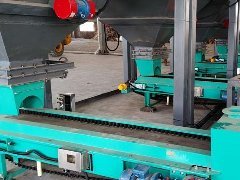
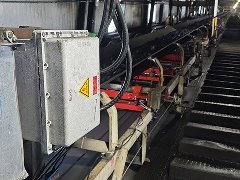
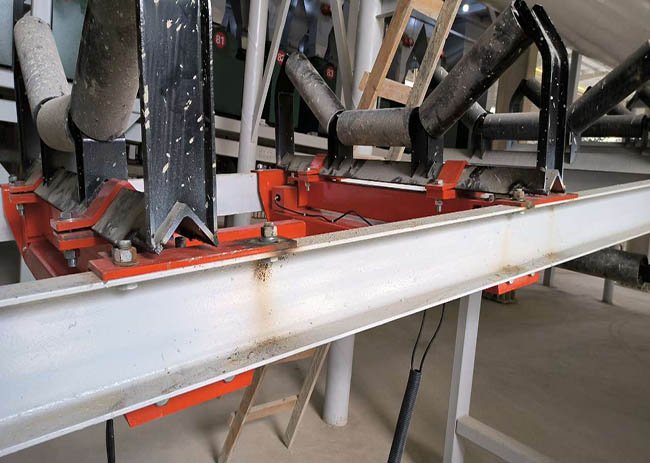
In the fertilizer production process, the weighing and batching of solid raw materials are crucial steps that directly impact product quality, production efficiency, and production costs. Fully automatic weighing and batching equipment, with its advantages of precision, efficiency, and intelligent management, has become essential for optimizing production processes in modern fertilizer plants.
Key Considerations for Selecting Fully Automatic Weighing and Batching Equipment
When choosing fully automatic weighing and batching equipment, fertilizer plants must consider multiple factors to ensure that the selected equipment meets production requirements.
1. Compatibility with Raw Material Characteristics
Fertilizer production involves a variety of solid raw materials with different physical forms, including granules and powders. The equipment must select appropriate conveying and weighing modules based on the flowability, volume, and hygroscopicity of the raw materials.
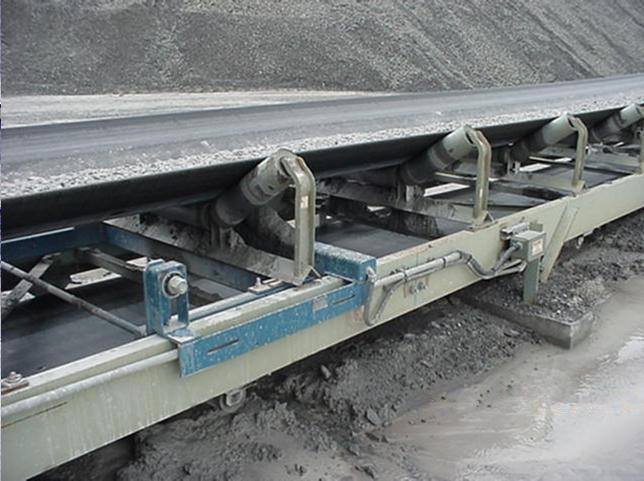
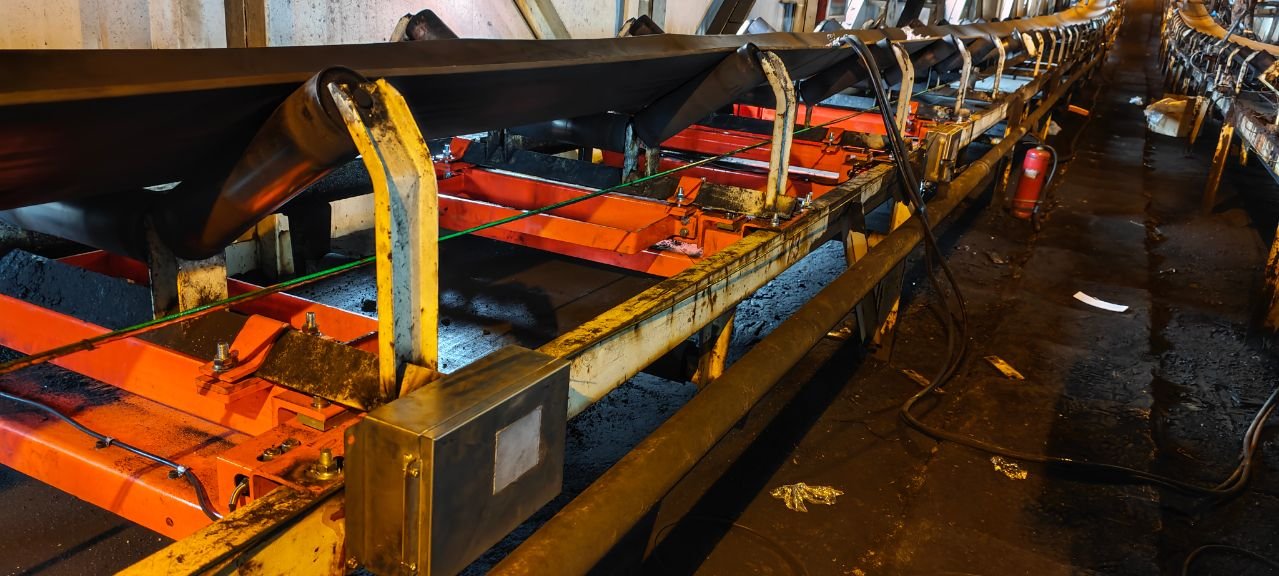
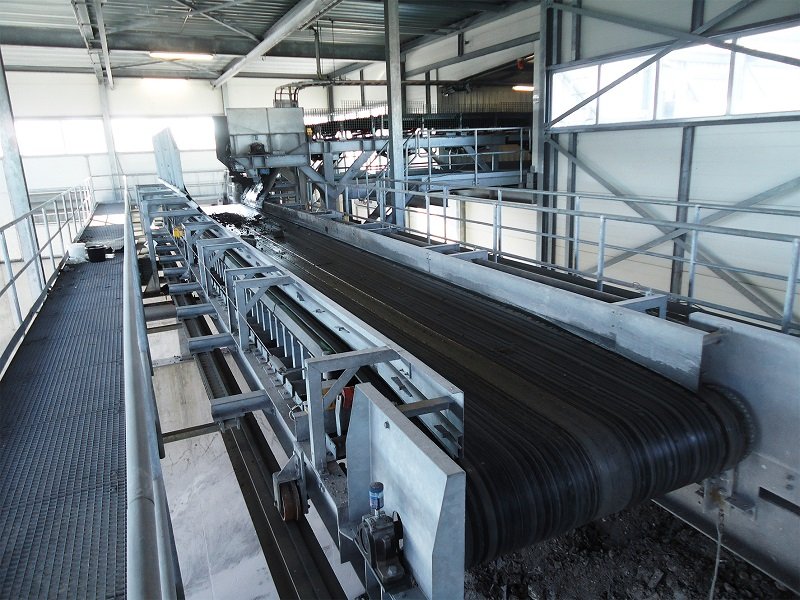
For instance, powder materials are better suited for screw conveying, while block, granular, and flake materials are more suitable for belt conveying. Additionally, for corrosive raw materials (such as those containing acidic or alkaline components), equipment components made of corrosion-resistant materials are necessary to ensure long-term durability.
2. Matching Production Scale and Process
The selection between dynamic (continuous) and static (batch) batching equipment should align with the production scale:
·Dynamic systems are suitable for high-capacity production lines, enabling uninterrupted production through real-time weighing and feeding, ideal for large-scale operations with a single formula.
·Static systems are better suited for flexible production needs with multiple formulas and small batches, offering higher precision but relatively lower efficiency. Fertilizer plants must weigh their choices based on production volume fluctuations and formula complexity.
3. Precision and Automation Requirements
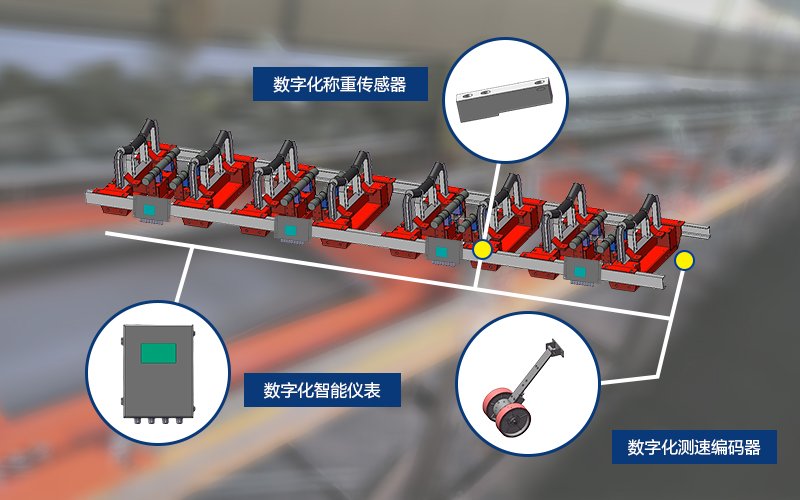
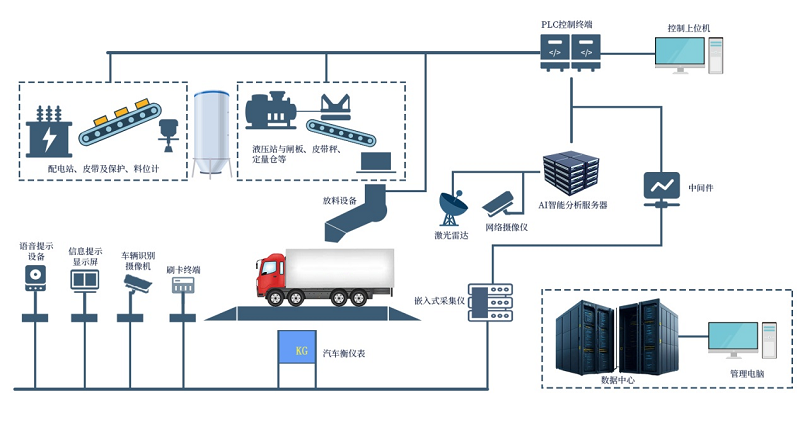
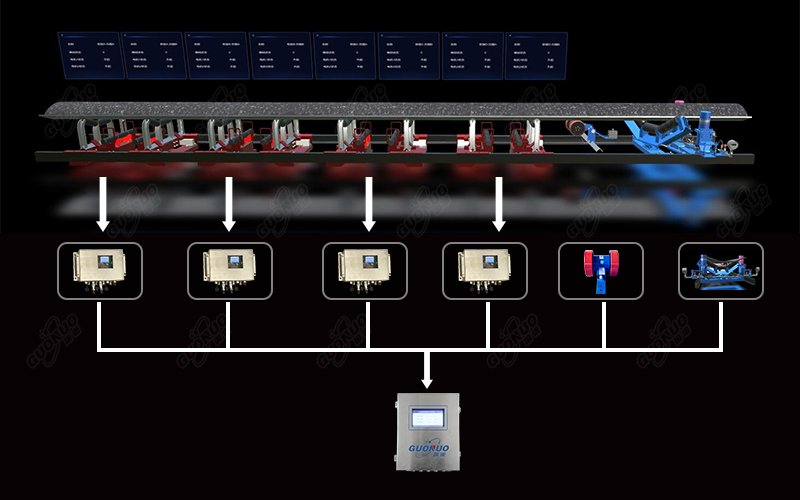
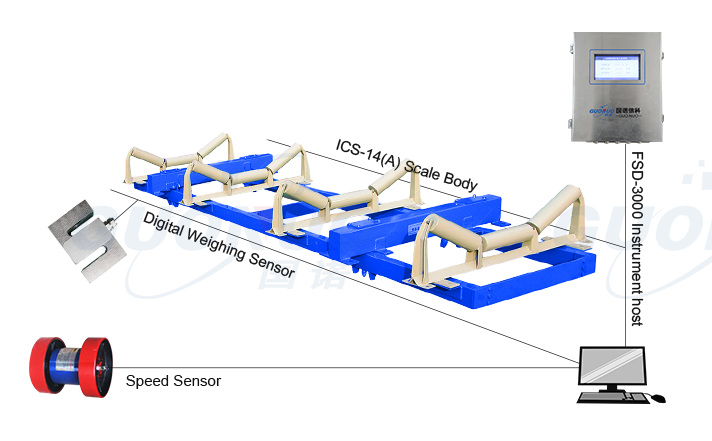
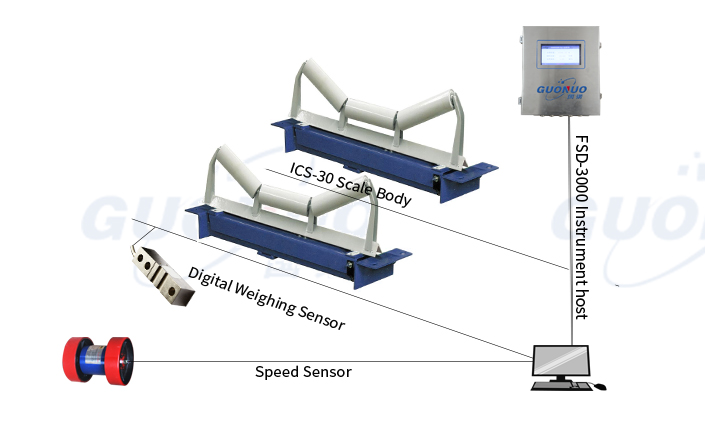
The weighing accuracy of fully automatic equipment typically needs to be controlled within the range of ±0.2% to 1% to meet fertilizer formulation requirements. Simultaneously, the system should support PLC or industrial computer control to achieve functions such as formula management, fault self-diagnosis, and data traceability.
4. Environmental Adaptability and Safety Protection
Fertilizer production workshops often face issues such as dust and humidity. The equipment must have a dust-proof sealed structure (e.g., equipped with dust collectors) and meet the required IP protection rating to ensure operational safety and a clean working environment.
Technical Configuration Directions for Selecting Fully Automatic Weighing and Batching Equipment
1. Modular System Design
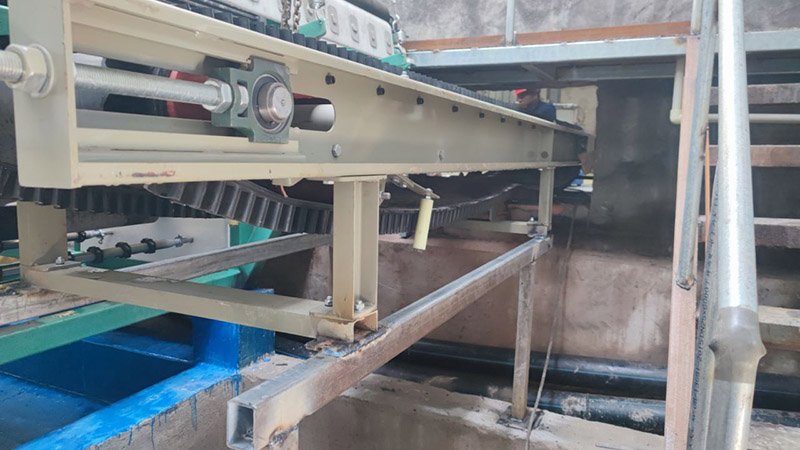
Implement simultaneous batching of multiple components through a multi-bin independent feeding structure, combined with frequency conversion speed control devices for precise control of feeding amounts. A linked production line can integrate downstream equipment such as mixers to form a closed-loop production process, reducing manual intervention.
2. Intelligent Collaborative Management
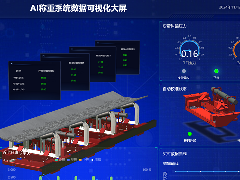
By interfacing with intelligent warehousing systems and MES production management platforms, the equipment can achieve real-time monitoring of raw material inventory and energy efficiency optimization. For example, data collection and analysis can predict equipment maintenance cycles to reduce downtime risks, and data analysis can optimize production schedules and strengthen production supervision.
3. Flexible Upgrades
Adopt an expandable hardware architecture (such as modular weighing units) and open control software to facilitate future upgrades and expansions.
Application Value of Fully Automatic Weighing and Batching Equipment
1. Enhancing Production Efficiency and Quality
The fully automated system significantly improves production capacity consistency by reducing manual weighing errors and shortening batching cycles. For example, dynamic weighing technology ensures stable formulation ratios during continuous production, avoiding composition fluctuations between batches.
2. Reducing Operational Costs
Automation reduces reliance on skilled workers and minimizes raw material waste through precise feeding. Over the long term, energy consumption and labor costs can be reduced by 15% to 30%.
3. Environmental Protection and Safe Production
Enclosed conveying and dust removal designs effectively reduce dust pollution, complying with environmental regulations. The equipment is suitable for the application environment and is equipped with safety interlock control mechanisms to enhance production safety.
In conclusion, the selection of fully automatic weighing and batching equipment should be based on raw material characteristics, guided by process requirements, and balanced with precision, efficiency, and safety. Through reasonable configuration and intelligent upgrades, fertilizer plants can not only achieve cost reduction and efficiency enhancement but also contribute to green and environmentally friendly production.