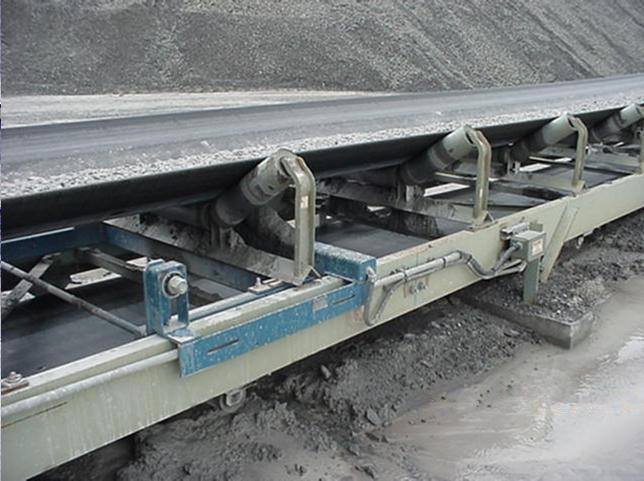
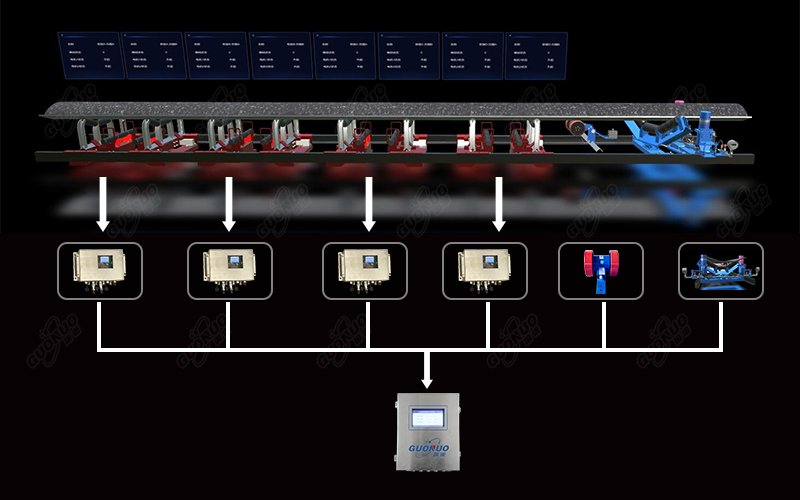
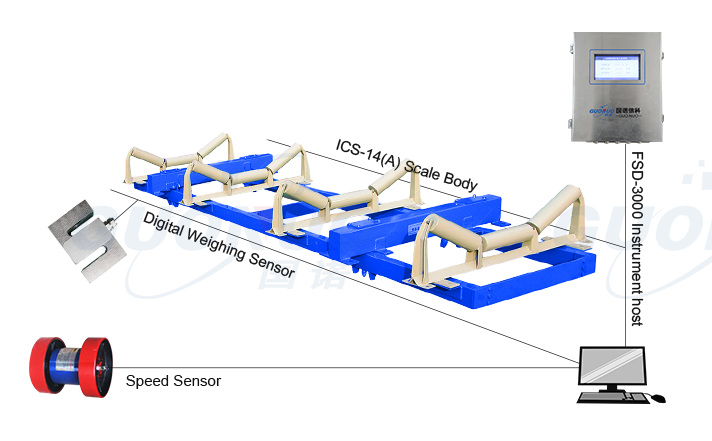
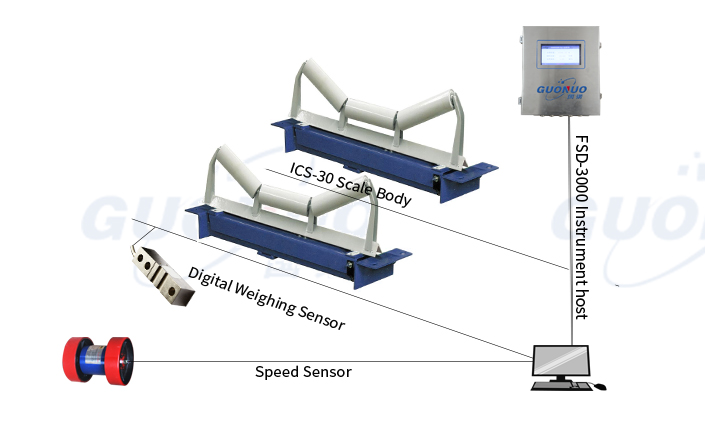
In the production and conveyance processes of bulk material industries, electronic belt scales serve as the core technological equipment for continuous dynamic weighing. The accuracy of their measurements directly correlates with the precision of material settlement, cost accounting, and the effectiveness of process control.
However, the measurement accuracy of belt scales is prone to fluctuations due to interference from complex dynamic operating conditions during real-time operation. Unveiling the dynamic mechanism of error generation is crucial for achieving high-precision continuous measurement.
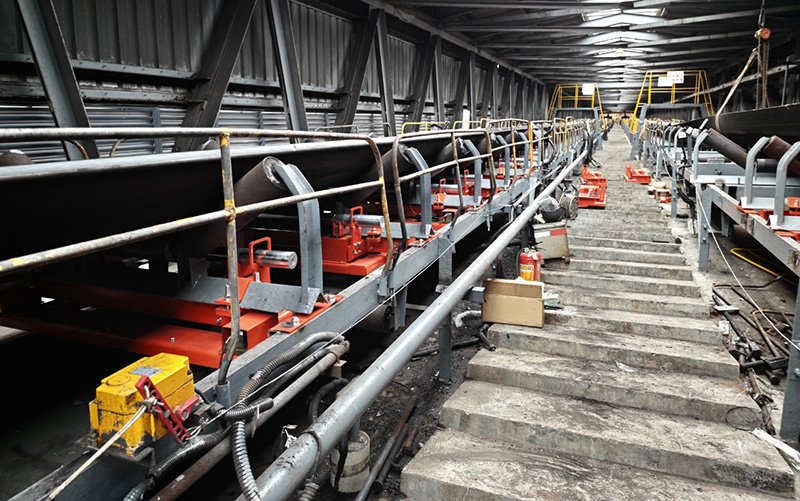
Unlike the stable state of static weighing, the dynamic measurement errors of belt scales essentially result from the coupling effects of various disturbance factors within the signal generation, transmission, and processing chain during the continuous physical motion of material conveyance. The core sources can be attributed to the following categories of dynamic interference:
1. Mechanical Dynamics Interference:
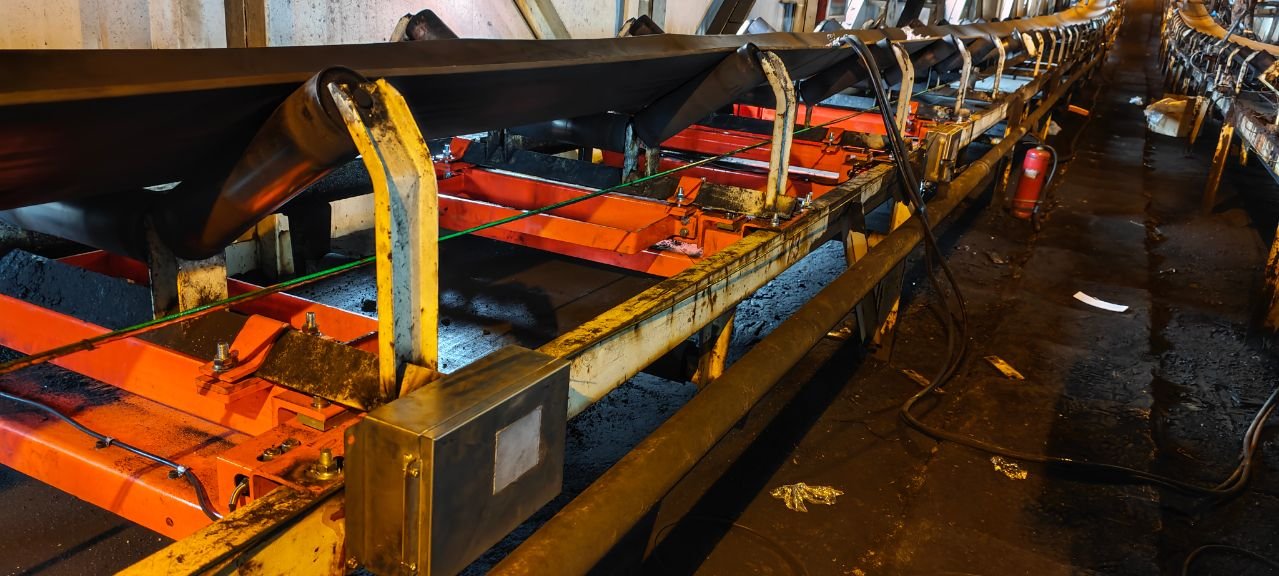
Belt Tension Fluctuations: As a flexible belt, its tension is not constant under the action of driving, steering, and tensioning devices. Start-stop operations, load changes, and the passage of belt joints over rollers can all trigger significant tension variations. Uneven tension directly distorts the force state on the scale frame, introducing significant weighing errors.
Belt Misalignment and Vibration: Factors such as installation deviations, roller wear, and material off-loading can cause lateral belt displacement or abnormal vibrations. Misalignment shifts the material pressure away from the theoretical action line of the load sensors, while vibrations generate additional interfering acceleration signals, both contaminating the true weight signal.
Radial Runout and Uneven Resistance of Idlers: The non-circularity of idlers and bearing wear cause rotational eccentricity and radial runout, forming periodic interference forces. Variations in rolling resistance due to differences in lubrication states among idlers also affect the force transmission between the belt and the scale frame.
2. Material Dynamic Characteristics Interference:
Unsteady Instantaneous Flow Rate Fluctuations: Adjustments in feeding devices (e.g., belt feeders, disc feeders) or changes in the flow morphology of material in silos (e.g., arching, collapsing) result in high-frequency random or periodic variations in the material mass distribution per unit length of the belt, exceeding the filtering capacity of the instrument.
Material Adhesion and Accumulation: The adhesion and accumulation of sticky materials on the belt, idlers, and scrapers not only cause material loss (zero drift) but also introduce dynamic additional load interference due to uneven shedding. Adhesion and accumulation are particularly severe during winter freezing and material spillage.
3. Measurement System Inherent Characteristics Interference:
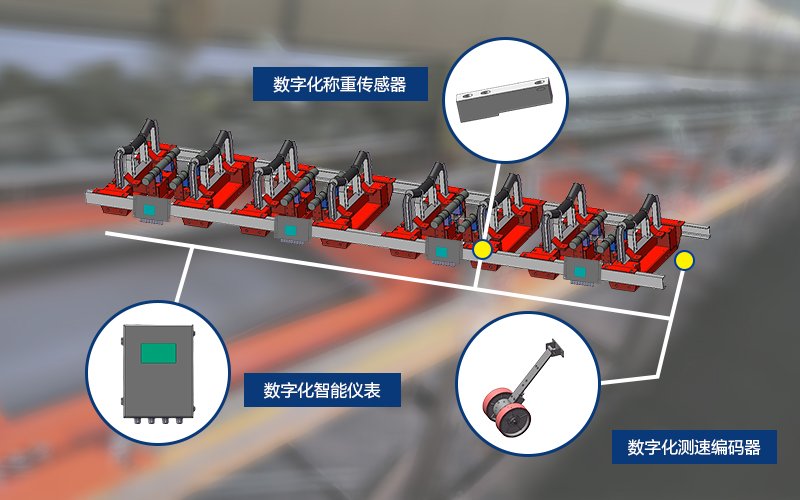
Sensor Response Limitations: Load sensors inherently have response time and bandwidth limitations. For rapid changes in material mass or high-frequency components of mechanical vibrations, sensors cannot fully track, leading to signal distortion.
Signal Transmission and Processing Delays: There is inherent latency in signal transmission and processing from sensor signal generation, through transduction and analog-to-digital conversion, to microprocessor computation and output. This lag effect introduces phase errors between instantaneous measurement results and actual values during changes in belt speed or rapid variations in material flow rate (dynamic integration effect).
Dynamic Propagation of Speed Measurement Errors: Installation eccentricity, slippage, pulse counting errors of speed measurement devices (e.g., encoders, speed wheels), or changes in roller diameter due to wear or material adhesion all result in distorted instantaneous speed measurements. Since the calculated cumulative quantity is derived from instantaneous flow rate and instantaneous speed, speed errors dynamically propagate and amplify cumulative quantity errors.
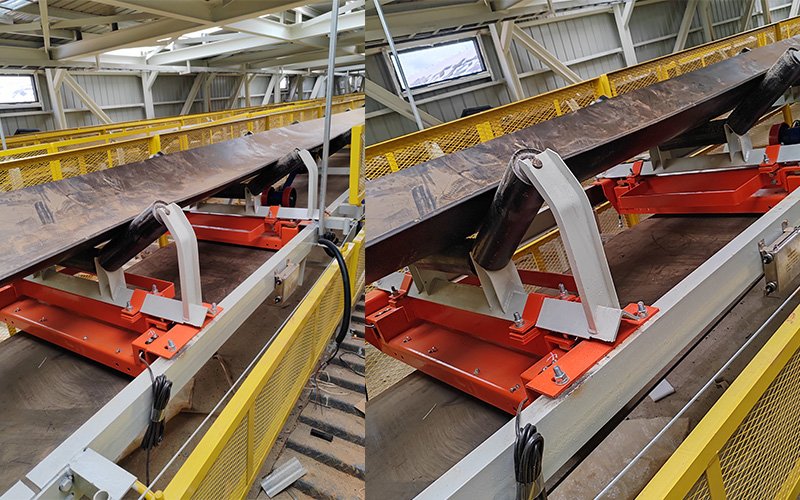
These error sources are not isolated from each other. Belt tension variations can exacerbate misalignment and vibrations; material adhesion increases belt resistance, affecting tension distribution; instantaneous flow rate mutations test sensor response speed and instrument processing capacity; speed errors and weight measurement errors intertwine and amplify during integration.
When the mechanical vibration frequency approaches the instrument sampling frequency, resonance may even be triggered. This multi-physical field, multi-link dynamic coupling effect renders error generation and transmission nonlinear and time-varying, far beyond what simple static error models can encompass.
Based on an understanding of the dynamic error mechanism, improving the accuracy of electronic belt scales requires a holistic approach throughout the design, manufacturing, installation, operation, and maintenance chain:
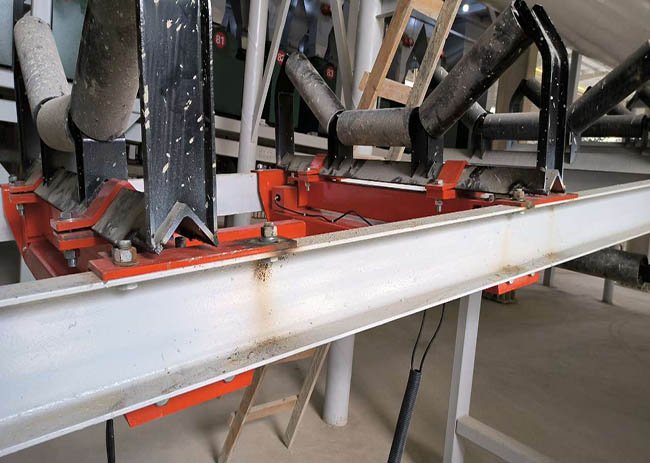
·Structural Optimization Design: Select scale frame structures with high stiffness and strong resistance to lateral forces (e.g., suspended, double-lever types); optimize idler spacing and layout; design effective anti-misalignment and tension adjustment mechanisms.
·Dynamic Parameter Matching: Scientifically select sensor range and response frequency based on material characteristics and flow rate variation range; instrument filter parameters (e.g., time constant, cutoff frequency) must dynamically match the predominant interference frequencies and belt speed at the site.
·Intelligent Dynamic Compensation: Integrate data from multiple sensors (e.g., tension, temperature, vibration) and employ advanced algorithms (e.g., adaptive filtering, state observers, machine learning models) to identify and compensate for dynamic interference effects in real-time.
·Stringent Installation Commissioning and Standardized Operation and Maintenance: Ensure high-precision installation and calibration; establish a periodic dynamic calibration system (e.g., chain codes, circulating chain codes, physical calibration, automatic online calibration); promptly address disturbance sources such as belt damage, idler seizure, scraper failure, and material accumulation.
Understanding the dynamic complexity of measurement errors in electronic belt scales is the starting point for mastering their accuracy. It is not merely the difference between instrument readings and true values but rather the manifestation of the interplay among equipment mechanical motion, material flow state, sensor response characteristics, and signal processing flow over time.
Only by profoundly perceiving the disturbance essence of core dynamic mechanisms such as belt tension fluctuations, material flow state transients, and signal delays, and implementing precise design, intelligent compensation, and rigorous operation and maintenance with a systems engineering mindset, can the highest accuracy measurement trajectory be captured amidst the pulsation of bulk material flow.