In key scenarios involving the continuous conveyance and measurement of bulk materials, electronic belt scales have transcended their role as simple weighing tools to become indispensable "precision stewards" in industrial process control. They bear the core mission of maintaining exceptional and reliable measurement accuracy in dynamic environments characterized by high-speed material flow and complex, ever-changing operating conditions. So, what contributes to the remarkable performance of modern high-precision electronic belt scales?
I. Multi-Sensor Fusion and Distributed Layout: Building a Stable Foundation
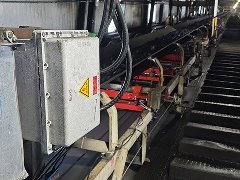
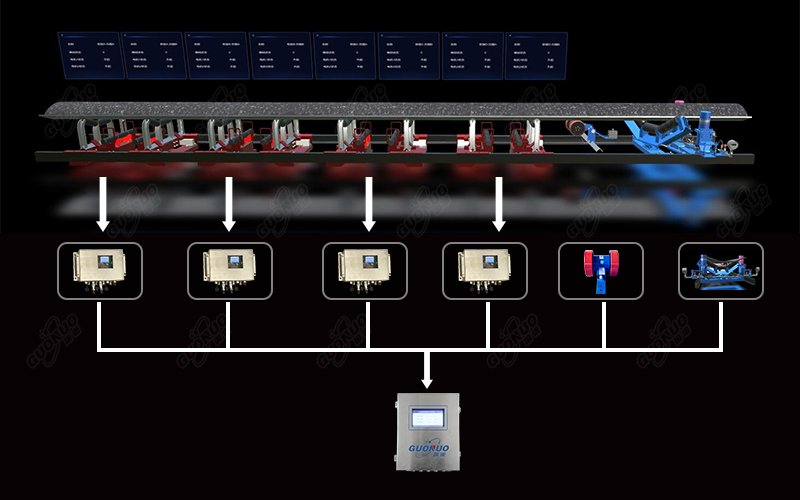
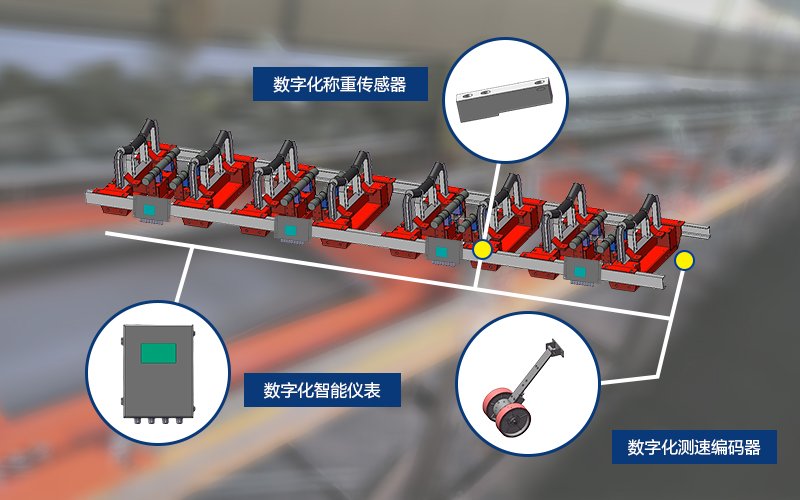
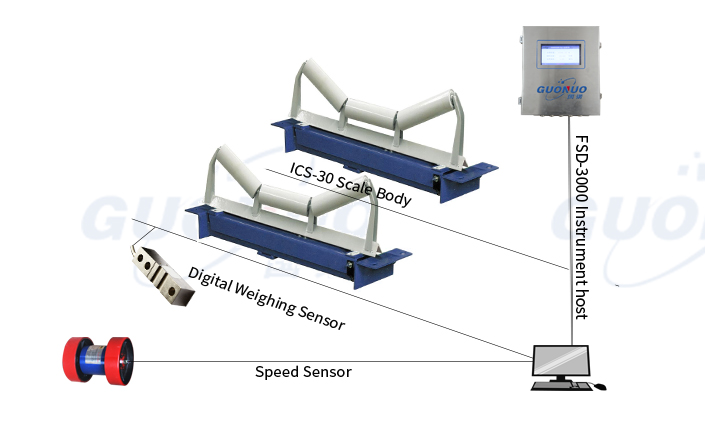
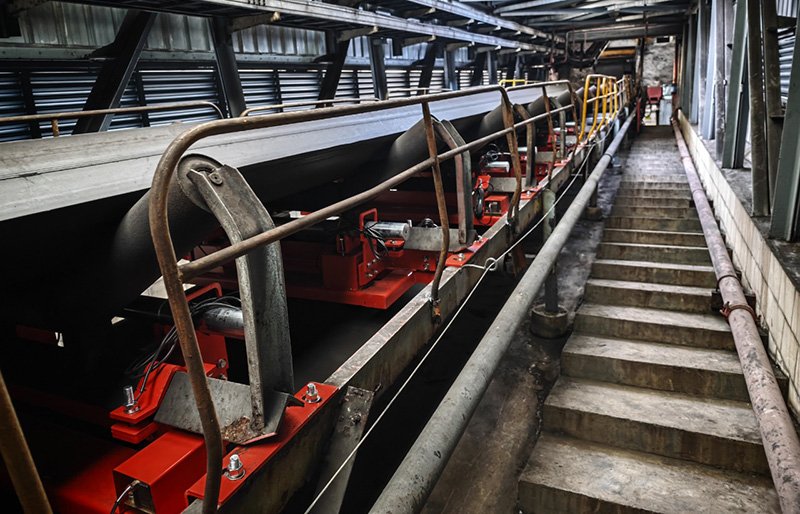
1. Breaking Free from Single-Point Limitations: Traditional single-point weighing methods are susceptible to interference from variations in belt tension and uneven material distribution. Modern high-precision designs deploy multiple high-sensitivity weighing sensors distributed across the effective weighing section (typically exceeding 3-5 groups of idler spacings).
This physically multi-point support structure significantly enhances overall rigidity, effectively disperses local stresses, and markedly reduces the distortion of measurement results caused by belt tension fluctuations.
2. Data Fusion Algorithms: The vast amounts of data collected by multiple sensors are far from being simply additive. Advanced data fusion algorithms, such as weighted averaging and Kalman filtering, are deeply integrated to intelligently combine information from various points, filter out random interference, and extract true material load signals, thereby constructing a solid and stable "data foundation" for the system.
II. Intelligent Algorithm Compensation: Precise Insight in a Dynamic World
1. Challenges in Dynamic Measurement Environments:
·Belt Effects: The weight, stiffness variations, misalignment, and joint impacts of the belt itself.
·Speed Fluctuations: Slippage of the drive roller and minor errors in speed sensors can accumulate and amplify.
·External Interference: Vibrations, temperature drift, and wind effects.
2. Core Compensation Algorithms in High-Precision Belt Scales:
·Precision Speed Compensation: Dual safeguards include selecting high-resolution, interference-resistant digital speed sensors and implementing real-time monitoring of speed signal quality with intelligent smoothing of abnormal fluctuations at the algorithmic level.
·Environmental Adaptability: Sensors incorporate temperature compensation circuits, paired with environmental parameter monitoring modules (e.g., temperature sensors), and algorithm models dynamically adjust coefficients based on environmental changes to ensure lasting accuracy.
·Online Compensation and Calibration: Built-in intelligent algorithm programs intelligently compensate for measurement errors and can achieve online automatic calibration of the belt scale in conjunction with standard test weights.
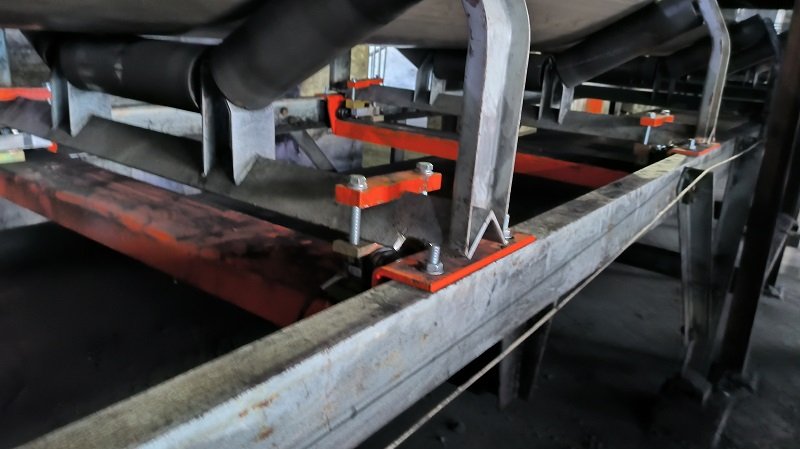
III. Innovations in Weighing Bridge and Idler Structure: The Art of Mechanical Precision
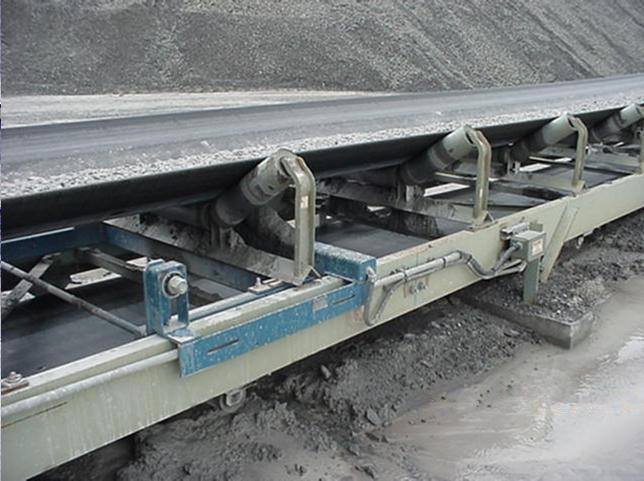
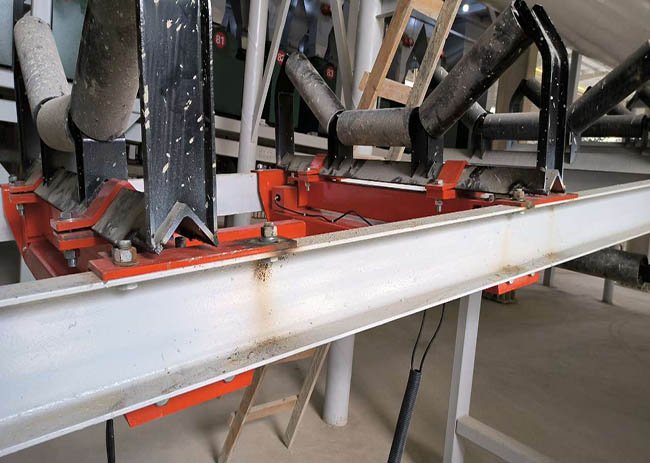
1. Suspended Weighing Bridge: Top-tier designs adopt a suspended structure with exceptional overall rigidity (e.g., fully suspended or matrix combination types). The key feature is the clever release of horizontal constraints, rendering the weighing area akin to a "suspended platform" that is sensitive only to vertical loads and virtually immune to lateral forces (such as friction from belt misalignment), thereby eliminating structural interference at its source.
2. High-Precision Weighing Idler Sets:
· Precision Machining and Concentricity: The machining accuracy of the idlers themselves and their mounting bases, as well as the ultra-high concentricity and trough consistency among idler groups, form the foundation. This ensures stable belt running trajectories and clear, reliable load transfer paths.
· Low-Friction, Maintenance-Free Bearings: High-performance sealed lubricated bearings are widely used, offering minimal friction resistance and long-lasting reliability, reducing errors introduced by resistance variations, and significantly lowering maintenance requirements.
· Anti-Deformation Design: Finite element analysis is applied to optimize the structure, ensuring minimal and highly linear deformation under maximum loads, thereby safeguarding the authenticity of signal output.
IV. Pure Signal Processing and Data Link Assurance
1. Core: High-Precision, Low-Drift Weighing Instruments:
· High-Speed, High-Resolution: Analog-to-digital converters feature high sampling rates and resolutions (e.g., 24-bit or higher) to accurately capture subtle changes in sensor output.
· Ultra-Low-Noise Amplification Circuits: Preamplifiers boast extremely low noise levels and ultra-high common-mode rejection ratios (CMRR) to effectively resist electromagnetic interference.
· Digital Filtering Techniques: Powerful digital filters (e.g., FIR, IIR) precisely filter out mechanical vibration noise at specific frequencies (such as motor vibration frequencies) and power frequency interference, extracting pure weighing signals.
2. Anti-Interference Design and Reliable Transmission:
· Multiple Shielding and Isolation: Sensor cables and instrument signal lines employ double-layer shielding, and circuit modules within the instrument are electrically isolated from each other.
· Digitization and Bus Technologies: Analog signals are converted to high-quality digital signals at the sensor end (e.g., using digital sensors), or transmitted via highly interference-resistant industrial buses, greatly enhancing the anti-interference capability during signal transmission.
V. Intelligent Diagnostics and Convenient Maintenance: Guardians of Reliable Operation
1. Online Self-Diagnostic Systems:
· Real-Time Monitoring: Continuously monitors key parameters such as sensor status (impedance, output), power supply stability, signal noise levels, and speed signal validity.
· Fault Warning and Localization: Upon detecting deviations from normal operating thresholds (e.g., sensor abnormalities, loss of speed signals, instantaneous overloads), the system immediately issues graded alarms (warnings/alarms) and accurately locates fault points to guide maintenance.
2. Intelligent Calibration and Management:
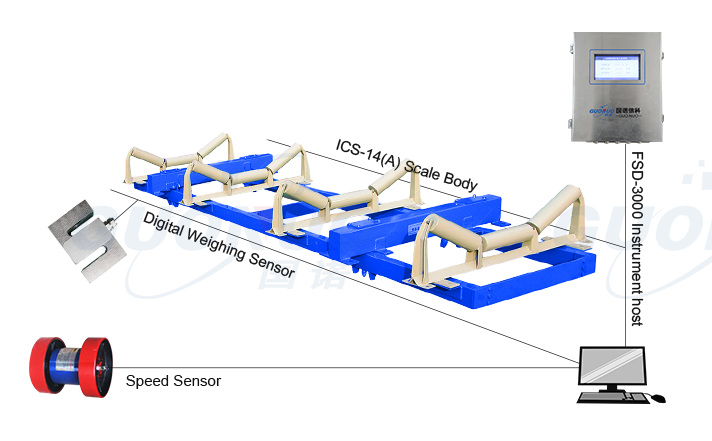
· Guided Calibration: Provides clear step-by-step guidance for users to perform zero calibration, interval calibration, and chain code/hanging code calibration, reducing human operational errors. Additionally, innovative matrix-type high-precision belt scales from companies like Guonuo Technology, equipped with standard test weights and intelligent instruments, can achieve automatic online non-stop calibration.
· Remote Monitoring and Configuration: Supports access via Ethernet and other means to enable remote real-time data viewing, parameter configuration, diagnostic information retrieval, and software upgrades, enhancing management efficiency.
The design highlights of high-precision electronic belt scales lie in their technological innovations and comprehensive applications. From precision sensing technologies to intelligent remote monitoring, and from adaptive designs to enhanced anti-interference capabilities, these innovations enable high-precision belt scales to demonstrate higher efficiency, lower errors, and better stability in practical applications.