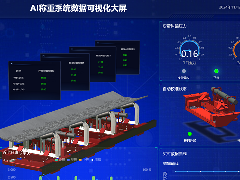
In the precise ingredient blending process of industrial production, the quantitative belt feeder plays a pivotal role. Its core capabilities stem from three precisely collaborating system modules: the conveying system, dynamic weighing system, and quantitative control system. These three work closely together to form a stable, high-precision material metering and conveying chain.
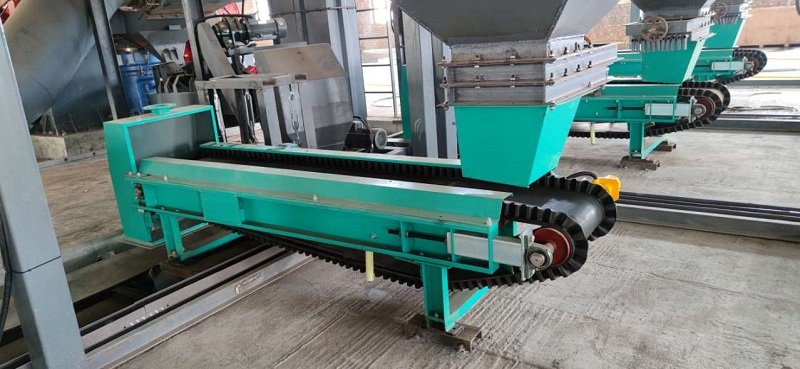
Conveying System: A Stable Channel for Material Flow
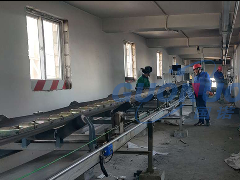
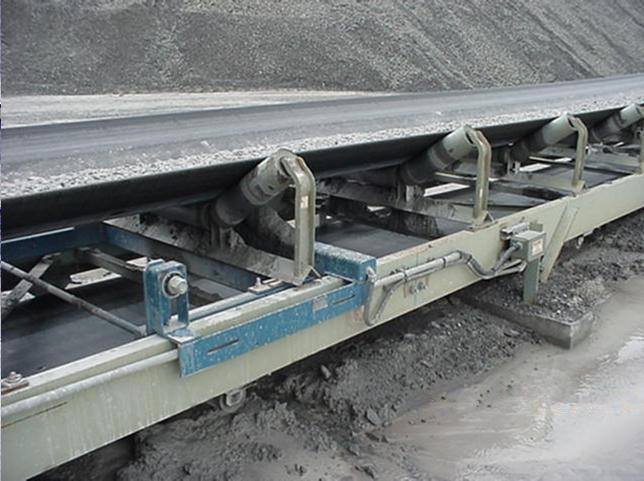
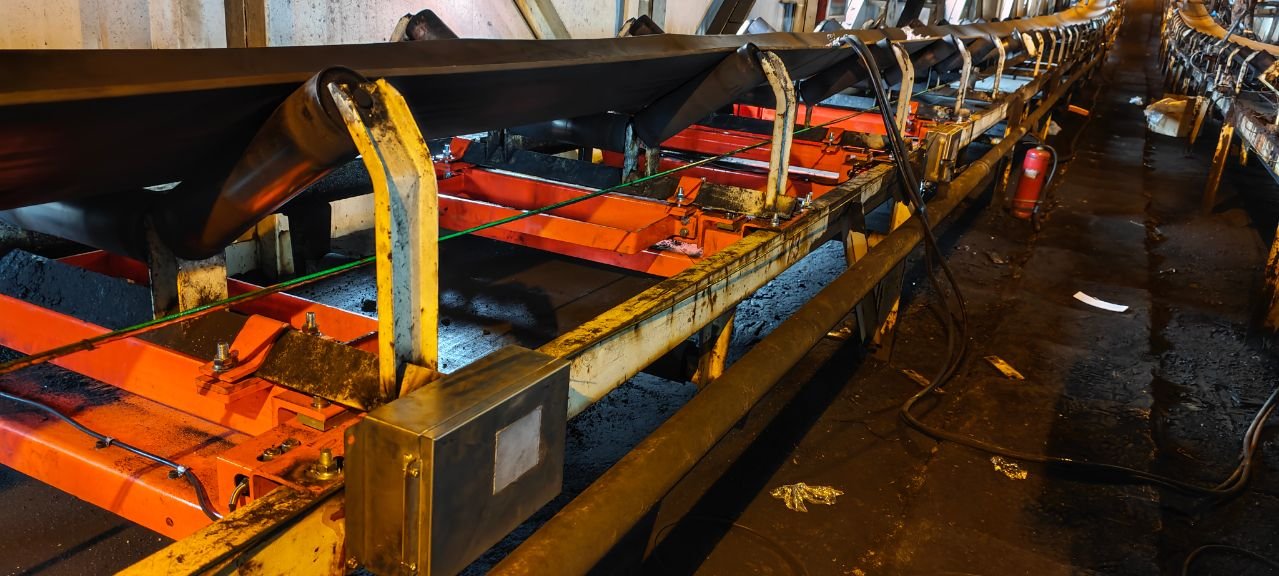
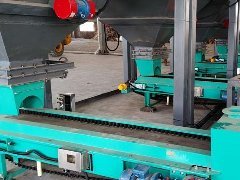
As the foundation of the equipment, the conveying system is responsible for carrying materials and propelling them forward at a constant speed. A sturdy steel frame provides firm support, while a well-designed drive unit ensures the smooth operation of the rubber conveyor belt.
The drive drum supplies the core power, and the tail-end tensioning device maintains appropriate belt tension. The presence of a material leveling device or guide chute guides the material to spread into a uniform thin layer, laying the groundwork for subsequent precise weighing. The entire system guarantees the stable progression of a continuous material flow through its reliable mechanical structure.
Dynamic Weighing System: Instantaneous Perception During Movement
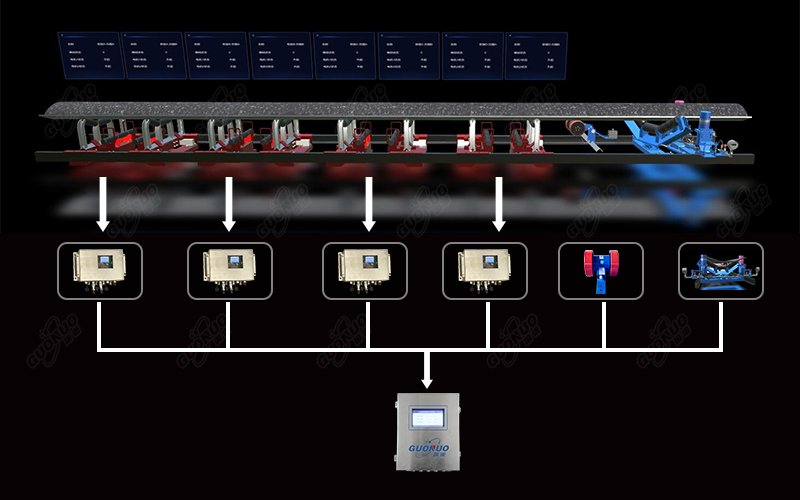
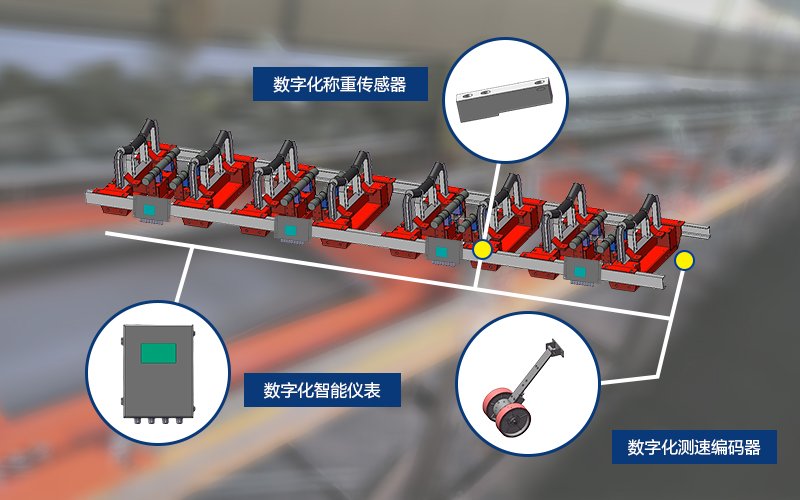
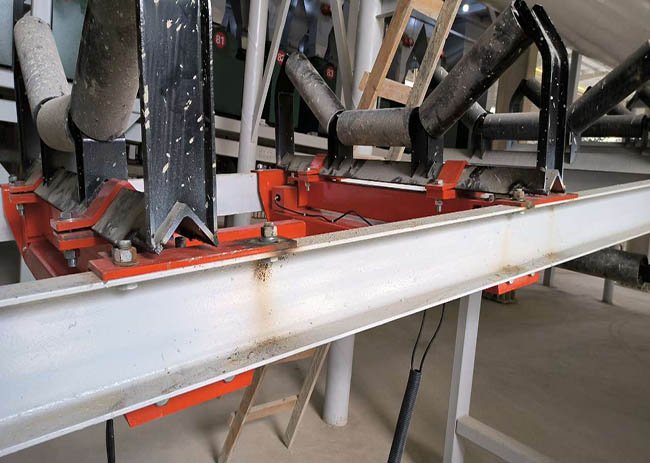
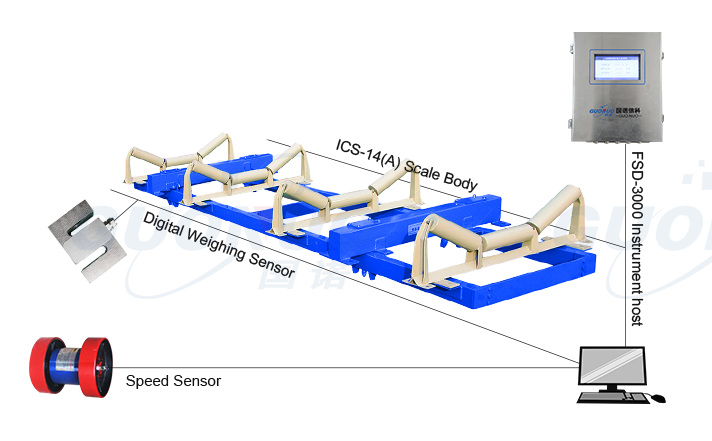
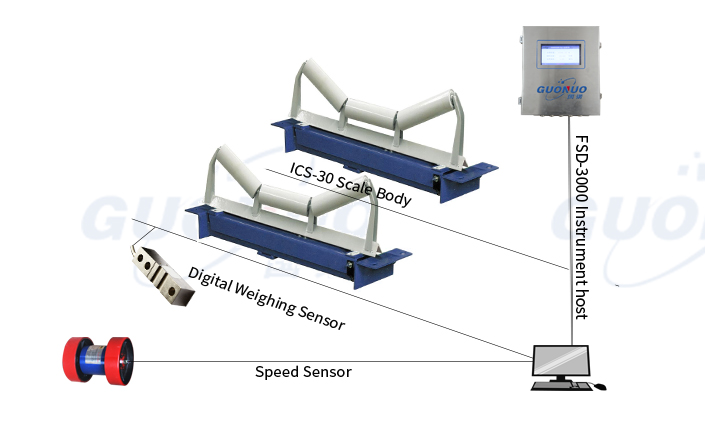
The mission of dynamic weighing is to capture the weight signal of the moving material in real-time. The core weighing unit is typically located beneath a section of the conveyor belt, cleverly supporting the weighing idlers. When the material flows over this section, the weighing sensor sensitively detects its weight load and converts it into an electrical signal output.
A high-precision speed sensor simultaneously measures the real-time speed of the belt. The essence of dynamic weighing lies in its ability to compensate in real-time for interference factors such as belt tension and vibration fluctuations, ensuring the accuracy and credibility of the instantaneous flow signal. The data processing unit performs real-time analysis and processing of the weight data collected by the sensors.
Through software algorithms, it transforms the dynamic weighing data into usable information for subsequent control systems.
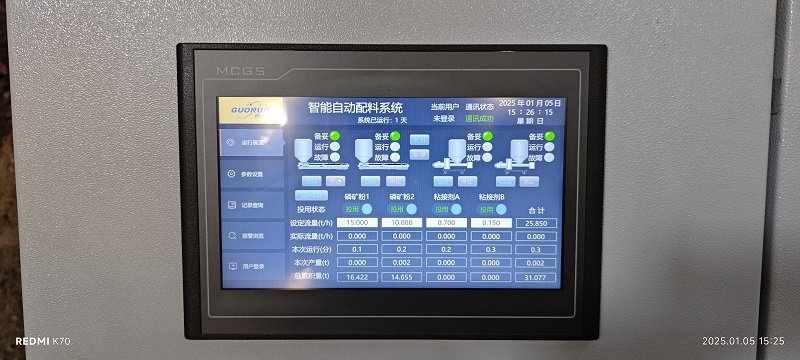
Quantitative Control System: The Command Hub for Precise Flow
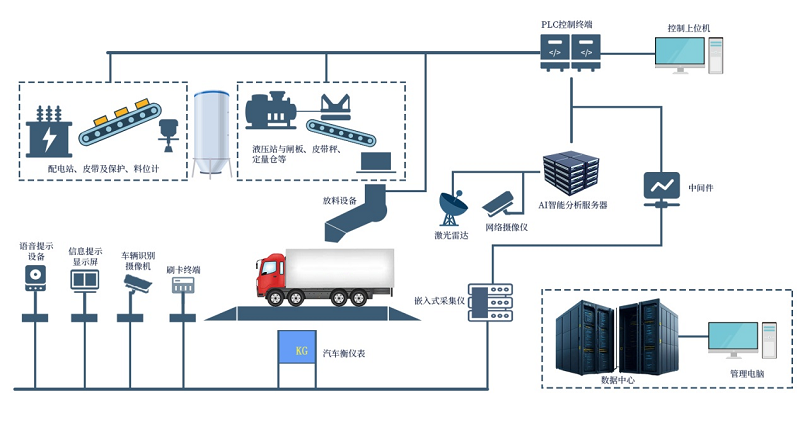
The system receives instantaneous flow signals—the precise product of the material weight perceived by the weighing unit and the belt speed information. The controller core compares this actual flow with the preset target flow in milliseconds. Based on the error value, the control algorithm (such as PID) quickly generates speed adjustment instructions, driving the frequency converter to adjust the motor speed and achieve flexible control of the belt conveying speed. This closed-loop feedback chain operates continuously and dynamically, ensuring that the material conveying rate remains precisely anchored to the set value.
The controller generally employs a PLC (Programmable Logic Controller) or DCS (Distributed Control System), characterized by high computational efficiency and reliability.
In their relationship, the conveying system serves as the physical foundation, dynamic weighing provides instantaneous load information, and the quantitative control system acts as the "brain" driving execution. These three form a precisely collaborating feedback loop: the conveying system operates stably to provide a carrier, the dynamic weighing system captures material information, and the control system precisely adjusts operating parameters accordingly, ultimately achieving precise quantitative management of the material conveying process.
The quantitative belt feeder is not a simple mechanical combination but a precise metering entity constituted by the collaborative efforts of the conveying system, dynamic weighing system, and quantitative control system. Each fulfills its role while being interconnected, jointly transforming the concept of "quantification" into stable and reliable precise material flow and control in industrial production.