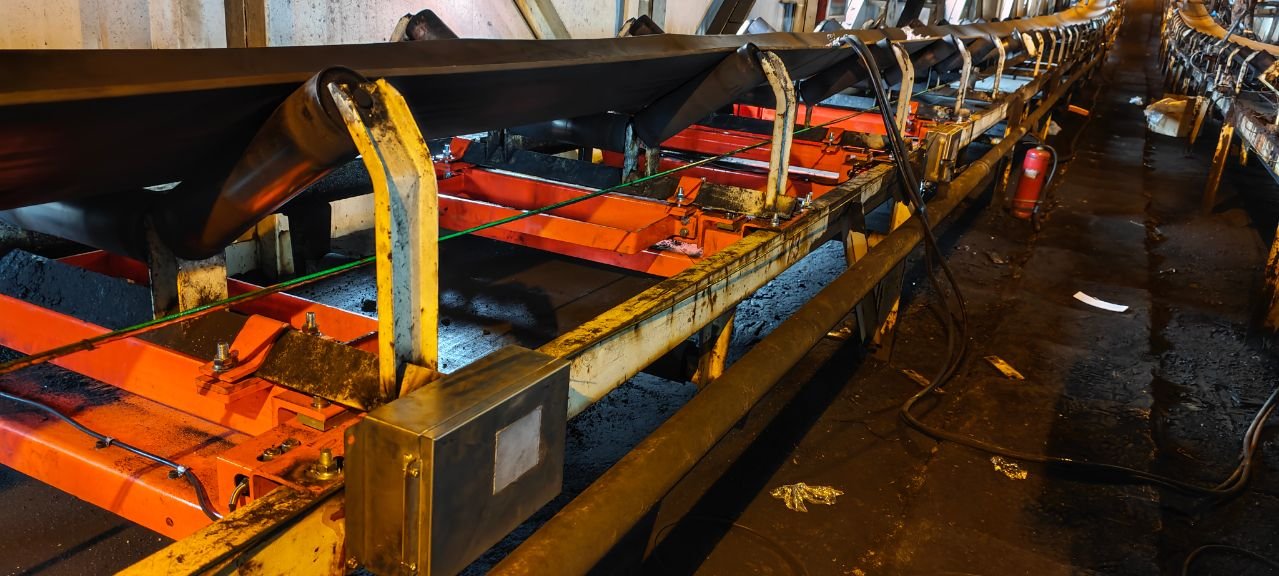
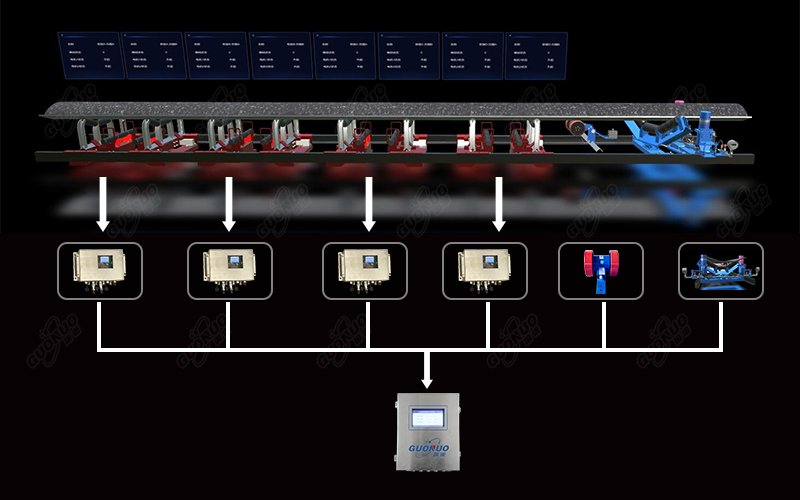
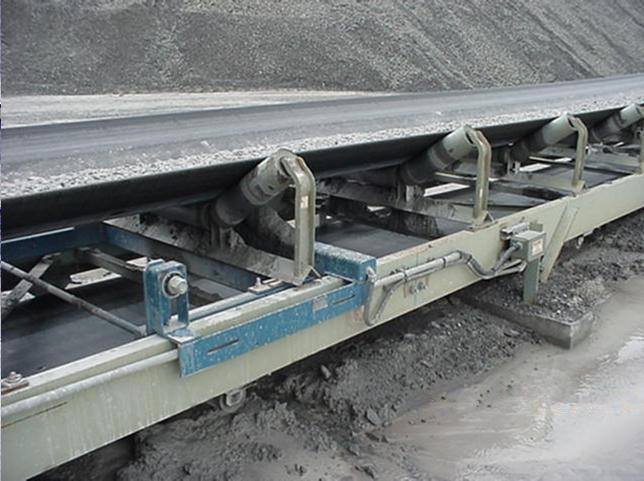
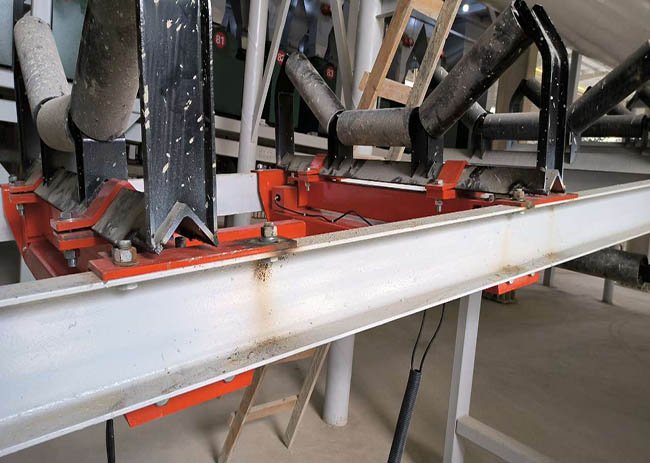
Electronic belt scales, as the core equipment for continuous measurement of industrial bulk materials, have their installation accuracy directly affecting measurement results. However, in hazardous locations with flammable and explosive gases or dust (such as coal mines and flour mills), ordinary electronic belt scales cannot meet safety requirements. In such cases, explosion-proof electronic belt scales become essential. The key difference between the two types of equipment lies in their safety rating for adapting to the environment, which also leads to crucial differences in their installation processes:
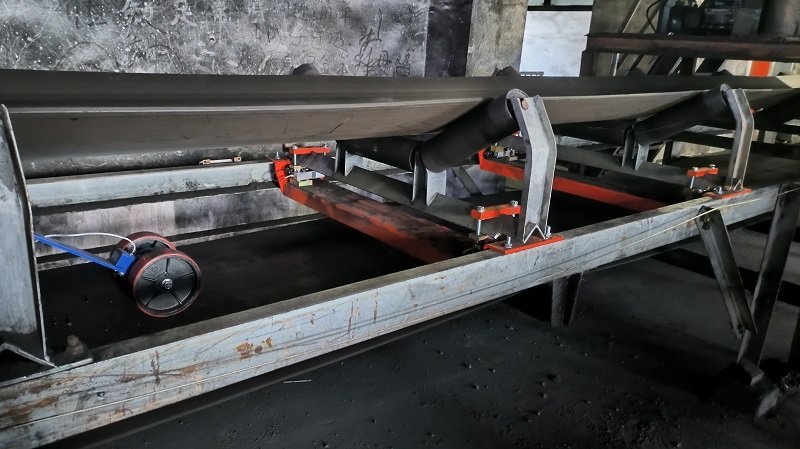
1. Certification Qualifications and Model Selection Matching (Core Prerequisite)
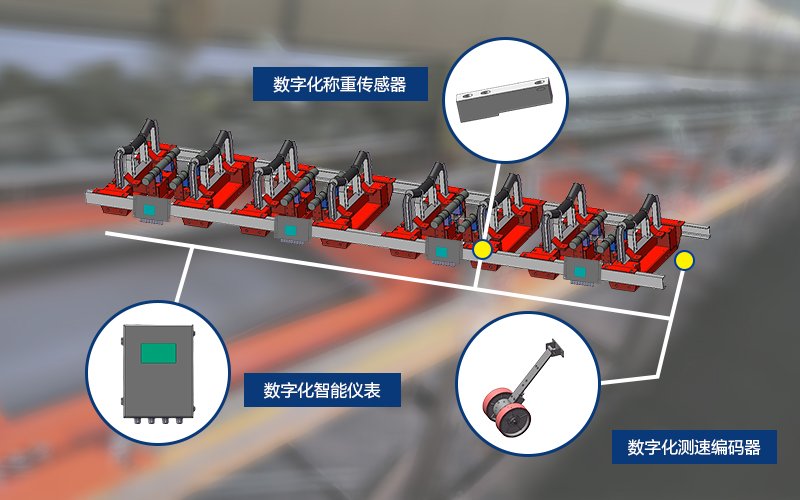
- Explosion-proof Type: This is the most critical step before installation. The equipment itself (sensors, weighing instruments, junction boxes, speed sensors, etc.) must possess clear and valid explosion-proof certifications (such as domestic explosion-proof certificates and production licenses, international ATEX, IECEx, etc.). The explosion-proof type (e.g., flameproof "Ex d", intrinsic safety "Ex ia/ib"), gas/dust group, and temperature group (T rating) indicated on the certification must strictly match the types and characteristics of hazardous substances present at the site. The equipment casing should have a permanent "Ex" explosion-proof标志 (logo) nameplate.
- Ordinary Type: No specific explosion-proof safety certification requirements; model selection mainly focuses on conventional parameters such as accuracy grade, range, belt width, and ambient temperature and humidity.
2. Hazardous Area Classification and Equipment Layout
- Explosion-proof Type:
- Precise Positioning: Hazardous areas must be classified (0 zones, 1 zone, 2 zone; 20 zones, 21 zones, 22 zones) strictly in accordance with national or international standards (such as GB 3836 series, IEC 60079 series) based on the actual characteristics of hazardous substances, release source locations, and ventilation conditions at the site. This forms the basis for selecting installation locations.
- Zonal Correspondence: All components of the electronic belt scale (scale frame, sensors, junction boxes, instruments) can only be installed in hazardous area zones that match their explosion-proof rating identification. For example, equipment rated for use in Zone 1 cannot be installed in Zone 0.
- Installation Location Considerations: Under the premise of meeting measurement requirements (such as straight section length requirements), factors such as ventilation, avoidance of potential release sources, and ease of maintenance and inspection should be considered as much as possible. However, the primary condition is compliance with regional classification and safety spacing requirements.
- Ordinary Type: Installation location selection is mainly based on conventional factors such as measurement requirements (stable belt tension, minimal vibration, away from material impact points), ease of operation and maintenance, and ambient temperature and humidity, with no strict safety zone restrictions.
3. Electrical Connections: Cables and Wiring
- Explosion-proof Type:
- Specialized Cables: Explosion-proof cables that meet the requirements of the explosion-proof area rating must be used (usually with specific armor and sheath material requirements).
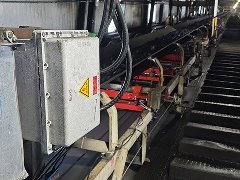
- Explosion-proof Connections: All electrical connection points (e.g., from sensors to junction boxes, from junction boxes to instruments) must be made within explosion-proof junction boxes or explosion-proof gland heads (cable sealing joints) with the corresponding explosion-proof type, using manufacturer-specified sealing components and effective methods (such as rubber sealing rings, potting compounds) for effective sealing to prevent the entry of explosive mixtures or the escape of internal sparks.
- Intrinsic Safety Circuit Requirements: If an intrinsic safety (Ex i) circuit is used, it must be ensured that the parameters (voltage, current, capacitance, inductance) of the entire circuit (instrument, cable, sensor) are strictly controlled within the "intrinsic safety parameters" specified in the certification documents, and associated equipment (such as safety barriers) cannot be omitted or altered.
- Ordinary Type: General instrument signal cables or power cables can be used, and wiring is completed in ordinary junction boxes, mainly focusing on firm wiring, waterproofing, and dustproofing (IP rating), with no special spark prevention and flameproof sealing requirements.
4. Grounding Requirements
- Explosion-proof Type: Equipotential bonding and grounding requirements are extremely strict. All metal components (scale frame, sensor casing, explosion-proof junction box casing, bridge, armored cable sheath, etc.) must be reliably connected to the factory's equipotential grounding system or a dedicated explosion-proof safety grounding system using low-impedance conductors. The purpose is to prevent static accumulation, ensure safe discharge of fault currents, and prevent dangerous sparks from occurring between different potentials. The grounding resistance value must comply with explosion-proof standards and engineering design specifications and be regularly tested.
- Ordinary Type: Grounding is mainly for eliminating interference, ensuring measurement accuracy, and equipment safety, usually following conventional electrical equipment grounding specifications (such as protective grounding, shielding grounding), with relatively relaxed requirements.
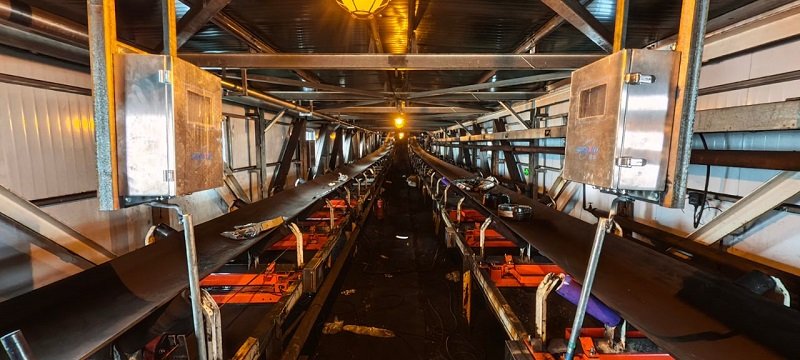
5. Installation and Maintenance Procedures
- Explosion-proof Type:
- Qualification Requirements: Installation, disassembly, and maintenance personnel usually need to undergo specialized explosion-proof safety training and possess corresponding qualifications (such as an electrician's explosion-proof certificate).
- Operating Procedures: Any operations (including installation, commissioning, and maintenance) conducted in hazardous areas must strictly comply with safety procedures: ensure gas detection has been conducted and the area is confirmed safe (if required), use specified explosion-proof tools, prohibit live opening of covers or plugging/unplugging (unless the equipment is designed for maintenance in hazardous locations and follows specific procedures), ensure all explosion-proof joint surfaces are clean and undamaged upon restoration, sealing components are intact, and bolts are tightened as required (torque must meet standards).
- Documentation Records: Detailed records of the installation and maintenance process must be kept, including the model numbers and certification numbers of explosion-proof components used, wiring checks, sealing checks, and grounding test results.
- Ordinary Type: Installation and maintenance follow conventional mechanical and electrical equipment operating procedures, mainly focusing on operational safety and equipment integrity, with no special explosion-proof safety operating and qualification requirements.
The installation of explosion-proof electronic belt scales centers on "safety certification" and "risk control." Compared to ordinary electronic belt scales, it is not just a difference in the equipment itself but also a manifestation of a complete set of strict safety specifications and control measures throughout the installation process. From precise regional classification, matched explosion-proof equipment selection, specialized explosion-proof cables and sealed connections, to extremely strict grounding systems and operation and maintenance procedures, every aspect of explosion-proof belt scale installation aims to eliminate the possibility of ignition sources and ensure safe and reliable measurement in environments with potential explosion risks.