In today's rapidly evolving Industry 4.0 era, intelligent manufacturing has emerged as a significant driving force for industrial upgrading. With continuous technological advancements, traditional production methods are gradually transitioning towards intelligence and automation, particularly in heavy industries such as steel and chemicals.
Automation control technology has become a key means to enhance production efficiency, optimize resource allocation, and reduce production costs. Against this backdrop, the integration of automatic weighing feeders with intelligent ingredient control systems provides powerful "digital and intelligent" empowerment for production line upgrades, serving as the core impetus for industry transformation.
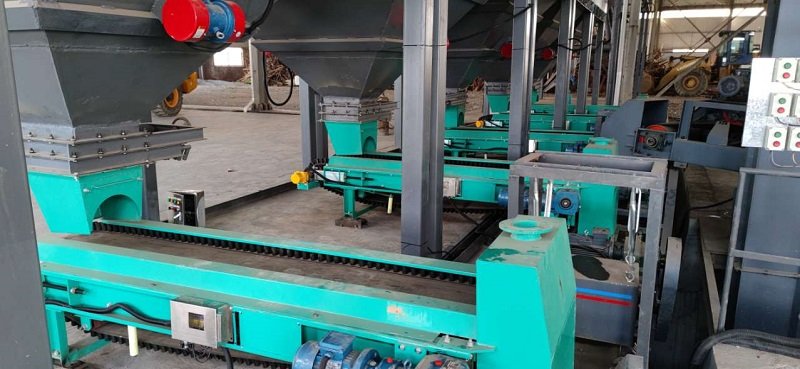
Automatic Weighing Feeder: The Precise and Efficient Hardware Foundation for Production Ingredient Control
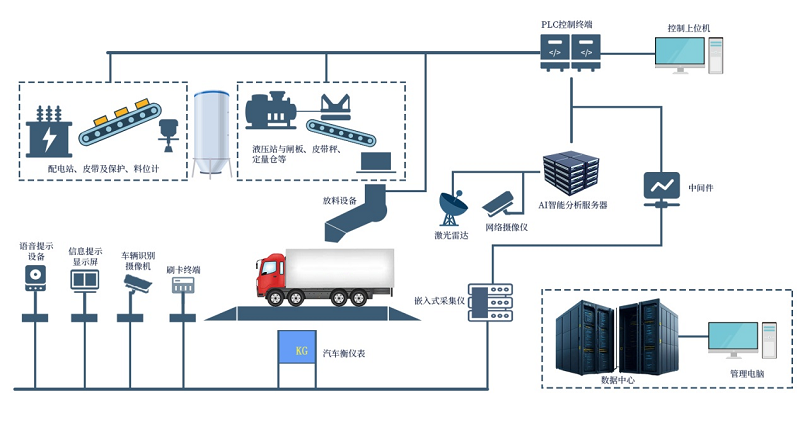
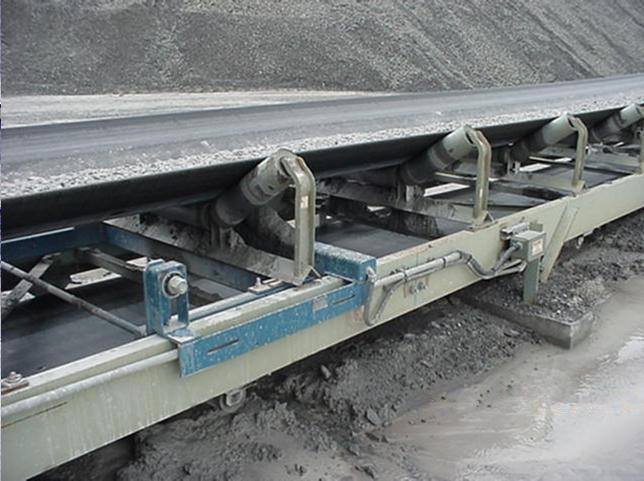
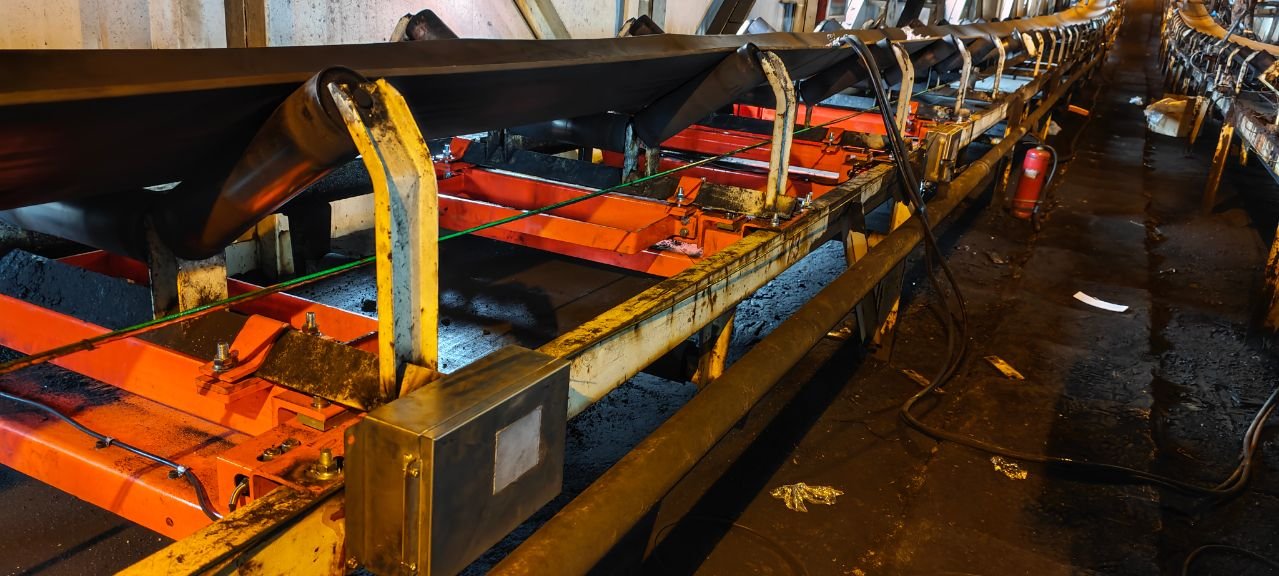
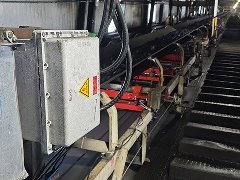
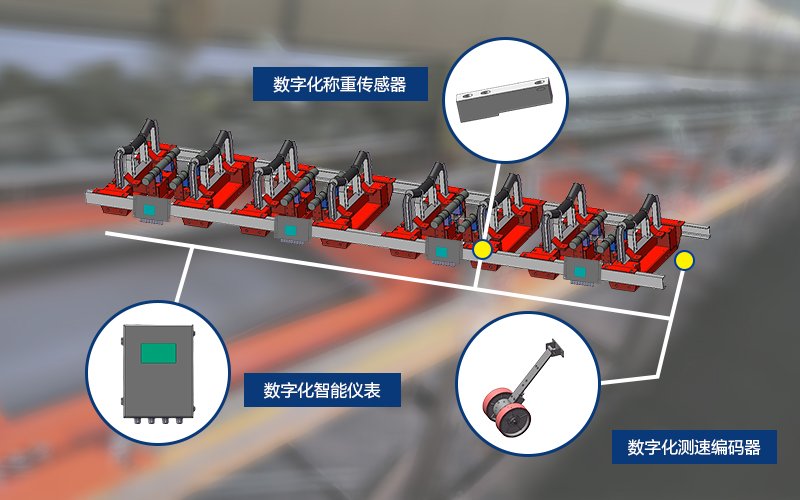
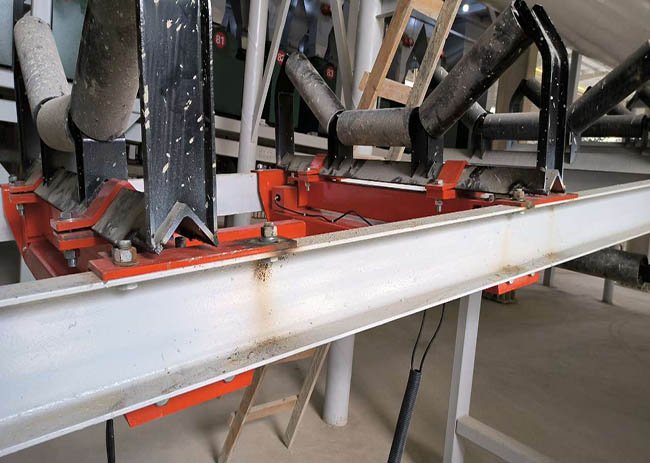
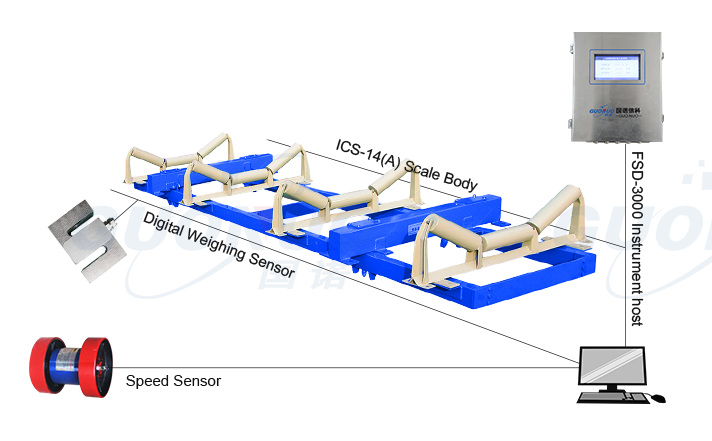
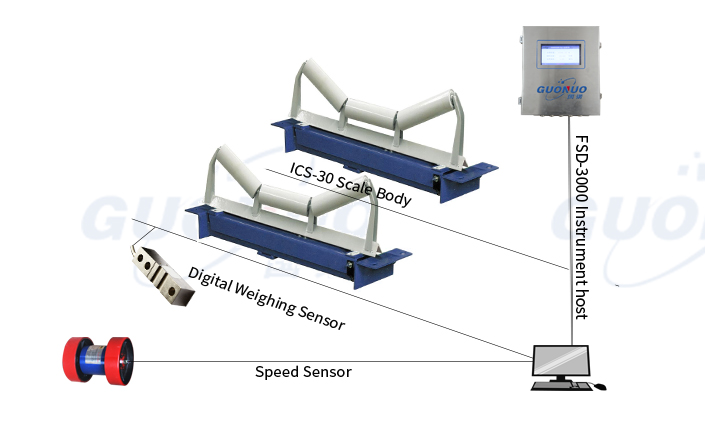
As the "eyes" and "hands" of an intelligent production line, the automatic weighing feeder employs high-precision sensors and advanced algorithms to monitor and precisely control the dosage of each raw material in real-time.
This technological application significantly improves the accuracy of ingredient dosing, eliminating errors and fluctuations that may occur during manual ingredient control, and ensuring a stable supply of production raw materials.
Simultaneously, the automatic weighing feeder supports the simultaneous proportioning of multiple materials, enhancing the precision of material dosing while avoiding the labor intensity and safety hazards associated with manual operations.
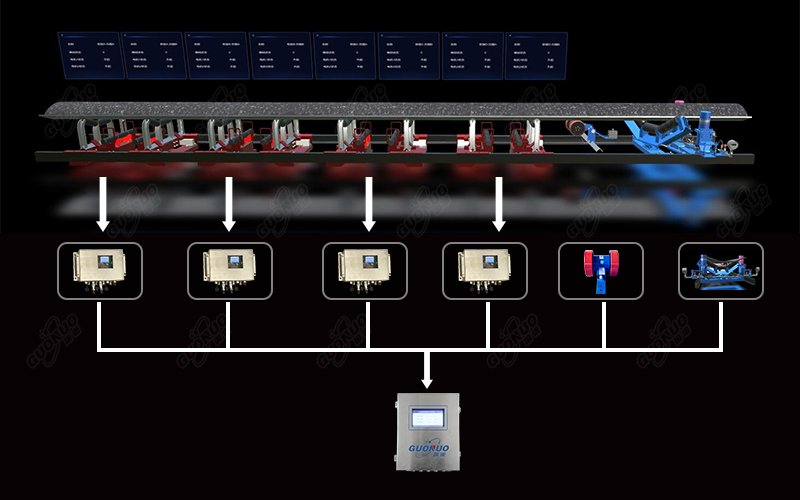
More importantly, it seamlessly integrates with intelligent ingredient control systems, enabling real-time data transmission and analysis to provide effective data support for subsequent management decisions.
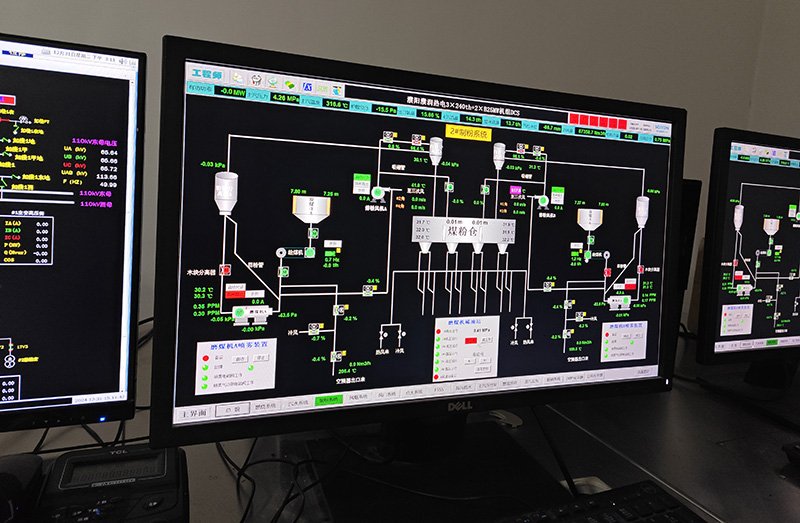
Intelligent Ingredient Control System: The Intelligent Brain for Controlling Production Ingredient Processes
If the automatic weighing feeder is the "precise executor" on the production line, then the intelligent ingredient control system can be regarded as the "intelligent brain" controlling the production ingredient process.
On traditional production lines, ingredient control often relies on manual scheduling and operation, which not only leads to imprecise ingredient dosing but also results in unstable ingredient quality due to environmental factors (such as humidity and temperature variations) and differences among operators.
The introduction of intelligent ingredient control systems enables complete automation and digitization of the ingredient process, allowing for intelligent optimization based on real-time data feedback. It not only monitors the operational status of each feeder and the entire system in real-time but also provides early warning of fault risks, locates faults, and intelligently offers solutions, enhancing the stability of production line ingredient dosing and reducing maintenance workloads and costs for ingredient hardware and software.
The ingredient control system also enables remote and integrated control and operation of dispersed feeding equipment while providing diverse production reports for management decision-making. Managers can view various data related to the ingredient process at any time through computers or mobile devices, ensuring more stable production line operations.
Digital-Intelligent Integration: Enhancing Overall Efficiency of Production Line Ingredient Control
The deep integration of automatic weighing feeders and intelligent ingredient control systems achieves fully automated and intelligent control from raw material dosing to ingredient completion. This digital-intelligent production method not only significantly improves production efficiency, shortens product production times, but also effectively enhances the consistency and stability of product quality through precise control of raw material proportions.
More importantly, digital-intelligent transformation brings about management changes for enterprises, enabling them to grasp production conditions more accurately through big data analysis, optimize inventory management, and reduce resource waste.
As Industry 4.0 and intelligent manufacturing continue to advance and develop, the application of automatic weighing feeders and intelligent ingredient control systems will become increasingly widespread. Starting from the source, they bring about a qualitative leap to production lines through precise control and intelligent management. With further technological advancements, these systems will integrate with more advanced IoT, big data, and artificial intelligence technologies to achieve even higher levels of intelligence and automation. Production lines will not only be able to adjust automatically but also self-learn and optimize to meet increasingly complex production demands.