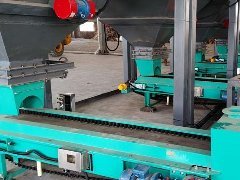
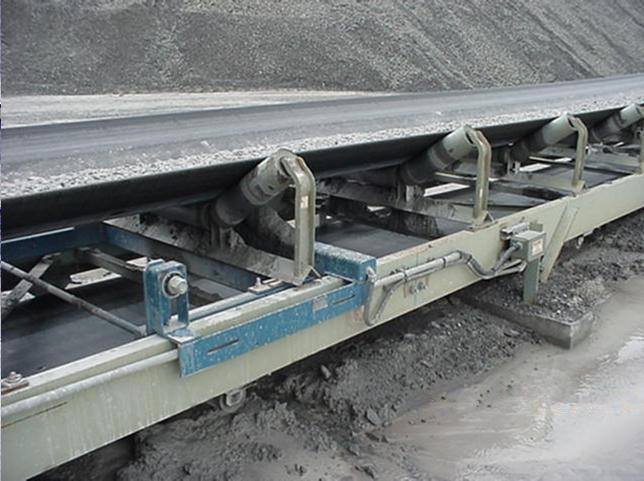
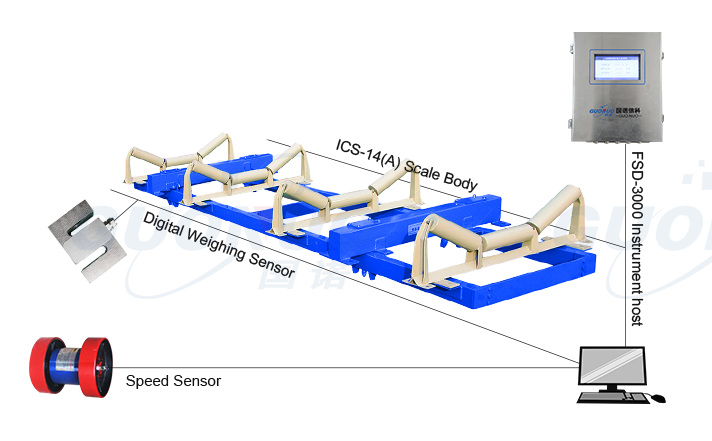
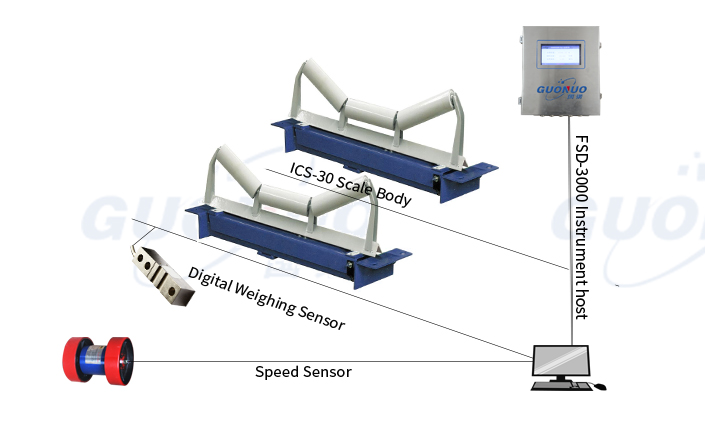
In large-scale bulk material conveying industries such as power, coal, chemicals, and building materials, achieving accurate and reliable material measurement is no easy task. Traditional single belt scales often face inherent limitations such as susceptibility to interference in accuracy, poor long-term stability, and reliance on experienced maintenance, posing persistent "bottlenecks" that affect production refinement management, production monitoring, and cost control.
With the advancement of Industry 4.0 and smart manufacturing, the integrated application of matrix-type high-precision belt scales and AI intelligent weighing management systems provides a systematic solution for bulk material measurement, driving the industry towards precision, intelligence, and unmanned operation.
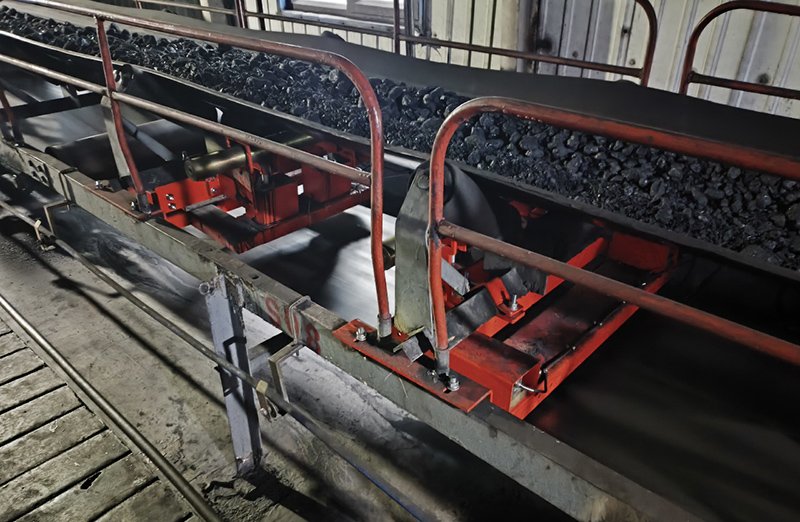
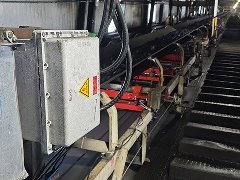
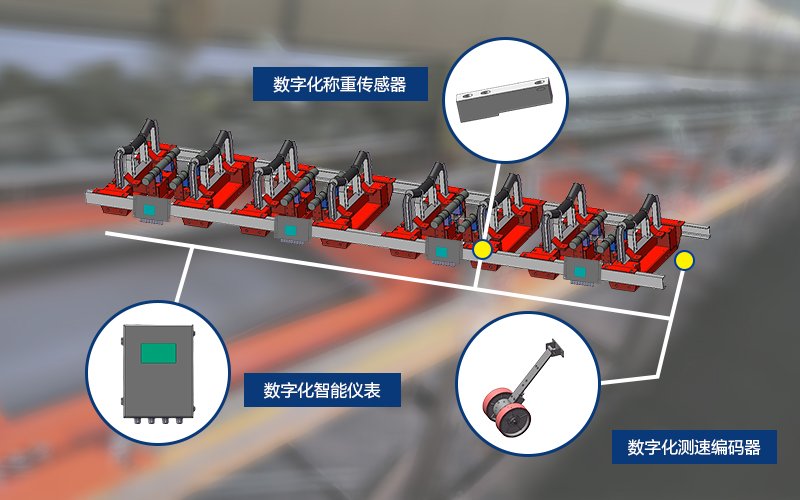
Disruptive Hardware Innovation: Precision Architecture of Matrix-type High-precision Belt Scales
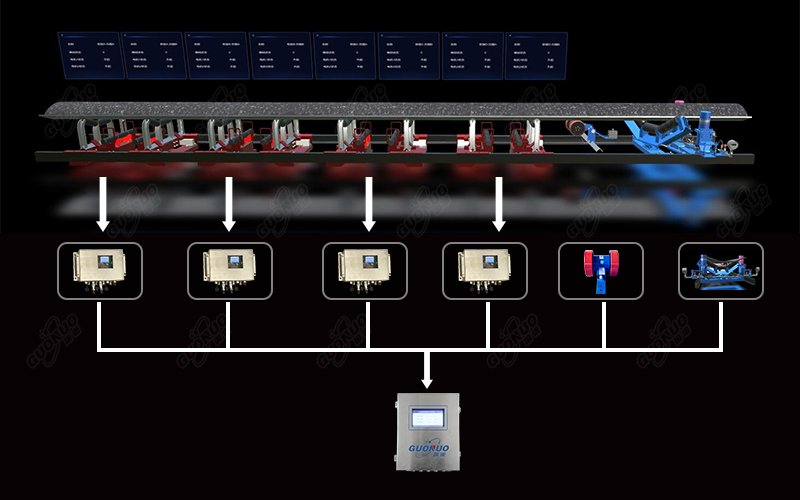
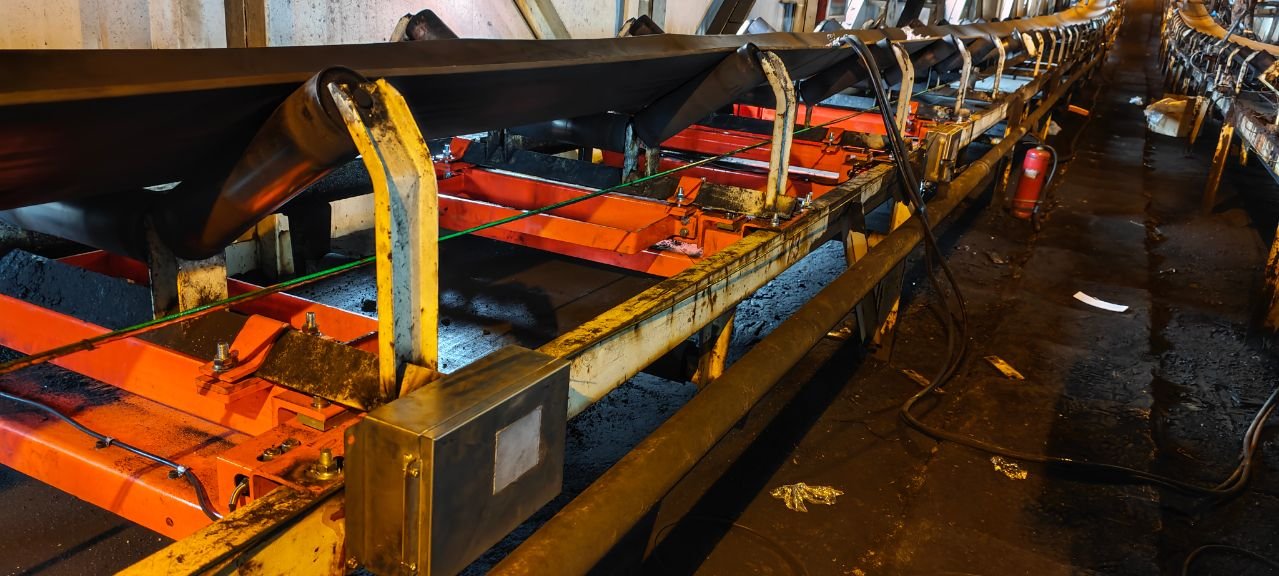
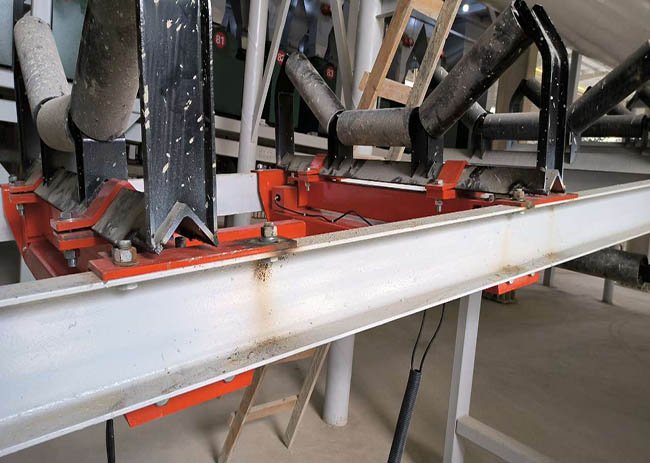
· Distributed Sensing Network: Instead of being limited to a single weighing section, multiple high-precision weighing sensor arrays are integrated at key areas beneath the belt, forming a distributed sensing network.
· Redundant Measurement and Data Fusion: Multiple sensors simultaneously capture belt load signals, eliminating instantaneous errors caused by uneven belt tension, misalignment, or material distribution fluctuations through redundant measurement and complex data fusion algorithms.
· Dynamic Load Analysis: The system analyzes the distribution characteristics of multi-point loads in real-time, intelligently identifying and filtering non-material signal noise caused by mechanical vibrations and impacts, significantly improving instantaneous measurement accuracy and dynamic stability.
· Enhanced Environmental Adaptability: Precise physical structure design and material selection ensure long-term measurement reliability in complex industrial scenarios with dust, vibrations, and temperature and humidity variations.
AI Intelligent Weighing Management System: A Leap from Automation to Intelligence
The integration of AI technology enables belt scales to shift from "passive measurement" to "active management," with functional upgrades evident in four scenarios:
· Adaptive Dynamic Calibration Engine: AI algorithms continuously learn the complex nonlinear relationships between belt operating conditions (speed, tension), environmental parameters, and historical weighing data, constructing dynamic calibration models to compensate for drift in real-time, significantly extending maintenance-free periods and ensuring long-term accuracy stability.
· Intelligent Anomaly Diagnosis and Early Warning: The system monitors key indicators such as scale body zero point, sensor status, and load distribution patterns in real-time, employing pattern recognition technology to proactively detect potential faults like belt misalignment, sensor abnormalities, and material overloading, and pushes early warning information to guide precise maintenance.
· Data Deep Mining and Decision Support: Collected measurement data is interfaced with production management systems to generate real-time reports and trend analyses. By deeply mining the correlation between historical measurement data and production parameters, the AI system can identify potential factors affecting measurement accuracy.
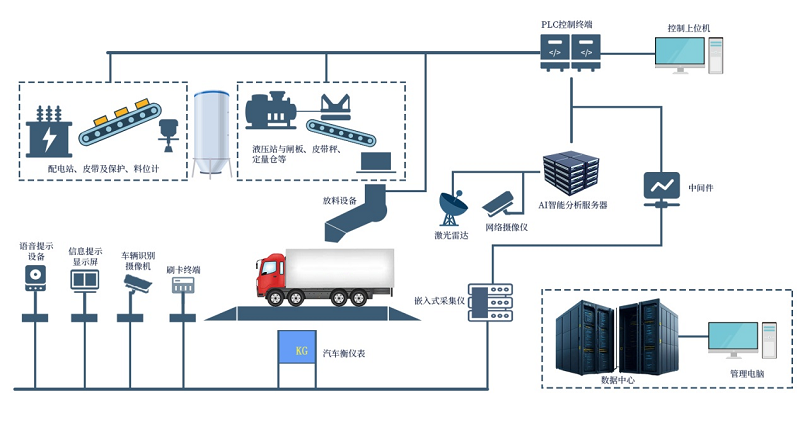
· Smart Platform and Remote Control, Unmanned Management: An integrated platform provides real-time measurement data visualization, historical trend analysis, anomaly alarm logs, equipment health status, etc., enabling fully transparent management of the measurement process and remote intelligent operation and maintenance. For large enterprises with multiple belt scales, "one-person-multiple-machine" management is achieved, significantly reducing equipment maintenance labor costs.
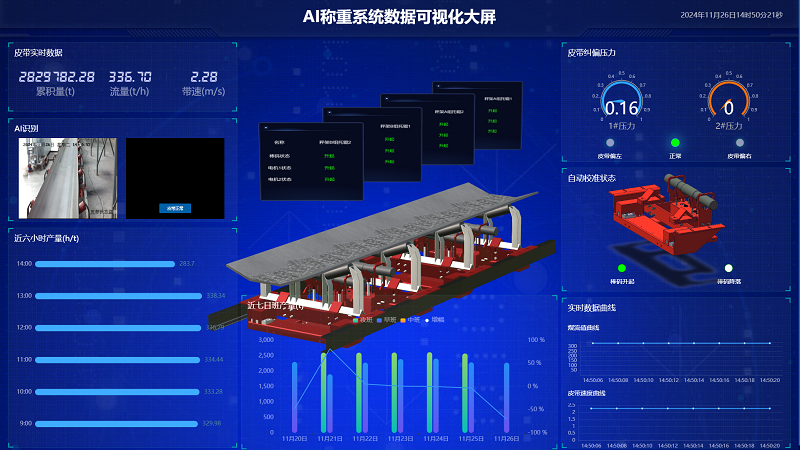
System Integration: A Synergistic Multiplier Effect of 1+1>2
The combination of "matrix-type high-precision belt scales + AI intelligent weighing management systems" is not a simple superposition but a deep-level integration of hardware and software:
· Hardware Provides High-quality Data Sources: The stable, interference-resistant, and multi-point sensing characteristics of matrix-type scales supply reliable, high-dimensional data fuel for AI models.
· AI Deeply Exploits Hardware Potential: AI algorithms fully utilize the correlation characteristics of multi-point data to achieve dynamic calibration accuracy and fault prediction depth unattainable by traditional methods.
· Forms a Closed-loop Measurement Capability: From high-precision data acquisition (hardware) to intelligent analysis optimization and decision-making (software), and ultimately feedback guiding maintenance and process adjustments, a continuously self-optimizing, stable, and reliable closed-loop measurement system is formed.
The integration of matrix-type high-precision belt scales and AI intelligent weighing management systems represents not only a technological iteration but also a revolution in bulk material measurement paradigms in industrial production. Through triple empowerment of "hardware precision + algorithmic intelligence + management digitization," it systematically addresses the core pain points of bulk material measurement, providing critical infrastructure for industrial upgrading and smart manufacturing.