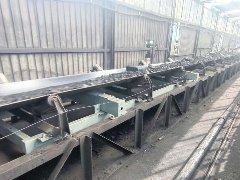
In the vast and continuous flow of materials in mine production, accurately tracking the destination of every ton of ore is undoubtedly crucial for the operation and management of mining enterprises. For a long time, relying on traditional measurement methods such as manual meter reading and periodic settlement, mine managers have often had to estimate within vague ranges, making decisions on shaky ground.
However, the in-depth development and mature application of mine electronic belt scale technology are laying a solid foundation for the growing digital needs of mines—it is no longer limited to providing instantaneous values but has successfully established a measurement system that covers 24-hour continuous operation, high precision, and real-time data sharing.
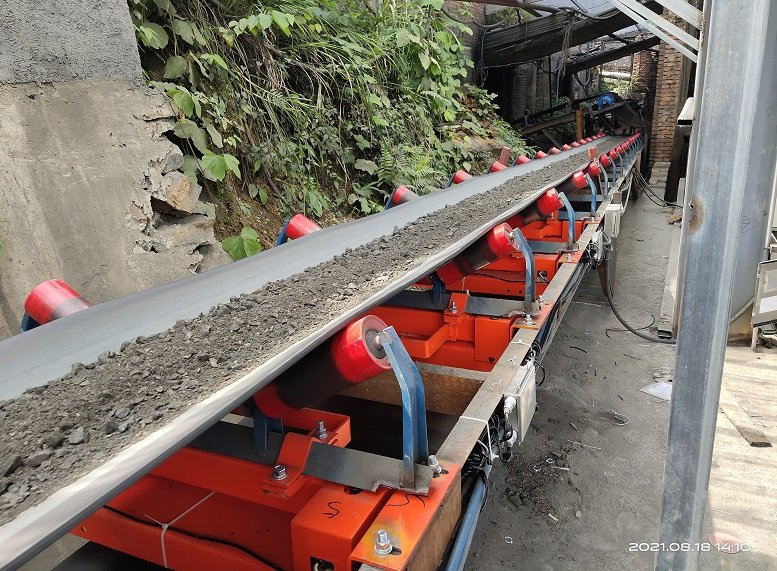
Continuity: All-Weather Sensing of Ore Flow
The characteristics of mine production dictate that material transportation often operates around the clock. Conventional equipment is prone to performance drift and increased wear under prolonged high-intensity operation, leading to measurement interruptions or failures. One of the core missions of the mine electronic belt scale is to overcome this challenge.
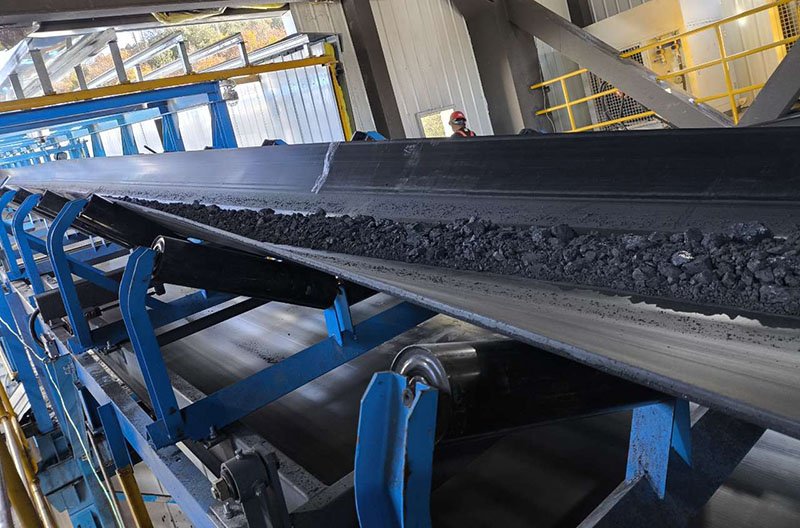
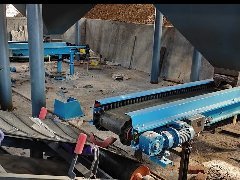
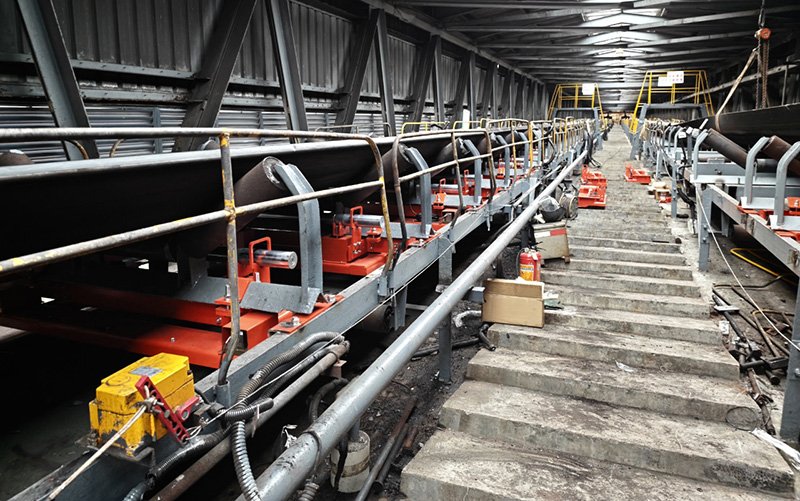
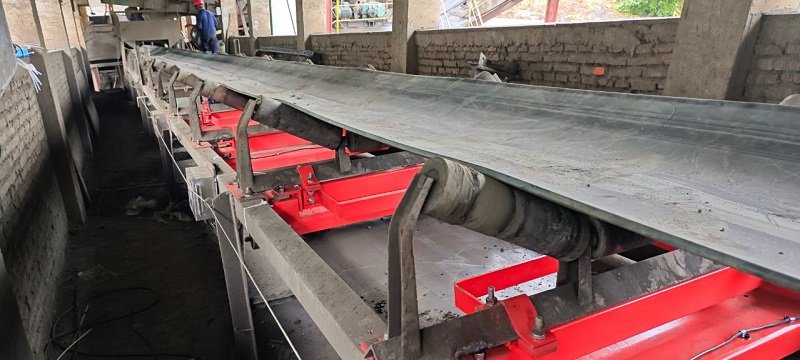
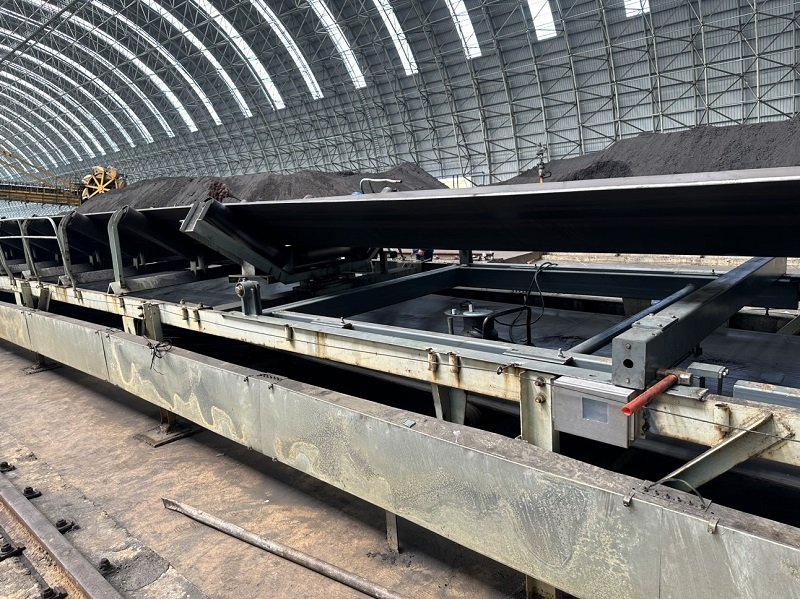
From the outset, its design has focused on adapting to harsh mine conditions: from high-strength scale frame structures to wear-resistant and impact-resistant sensor protection, from optimized idler arrangements to precision-designed speed measurement mechanisms, all with the primary goal of ensuring long-term, uninterrupted operation.
Advanced mine belt scale systems possess robust self-diagnostic and self-adaptive capabilities. Temperature variations, belt tension fluctuations, slight misalignments, and instantaneous overloads—all potential interfering factors are under close monitoring. Intelligent algorithms can identify and actively compensate for the negative impacts of these interferences in real-time, serving as an "invisible guardian" for stable operation. Thus, truly continuous and precise 24-hour measurement becomes a reality, continuously painting a coherent picture of material flow in mine production.
Accuracy: The Cornerstone of Reliable Data
The core value of the mine electronic belt scale lies in the authority of its measurement results. Achieving precise measurement is no easy task, especially in the complex and ever-changing mine environment: differences in particle size, humidity variations, belt mechanical characteristics, and environmental temperature fluctuations all attempt to disrupt measurement accuracy.
Modern mine belt scales overcome these challenges through multiple technological synergies:
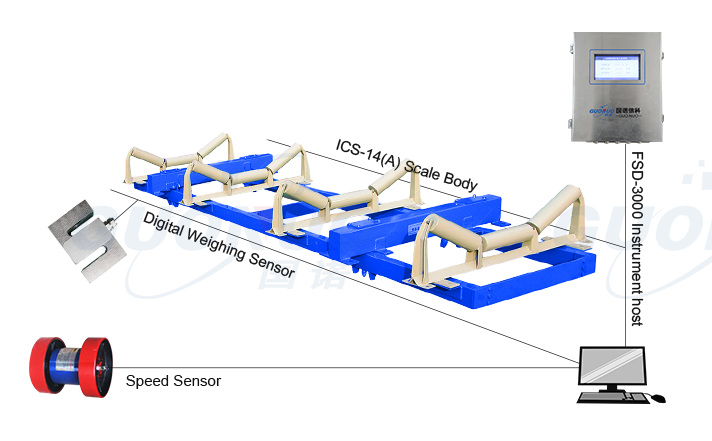
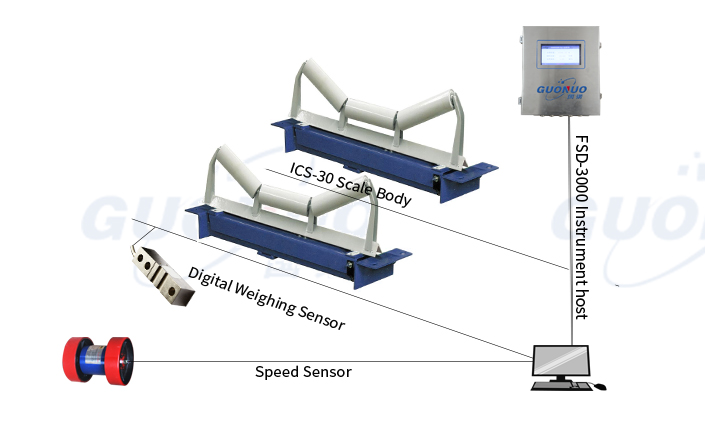
1. High-Precision Multi-Sensor Fusion: Utilizing multiple high-sensitivity weighing sensors (such as double shear beam types) to form a measurement array, combined with precision mechanical structure designs (such as multi-idler suspended scale frames and matrix-type scale frames), effectively disperses loads, suppresses eccentric loading effects, and significantly enhances overall stability and measurement accuracy.
2. Precise Speed Measurement: Speed signals are a core element in calculating flow rates. High-performance digital speed sensors ensure accurate capture of belt running speeds, avoiding errors introduced by traditional slippage measurement methods.
3. Intelligent Data Processing Hub: The core instrument is equipped with a powerful processor running complex algorithms based on national standards for measurement. Advanced digital filtering techniques effectively eliminate high-frequency mechanical vibration noise interference, while dynamic zero-point tracking technology continuously calibrates the reference point. Intelligent material flow models adaptively compensate based on actual operating conditions, collectively forming a robust defense line for measurement accuracy.
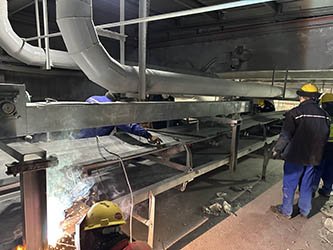
4. Rigorous Calibration and Verification System: In addition to regular calibration using high-precision physical chain codes and circulating chain codes, modern belt scale systems also offer online zero-point and interval verification functions. For example, the Guonuo Technology intelligent matrix belt scale can be configured with standard bar codes for online automatic calibration, allowing at any time verification of equipment status and ensuring that the measurement process remains controlled and trustworthy.
Data Sharing: Driving Digital Mine Decision-Making
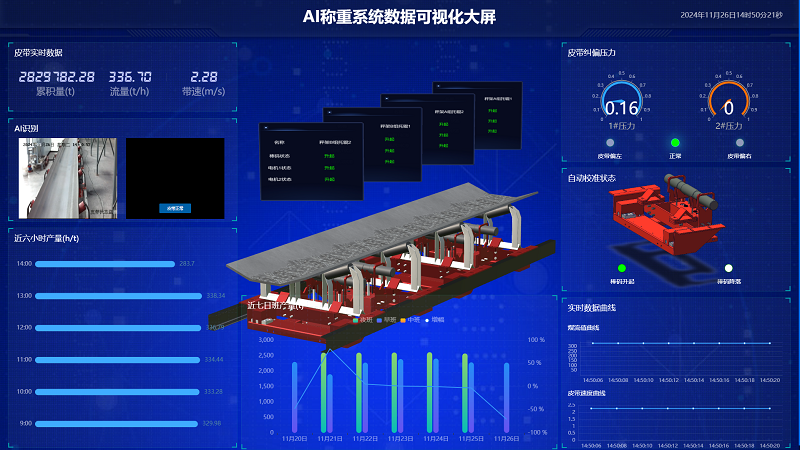
The true value of the mine electronic belt scale extends beyond merely providing data; it lies in its efficient data flow capabilities. Traditional measurement data is often confined to local instruments or isolated recording systems, limiting its full potential. Modern mine belt scale systems serve as important sensing nodes in the mine industrial Internet of Things:
1. Open Interfaces and Communication Protocols: Core measurement instruments come standard with industrial interfaces such as RS485 and Ethernet, supporting universal industrial communication protocols like Modbus TCP/IP, ensuring seamless integration of measurement data into existing mine PLC, DCS, or production monitoring systems.
2. Open Platform Access: Through standard APIs or adherence to specific industry data standards, key data such as real-time flow rates, cumulative amounts, operating status, and diagnostic information from mine belt scales can be easily pushed to higher-level mine production management systems (MES), enterprise resource planning systems (ERP), and even cloud-based big data platforms.
Mine electronic belt scale technology has long transcended the dimension of a mere weighing and measurement tool, becoming an indispensable infrastructure in the digital and intelligent transformation of mines. It meets the demands of all-weather continuous production operation with rock-solid stability, captures changes in ore flow with precision "sensory nerves," and integrates accurate and reliable data into the intelligent systems of mine operations with an open and interconnected stance.