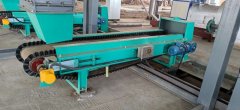
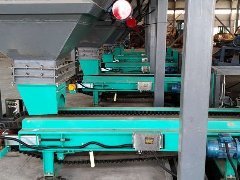
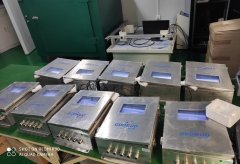
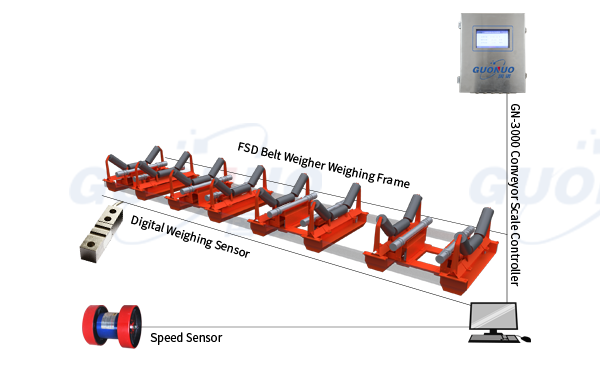
In the field of industrial bulk material continuous conveying and measurement, electronic belt scales serve as core weighing equipment, with their measurement accuracy directly impacting production efficiency, cost accounting, and quality management. However, in practical applications, the accuracy of electronic belt scales is susceptible to multiple factors, including mechanical structure, environmental interference, material characteristics, and dynamic weighing algorithms.
Facing this complex challenge, Guonuo Technology, leveraging years of technological accumulation, has constructed a multi-dimensional solution from the perspectives of system design, intelligent compensation, and process optimization, providing high-precision and high-stability measurement guarantees for the industry.
1. Structural Design and Process Optimization: Laying a Solid Foundation for Accuracy
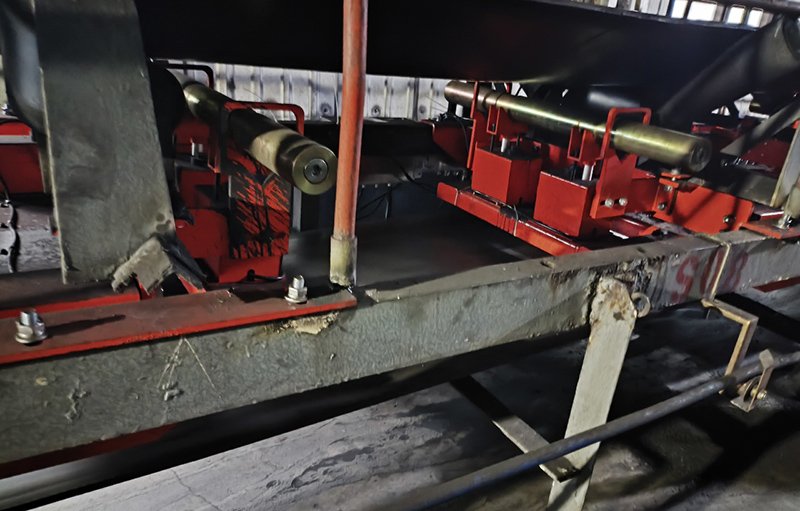
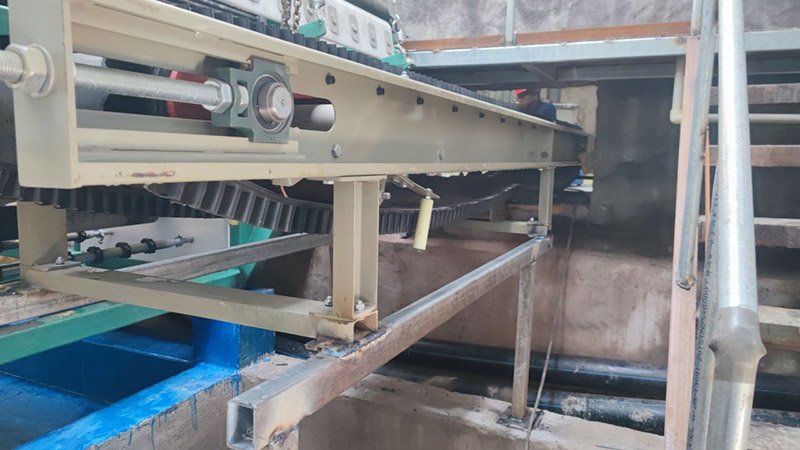
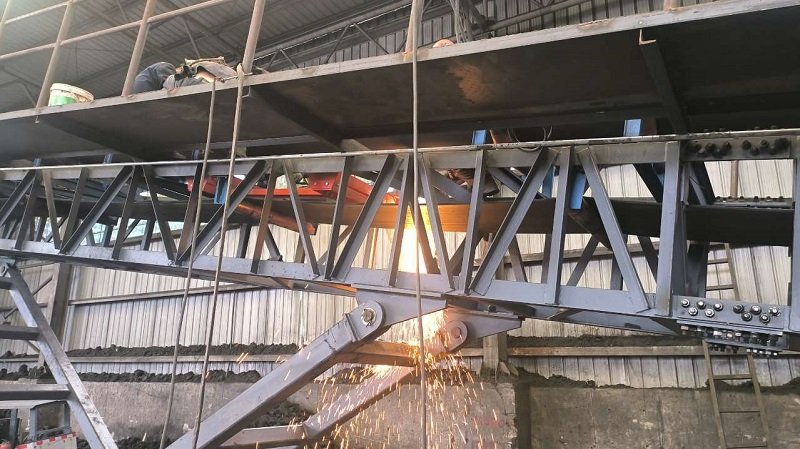
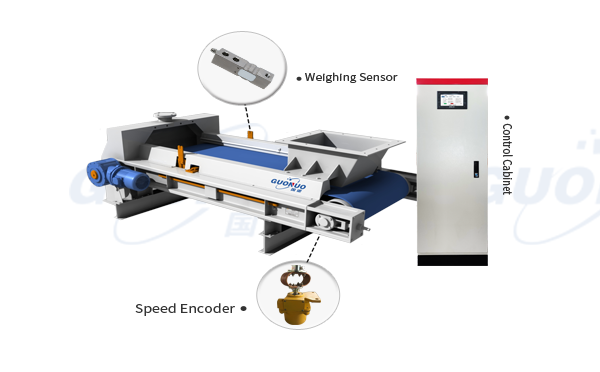
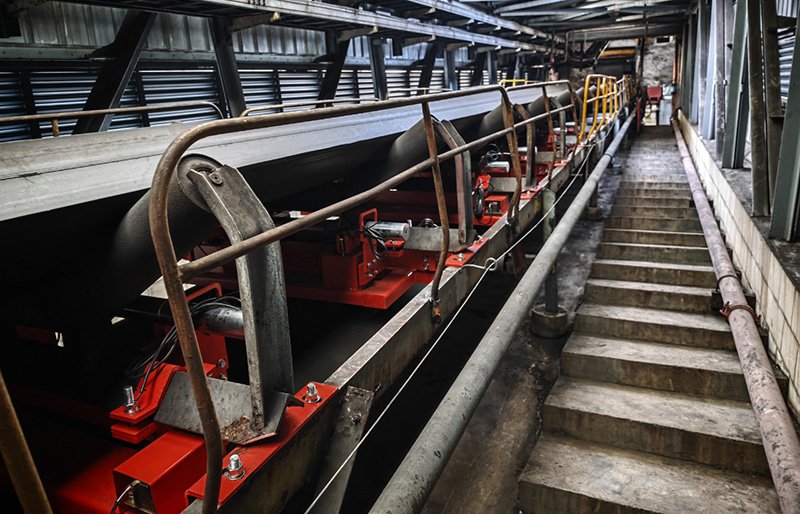
Guonuo Technology starts from the underlying design of the equipment, reconstructing the mechanical and electrical systems of the electronic belt scale. In terms of mechanical structure, a high-rigidity lightweight frame and modular design are adopted to reduce interference with the load cells caused by belt tension fluctuations, misalignment, and mechanical vibrations.
The weighing bridge employs an integrated casting process, combined with a multi-sensor redundant layout, effectively balancing load distribution and reducing the impact of local stress on data acquisition.
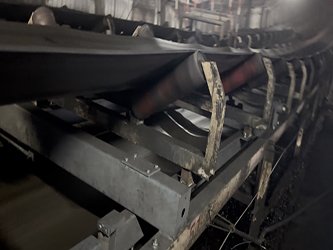
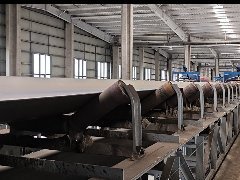
Additionally, self-developed low-friction idler sets and adaptive misalignment correction devices minimize sliding friction between the belt and idlers, ensuring smooth material conveyance.
2. Dynamic Compensation Algorithm: Breaking Through Environmental Interference Bottlenecks
To address environmental factors such as temperature drift and electromagnetic interference, Guonuo Technology has developed an intelligent compensation model based on multi-physical field coupling. The system incorporates high-precision temperature sensors to continuously collect environmental parameters, establishing a nonlinear relationship between sensor output signals and environmental variables through deep learning algorithms, enabling millisecond-level dynamic compensation.
Furthermore, electromagnetic shielding design and digital filtering techniques are employed to effectively suppress electromagnetic noise generated by frequency converters, high-power motors, and other equipment, ensuring the purity of signal transmission.
3. Intelligent Calibration and Collaborative Control: Reconstructing the Measurement Ecosystem
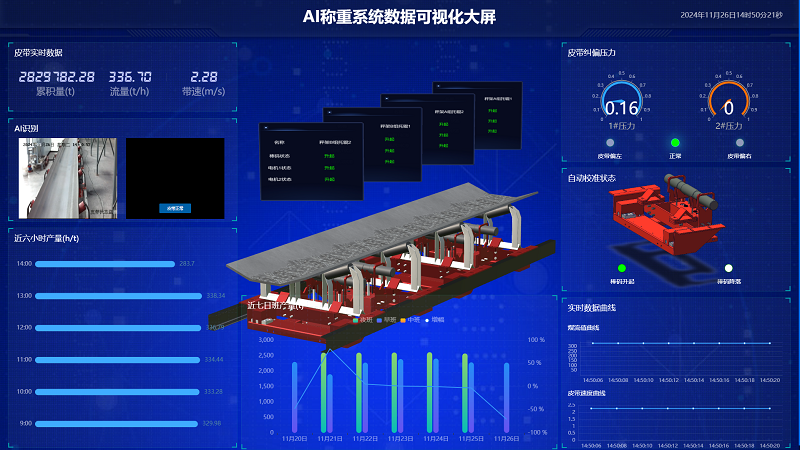
To overcome the pain points of traditional manual calibration, such as low efficiency, high error rates, high costs, and time-consuming downtime, Guonuo Technology has introduced an AI-driven automatic calibration system. This system utilizes standard barcodes, AI cameras, and other standard instruments for collaborative control, combining measurement result analysis and machine vision to identify belt operation status.
Two sets of weighing results are compared to complete full-range multi-point calibration without stopping the machine. Calibration data is intelligently analyzed via a cloud platform, automatically generating compensation coefficients and synchronizing them to the control system, reducing calibration time to less than 30% of traditional methods.
Additionally, through data interfaces and communication protocols, deep integration with industrial systems such as DCS and MES is achieved, enabling closed-loop optimization of measurement data and production processes.
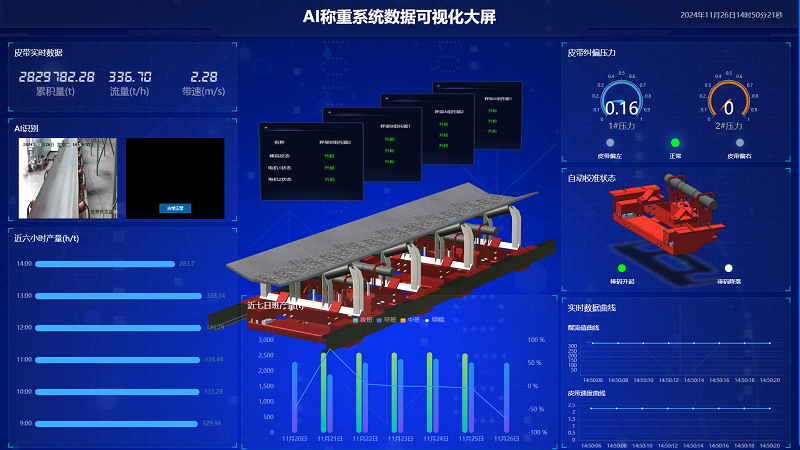
4. Intelligent Operation Monitoring and Diagnosis: Automatic Adjustment of Belt Tension and Misalignment
The entire operation process and components of the belt scale are continuously monitored and intelligently analyzed, enabling rapid identification of specific fault information and quick troubleshooting, enhancing overall measurement stability.
By adjusting the drive and guiding devices, uniform belt tension during operation is ensured, and belt misalignment is promptly corrected, preventing abnormal belt operation from affecting measurement accuracy. This allows the electronic belt scale to maintain a relatively stable working state during operation, thereby improving measurement accuracy.
Faced with numerous factors affecting the measurement accuracy of electronic belt scales, Guonuo Technology has successfully resolved these issues through a series of technological innovations and service optimizations, achieving dual breakthroughs in "hard technology + soft power" and enhancing equipment stability and accuracy.
In the future, Guonuo Technology will continue to strive for technological innovation and service improvement, driving the continuous development of electronic belt scale technology and providing more precise and efficient measurement solutions for customers across various industries.