In cement production, the precision of raw material proportioning, the stability of equipment operation, and the intelligence of production management are core elements that determine product quality, production efficiency, and management standards.
Traditional manual weighing and mechanical feeding methods are susceptible to environmental interference, human error, and equipment aging, leading to issues such as uneven feeding caused by differences in material flowability and batch quality fluctuations. The introduction of automatic weighing feeders effectively resolves multiple pain points in cement production through technological innovation and system optimization.
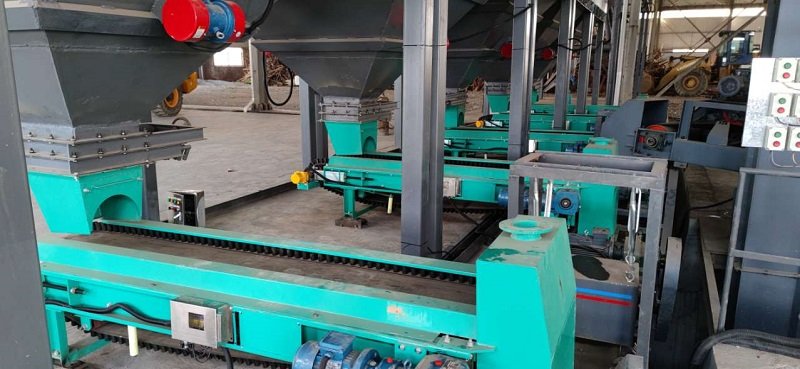
Pain Point 1: The Challenge of Precision in Ingredient Proportioning, Bidding Farewell to Quality Fluctuations
Traditional volumetric or manually adjusted feeding methods are greatly affected by changes in material properties (such as particle size, humidity, and flowability), making it impossible to ensure continuous and stable precise measurement.
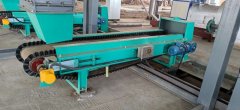
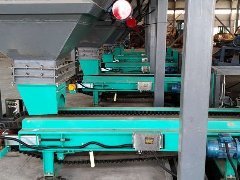
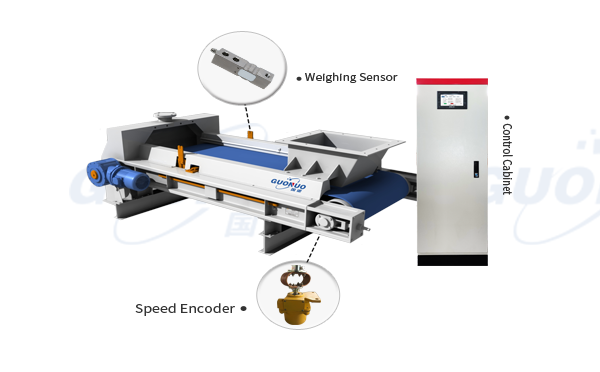
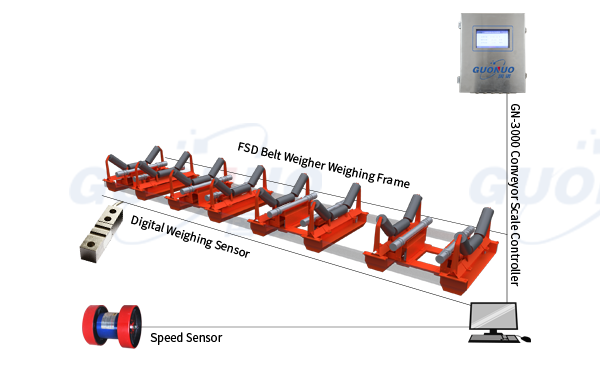
This "vague" feeding directly causes deviations in raw material proportioning from optimal settings, becoming the root cause of unstable clinker quality and strength fluctuations. Automatic weighing feeders, equipped with sensitive "sensory" intelligent systems, utilize real-time, high-precision dynamic weighing sensors (such as high-precision weighing modules or belt scales), combined with advanced algorithms and digital technology, to monitor and adjust material flow on a millisecond basis (e.g., variable frequency speed control belts or screws), achieving true closed-loop control. They minimize proportioning errors, laying a solid foundation for stable production of clinker that meets high standards.
Pain Point 2: Concerns about Production Stability, Resolving Fluctuations and Interruptions
Manual operations rely on experience and have delayed responses, adjusting slowly to minor changes in material properties, resulting in fluctuating flow rates. Additionally, traditional equipment lacks intelligent warnings, making it impossible to predict malfunctions such as blockages or material shortages, which can only be addressed through passive shutdowns, severely disrupting production schedules.
Automatic weighing feeders integrate stable and reliable control systems (PLC/DCS), which can not only respond instantaneously to changes and stabilize flow rates quickly but also proactively identify potential abnormal trends (such as sudden drops in flow rate, abnormal proportioning, or sensor failures) through preset parameters and algorithms.
This is equivalent to equipping the production line with an all-weather "warning radar," effectively reducing unplanned shutdowns and ensuring continuous operational stability and overall production efficiency.
Pain Point 3: The Agony of Dust Dispersion, Protecting a Clean Environment
Cement raw materials are mostly powdery or granular, and traditional open or simply sealed feeding points are one of the main sources of dust pollution on the production line. Dispersed dust not only worsens the working environment and endangers employee health but also causes unnecessary material losses.
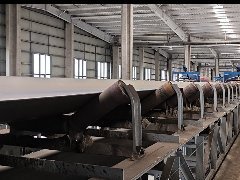
For materials prone to leakage and dust emission, automatic weighing feeders place great emphasis on "sealing" in their design, adopting optimized guide chutes, sealing skirts, negative pressure suction interfaces, and other structures, or configuring spiral tube conveying, combined with precise control to reduce material spillage.
This is like putting a tight "dust mask" on the source of dust emission, significantly improving the cleanliness of the work area and strongly supporting the construction of green factories.
Pain Point 4: The Burden of Maintenance and Operation, Enhancing Efficiency and Economy
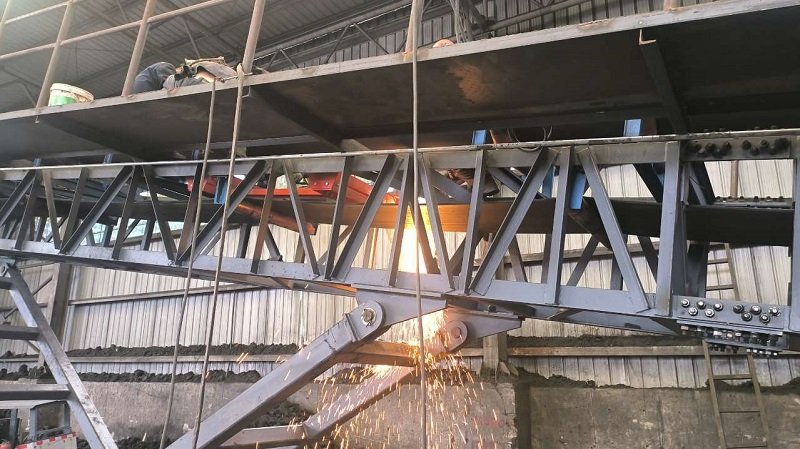
Early equipment had complex structures, cumbersome calibration processes, difficult fault diagnosis, and maintenance that was time-consuming and labor-intensive, relying on highly skilled technicians. Frequent maintenance windows also squeezed valuable production time. Modern automatic weighing feeders advocate for a "modular" and "intelligent" design philosophy.
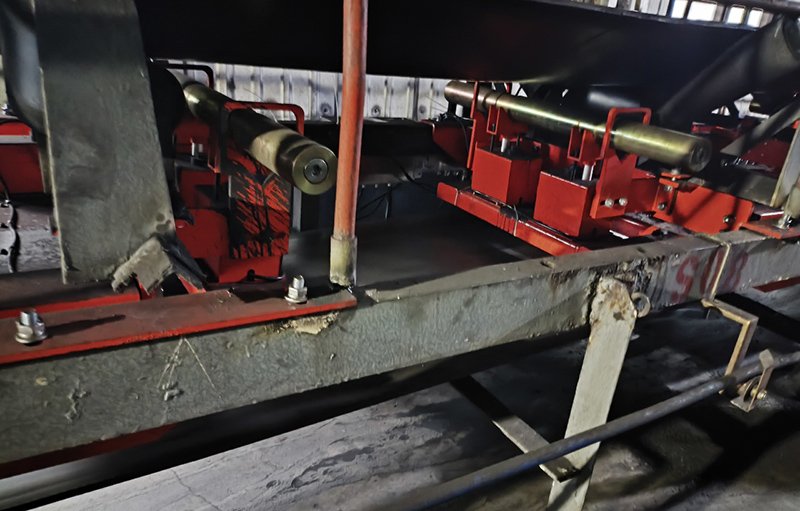
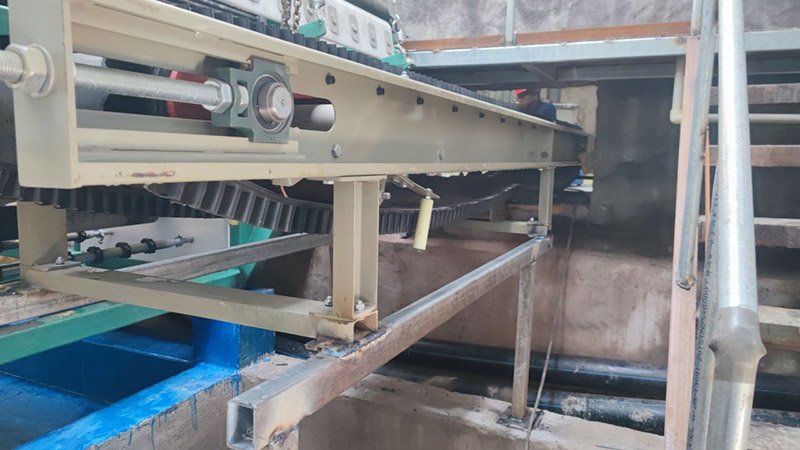
The core sensor units are highly reliable, with simplified calibration processes; the intelligent control system provides remote monitoring and diagnostic capabilities, enabling maintenance personnel to locate problems more quickly; and the structural design facilitates the replacement of key components. This greatly reduces maintenance intensity, shortens downtime, and improves equipment availability and comprehensive operational efficiency.
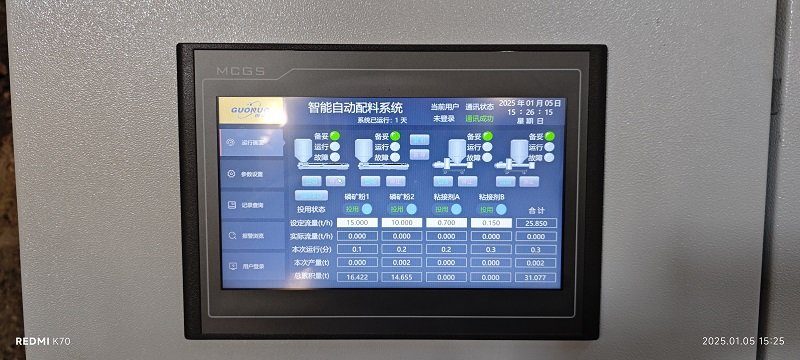
Pain Point 5: The Mystery of the Data Black Box, Illuminating Process Transparency
Traditionally, the feeding process was like a "black box," lacking objective and continuous recording of actual flow rates, fluctuations, and deviations from targets. Operations relied on experience, making optimization impossible.
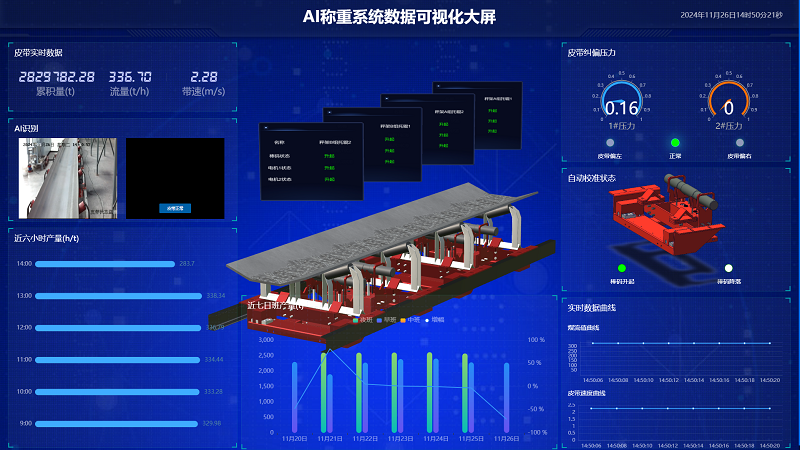
Automatic weighing feeders, on the other hand, possess a high degree of informatization and are natural "data producers." They continuously upload valuable data such as real-time flow rates, cumulative amounts, operational status, and alarm information to the factory control system.
This high-granularity data illuminates the proportioning process, providing a solid and reliable basis for in-depth analysis of process bottlenecks, continuous optimization of proportioning parameters, and implementation of refined energy management.
Automatic weighing feeders have long surpassed the role of mere measuring tools. With their core values of precision, stability, intelligence, cleanliness, and efficiency, they have become indispensable core equipment for modern cement production lines to achieve high-quality, high-yield, low-consumption, and environmentally friendly goals. They have successfully resolved the precision, stability, environmental protection, maintenance, and data shortcomings that have plagued cement production for many years.