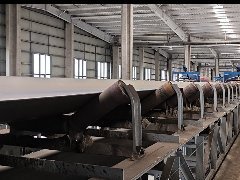
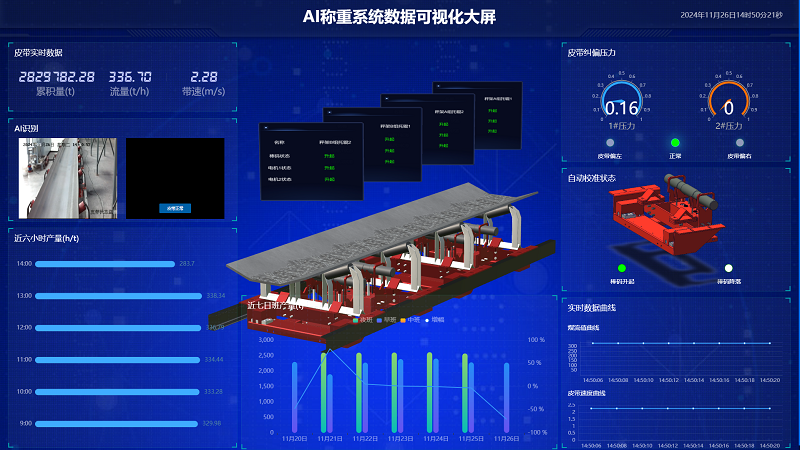
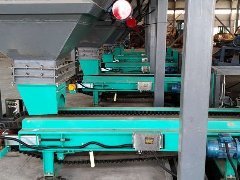
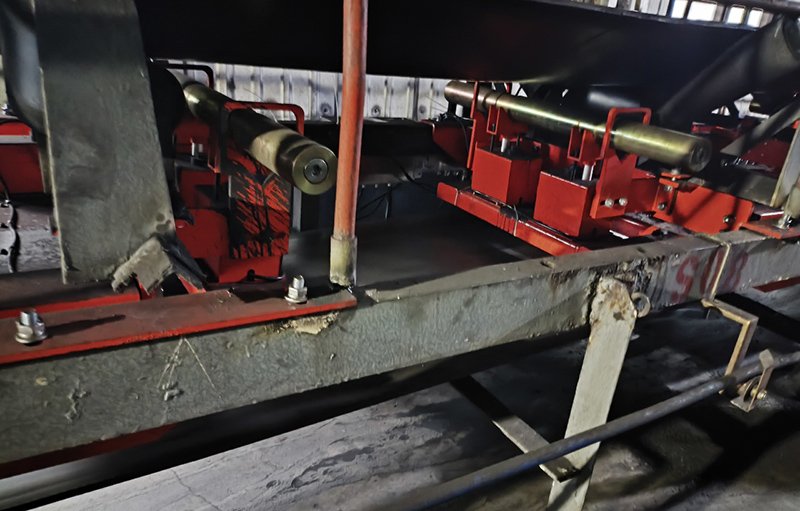
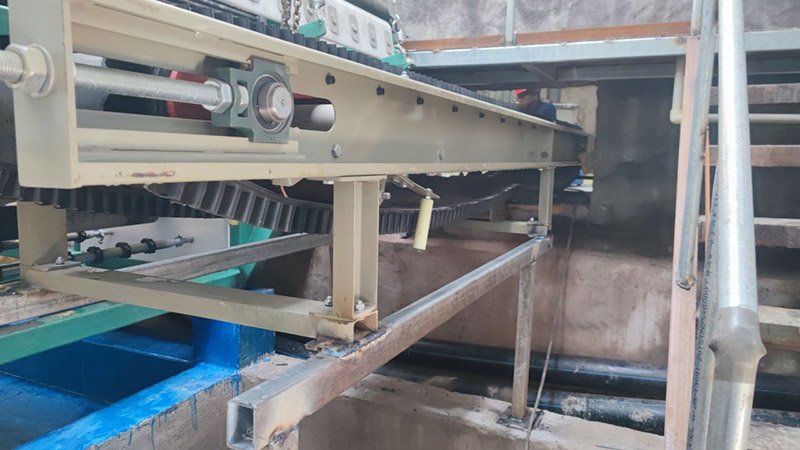
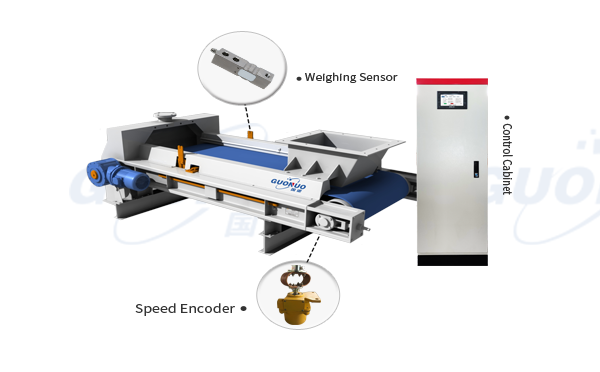
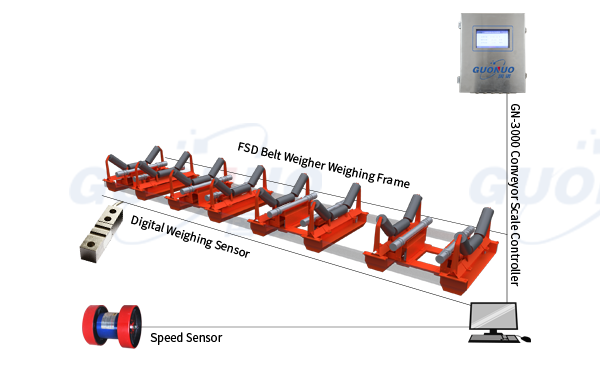
The structural feature of the multi-roller double-lever electronic belt scale lies in its adoption of multiple sets of weighing rollers and two sets of symmetrical levers. In practical applications, it exhibits higher measurement accuracy and better stability compared to single-roller electronic belt scales. Under favorable application conditions, the multi-roller double-lever electronic belt scale can achieve a measurement accuracy of 0.5%.
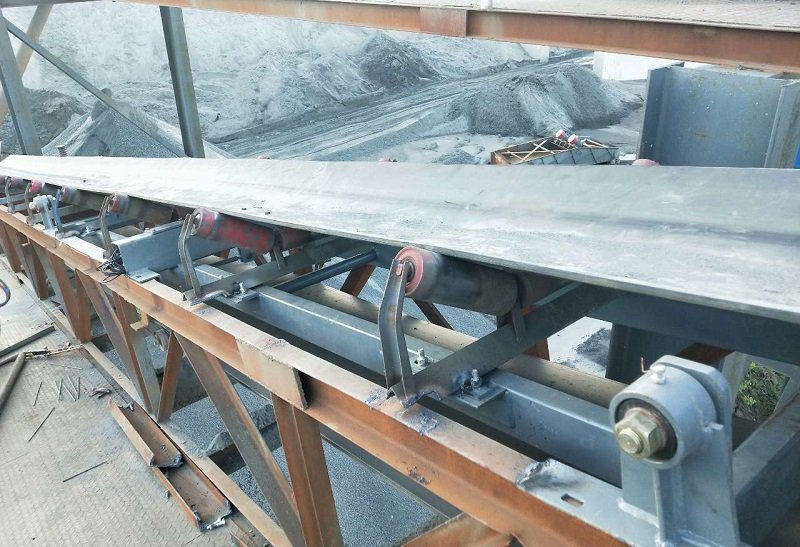
The main reasons for its high weighing accuracy are:
(1) Adopt a symmetrical double-lever structure
When the belt conveyor is operating, the moments exerted on the two fulcrums of this scale frame by horizontal forces such as belt tension are in opposite directions, cancelling each other out. This can reduce or even completely overcome the impact of these forces on weighing accuracy.
(2) Effective weighing segment length
The multi-roller dual-lever weighing roller has two or more groups, which significantly extends the effective weighing segment length compared to the single-group roller scale frame structure.
One of the advantages of the extended effective weighing segment length is that the scale frame is long and sturdy, with good overall performance and improved resistance to interference. The second advantage is that it can act like a "filter" for uneven material flow. The third advantage is that the weighing sensor is subjected to greater force, enhancing stability.
(3) Easy calibration of scale frame
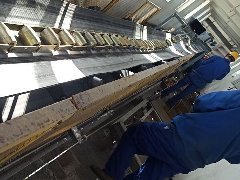
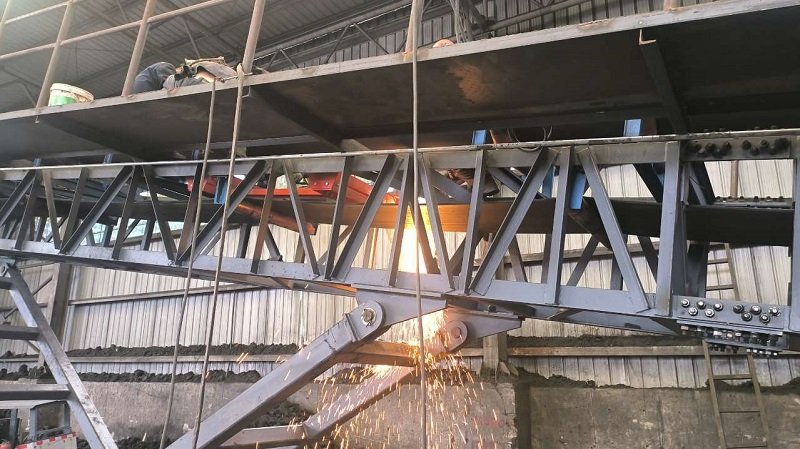
The weighing roller and the transition roller of the single roller are respectively fixed on the scale frame and the longitudinal beam of the belt conveyor. During installation, calibration should ensure that the corresponding parts of these rollers and the adjacent groups of rollers are all aligned. This calibration is difficult to perform on site, and the standard conditions may change during use.
For multi-roller dual-lever scale frames, the transition roller and the weighing roller are usually mounted on the same set of levers, and their calibration is determined by the manufacturer. During on-site installation, only the height difference of the rollers adjacent to the scale frame needs to be adjusted. The calibration errors of these rollers during installation and changes during use have minimal impact on the accuracy of measurement.