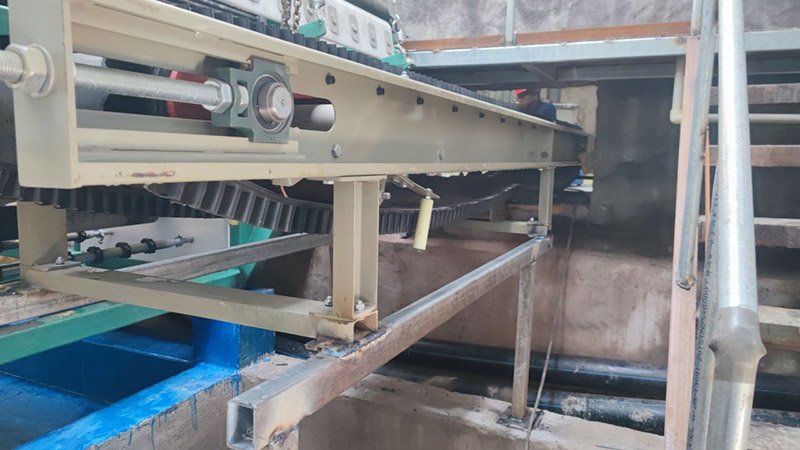
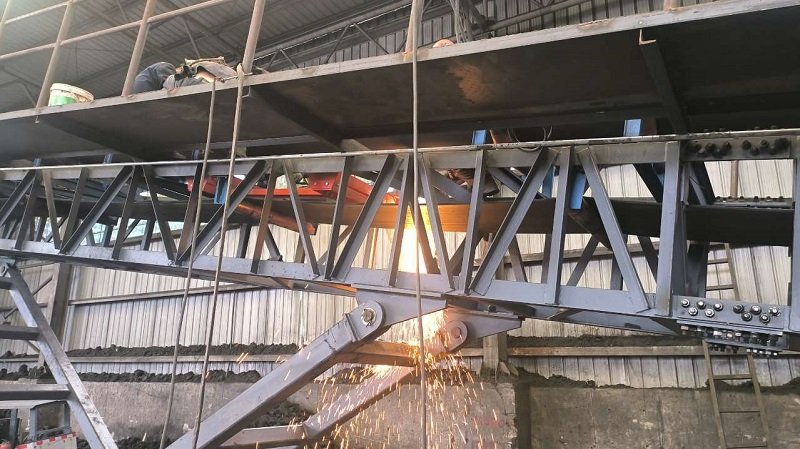
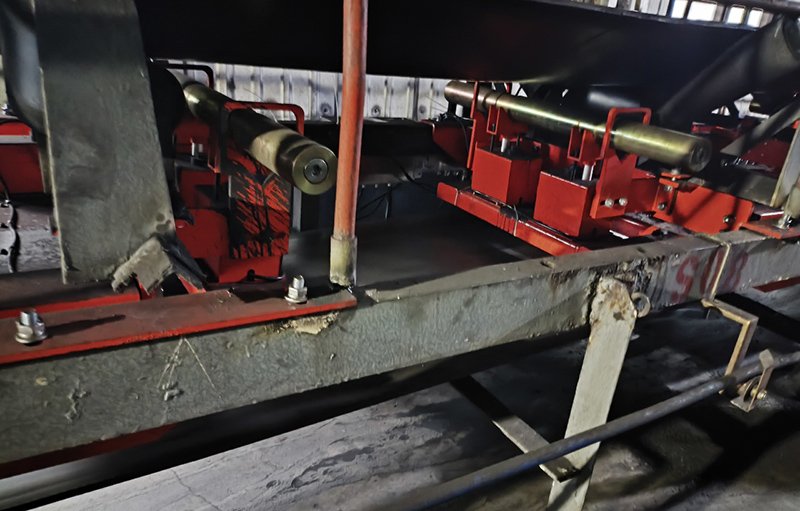
ICS electronic belt scales are crucial weighing instruments for dynamic weighing in the transportation of industrial bulk materials. They boast high weighing efficiency, simple structure, and convenient operation. However, due to their operation in harsh industrial environments and their inherent high sensitivity, they are susceptible to environmental and other factors during the measurement process. To enhance the measurement accuracy and maintain the stability of ICS electronic belt scales, it is necessary to adopt corresponding measures and countermeasures.
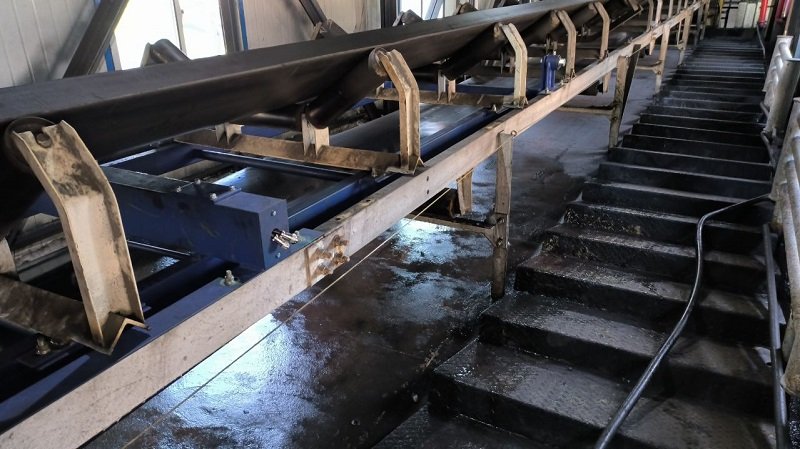
Countermeasures to improve the measurement accuracy of ICS electronic belt scales:
(1) Install correctly and reasonably to minimize installation errors. For users, it is advisable to request the belt scale manufacturer to conduct on-site installation and commissioning to reduce the impact of improper installation. In daily work, regularly check the changes in zero indication to ensure that errors such as uneven belt weight, tension changes in the no-load belt, and initial straightness of the idlers are within the specified range.
(2) Take measures to reduce electromagnetic interference, such as using equipment as far away from electrical devices like motors and frequency converters as possible, ensuring that shielded cables are reliably grounded, and that all electrical connections of instruments are secure and waterproof. The joint parts should be protected from water and dust.
(3) Coping with weather changes. Measures such as protective covers should be applied to components like belt scale instruments and sensors to reduce the impact of adverse weather.
(4) Each shift should conduct at least one belt zero calibration. If there are belts or rollers, the relevant parameters of the instruments need to be promptly modified and recalibrated.
(5) Utilize an uninterrupted power supply to ensure the electronic belt scale operates under stable voltage conditions, thereby minimizing the impact of voltage fluctuations on metering. During power outages or equipment maintenance, promptly shut down the metering equipment and only restart it once normal production has resumed.
(6) On-site personnel should keep the electronic belt scale frame clean and perform zero calibration promptly after each cleaning of the scale frame.
(7) Regularly inspect the belt conveyor frame and the weighing bridge of the belt weigher, especially the belt conveyor frame, as deformation of the belt conveyor frame can easily cause deformation of the weighing bridge of the belt weigher. If the belt conveyor frame or the weighing frame of the belt weigher is found to be deformed, it should be corrected in a timely manner.
(8) Timely remove the sticky material on the belt. Scraping devices can be installed at the belt's support rollers and tail wheels to automatically remove the sticky material and prevent it from sticking.
(9) Calibrate the belt weigher correctly and reasonably. Under the condition that physical calibration is allowed, physical calibration can be carried out once every 1-2 months.
(10) Establish a reasonable inspection system, ensure timely recording and feedback after inspections by personnel, and promptly inform relevant responsible persons in case the issues cannot be resolved by themselves.