In cement, grain and oil production enterprises, continuous weighing and quantitative feeding of bulk materials are crucial for stabilizing the production process, ensuring production efficiency, and ensuring product quality.
To achieve the above objectives, it is necessary that the belt weighing feeder used in production can first meet the on-site production needs and environment, and can operate continuously and stably to ensure production.
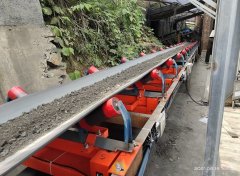
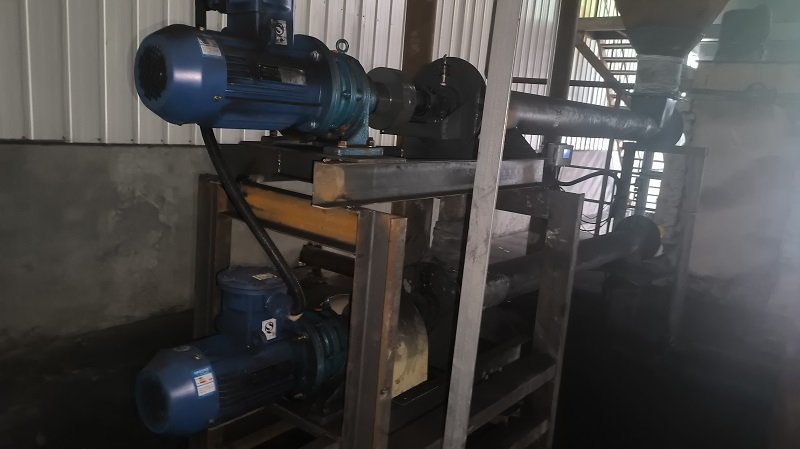
Belt weighing feeder is an ideal equipment for conveying bulk materials, dynamic measurement, and controlling feeding in production. It has a high degree of automation and can effectively improve production efficiency. However, in actual production, it has been found that due to unreasonable design and selection, and even deviations from on-site requirements, the feeder cannot perform at its best during the production process. If you want the belt weighing feeder to fully demonstrate its performance and value in practical applications, the first choice is to select and configure it reasonably and correctly to ensure its on-site adaptability.
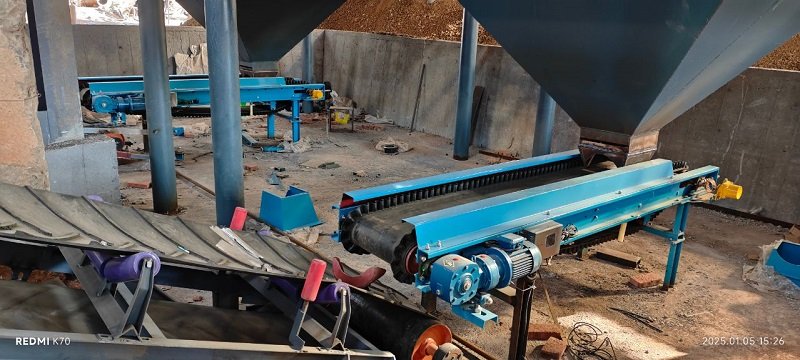
The selection and configuration of the belt weighing feeder depend on the actual needs and working conditions of the production site, including the properties of the materials and the required production capacity. Only by confirming the actual situation on site can the feeder parameters be reasonable, so as to ensure that the feeder can be used normally in future production.
Determine the type and configuration of the belt weighing feeder, including model, belt width, center distance, hopper form, power, and rated output information
(1) Rated output: The rated output of the belt weighing feeder refers to its maximum feeding capacity, which must be determined according to the actual production requirements, depending on the total on-site output, the composition of each material, and the ratio. The rated output must match the actual production demand. If the difference is too large or too small, it will affect the application effect of the feeder in actual production, making the adaptability of the control worse and difficult to meet the production needs.
(2) Belt width: In order to achieve high measurement accuracy and operational stability, it is generally possible to choose a wider and slower belt speed when the process allows. However, for some special materials, such as viscous materials, it is necessary to configure the bandwidth according to actual needs and increase or decrease the bandwidth speed.
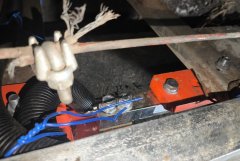
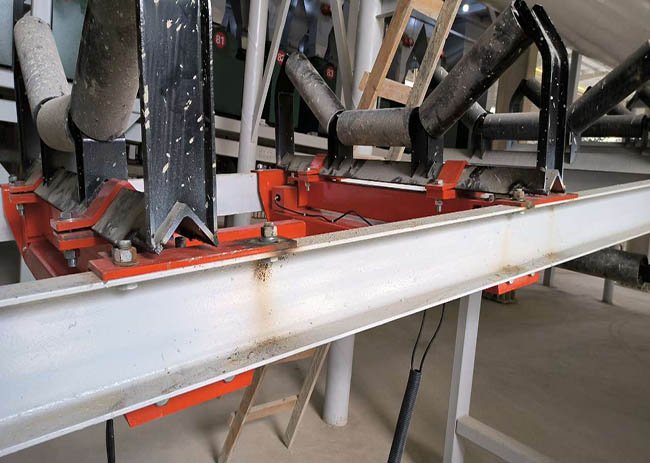
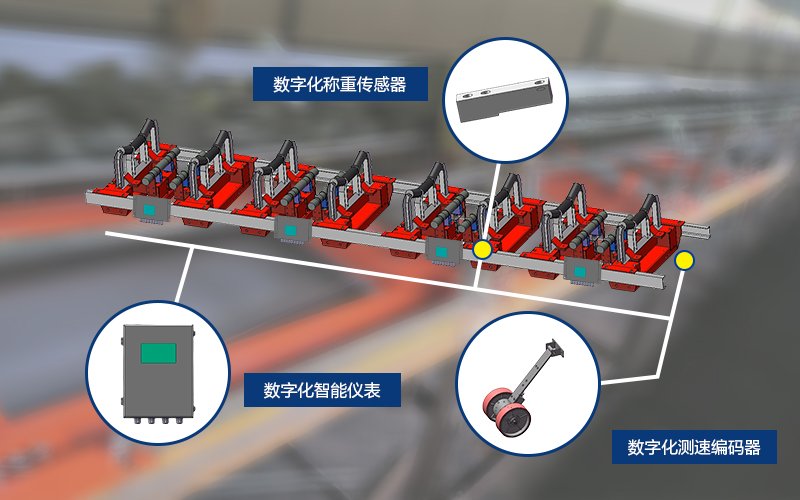
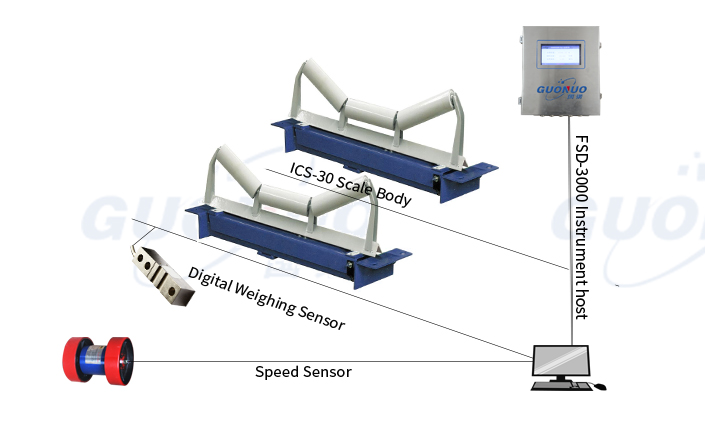
(3) Weighing sensor range: The weighing sensor is one of the key components of the belt weighing feeder, and it is the direct source of material load signals. The correct selection of its range will affect the measurement accuracy of the equipment. The material flow of the belt should be within the range of 20%~80% of the weighing sensor, which can effectively play the role of the weighing sensor and avoid overloading and undersizing. The measuring range of the weighing sensor is too small, which can easily cause overload and damage to the weighing sensor in practical applications; The measuring range of the weighing sensor is too large, which can easily cause inaccurate measurement.
(4) Discharge port height: The discharge port should be determined based on the material flow rate and material characteristics. The height of the discharge port is too high, which can easily cause material flushing and affect the accuracy of measurement; The height of the discharge port is too small, which may cause difficulties in discharging.
(5) Belt speed: The belt speed of the belt weighing feeder is related to many factors such as material flow rate, material characteristics, belt rollers, etc. During the selection and configuration process, it is necessary to reduce the impact of material flow and horizontal tension on the belt. The belt speed should be kept within a certain range, as too fast a speed can have adverse effects on operational stability and measurement accuracy.
(6) Belt material: Different belt materials should be configured according to the characteristics of the materials. For food grade materials, food grade belts are required; High temperature materials require high-temperature resistant belts.
Of course, as a professional manufacturer of industrial bulk material automation measurement and control, Guonuo Technology will have a detailed understanding of customer needs and actual situations, and conduct on-site inspections when necessary to ensure a thorough and detailed understanding of user needs and ensure the correct selection and configuration of belt weighing feeders.