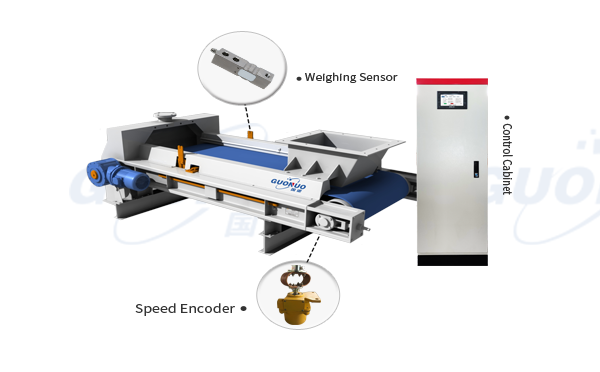
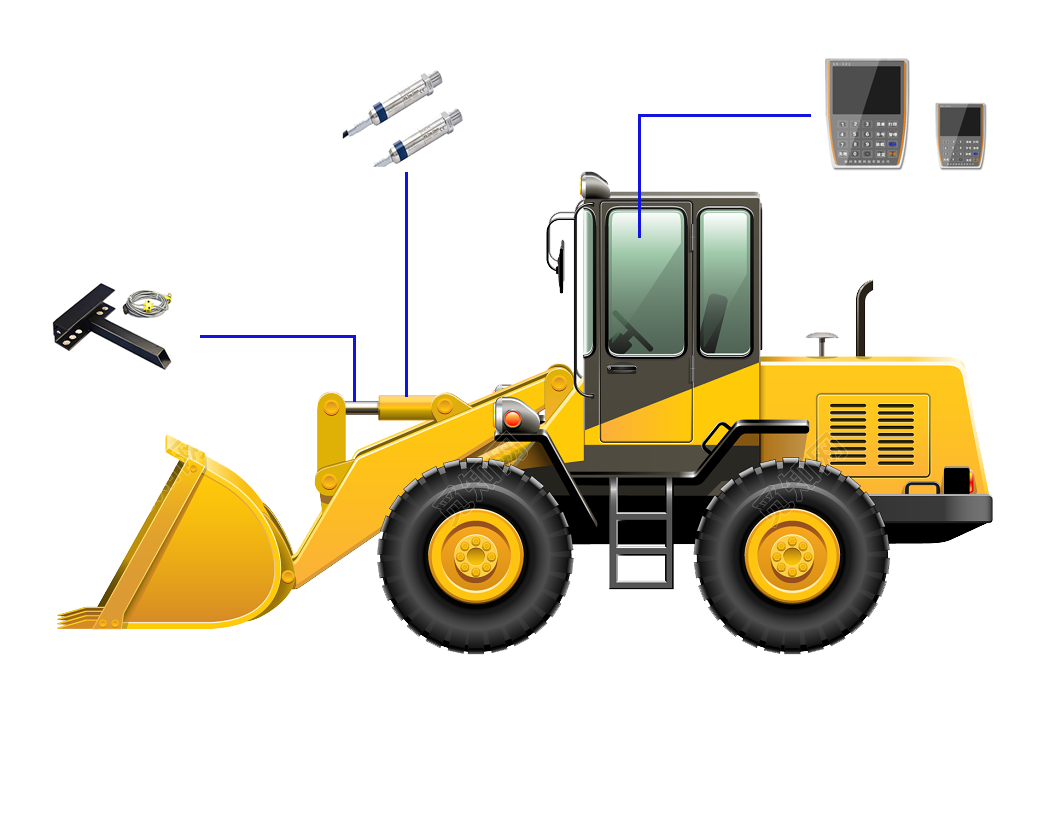
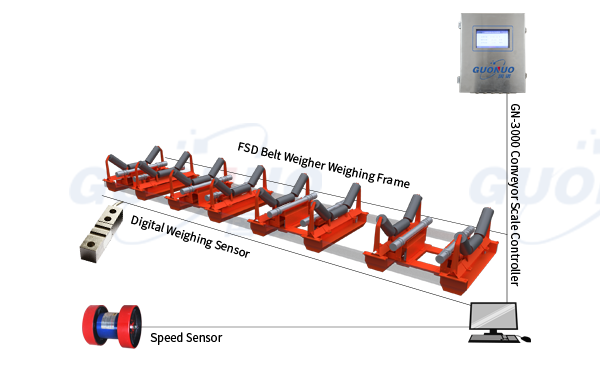
The belt scale is a widely used measuring device in various industries, mainly applied to continuously measure material flow rate, weight, speed and other parameters on belt conveyors. It plays a vital role in the production processes of mining, metallurgy, electric power, chemical and other fields. Regular calibration is essential to ensure the measurement accuracy of belt scales. Calibration not only guarantees the stability and reliability of equipment, but also prevents adverse impacts on production caused by measurement errors.
In simple terms, the calibration of a belt scale is to adjust its measuring system through specified standards and methods, so that the output results are close to the true values. The purpose of calibration is to eliminate or reduce measurement errors and ensure data accuracy. Common calibration methods include material calibration, simulated calibration and on-line calibration, each with specific application scenarios as well as unique advantages and disadvantages.
1. Material Calibration
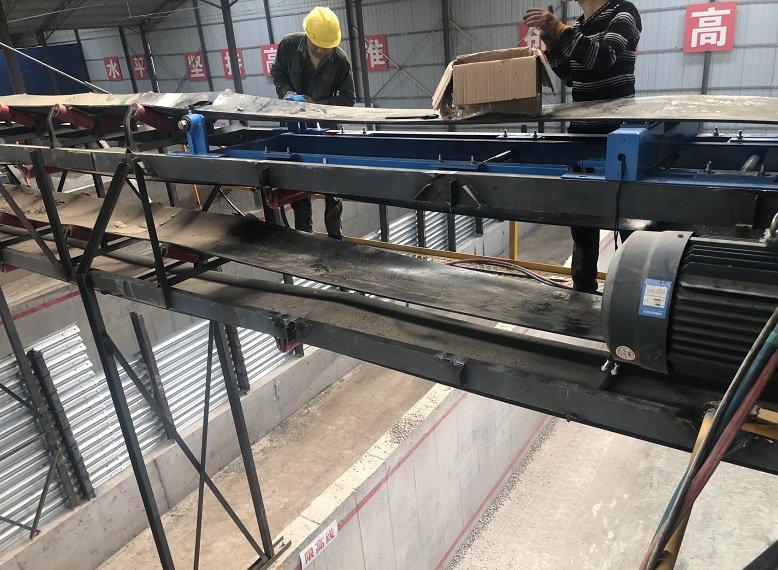
Also known as real material verification, material calibration is internationally recognized as the most accurate method. Its core principle is to select samples with the same characteristics as on-site materials, pre-weigh them with high-precision weighing instruments, then pass them through the belt scale, compare the measured value with the standard weight, calculate errors and adjust parameters. It can truly reflect the actual metering performance of the equipment.
The operation process includes four steps: first, prepare sufficient and uniform materials; second, weigh and record the standard weight with high-precision weighing equipment; third, convey the materials evenly through the belt scale and record the cumulative measured value; fourth, calculate the error and adjust the instrument coefficient until it meets the standard.
Advantages
1. High authority, with accuracy up to ±0.25%~±0.5%, suitable for high-precision scenarios such as trade settlement.
2. Able to fully inspect the overall system performance and detect mechanical faults.
3. Consistent with actual working conditions, delivering high accuracy and stability.
Disadvantages
1. Time-consuming and labor-intensive; shutdown is required, occupying substantial manpower and time.
2. High cost; high-precision weighing equipment is required, along with material consumption and production shutdown losses.
3. Strict requirements for on-site space and material characteristics; not suitable for transporting large quantities of materials in some locations.
4. Complicated operation with high requirements for operator skills.
2. Simulated Calibration
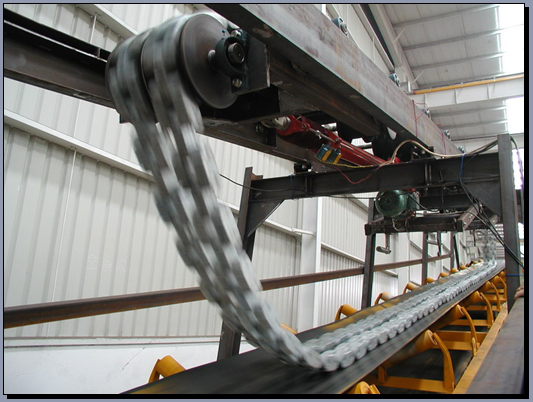
Simulated calibration verifies metering accuracy by simulating material load with standard loads (weights, chain codes) or electronic signals. It requires no actual materials, features simple operation and low cost, and is widely adopted for daily maintenance. It is mainly divided into weight hanger calibration and chain code calibration.
Weight hanger calibration simulates the load by hanging standard weights, and adjusts parameters by comparing instrument display values with theoretical values. Chain code calibration lays chain codes of known weight flat on the belt, and completes calibration by comparing theoretical weight with measured values after the belt runs for full cycles. Generally speaking, chain code calibration is more accurate than weight hanger calibration.
Advantages
1. Fast and convenient; no long-time shutdown needed, minimizing impact on production.
2. Low cost; weights and chain codes are reusable.
3. Wide applicability, not restricted by materials or site space.
4. Low requirements for operator professional skills.
Disadvantages
1. Limited accuracy: ±1%~±2% for weight hanger calibration, and ±0.5%~±1% for chain code calibration, lower than material calibration.
2. Cannot fully simulate actual working conditions, easily causing calibration deviations.
3. Standard loads are prone to wear and corrosion, affecting calibration results.
4. Unable to detect mechanical faults.
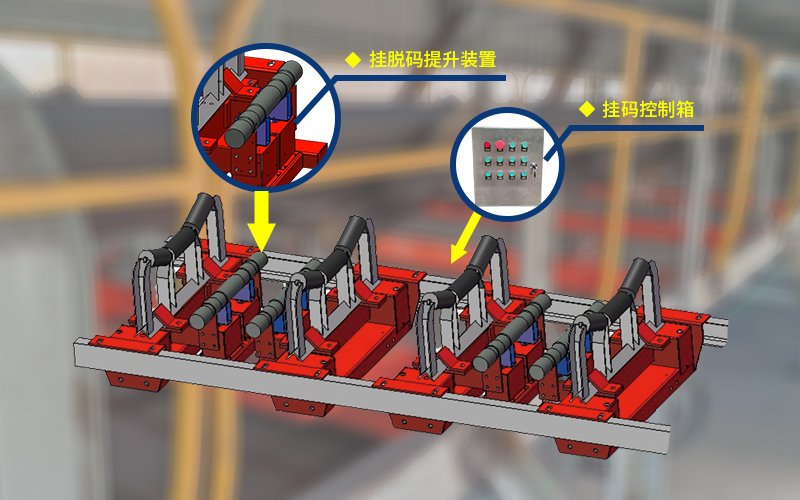
3. On-line Calibration
As an innovative calibration method, on-line calibration realizes dynamic calibration through built-in modules or special devices without shutting down production. Its core advantages are no production interruption and minimal manual operation.
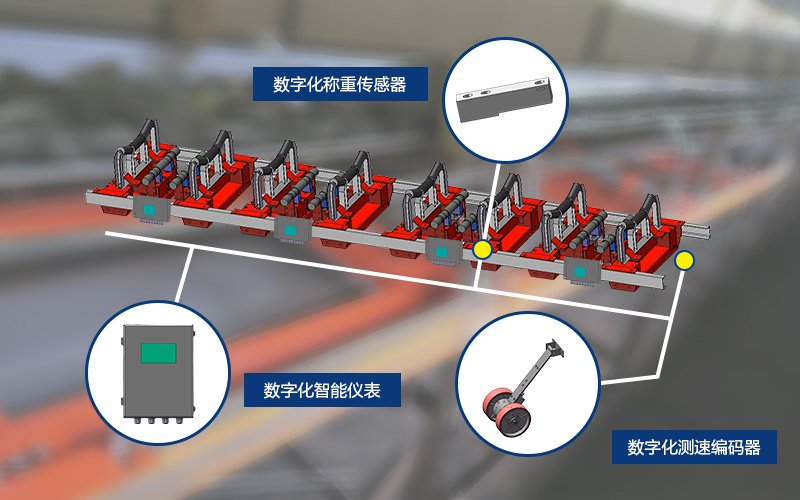
Normally, the weighing unit is integrated with standard rod weights, and the intelligent instrument adopts professional on-line calibration algorithms to realize adaptive on-line calibration of the belt scale. The whole process needs no shutdown, and the operating status of calibration modules can be monitored remotely.
Advantages
1. No shutdown required, ideal for continuous production scenarios.
2. High efficiency; automatic continuous calibration without manual intervention.
3. Flexible calibration frequency, enabling timely error correction.
4. On-line material calibration balances authenticity and convenience, with accuracy close to offline material calibration.
Disadvantages
1. High initial investment due to the need for dedicated calibration devices.
2. Difficult maintenance; professional technicians are required for repair once damaged.
3. Electronic calibration cannot detect mechanical errors, and must be combined with other calibration methods.
Summary
Calibration is critical for maintaining measurement accuracy and extending the service life of belt scales. The three calibration methods have their own pros and cons, and should be selected comprehensively according to actual working conditions, accuracy requirements and budget constraints.Material calibration features the highest accuracy and fits high-precision scenarios but is time-consuming and labor-intensive.
Simulated calibration is simple and low-cost for daily maintenance yet with limited precision. On-line calibration operates without shutdown and boasts high efficiency for continuous production lines, while requiring relatively high initial investment.