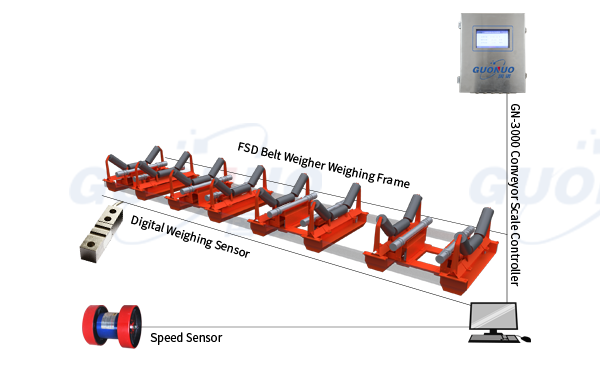
Electronic belt scales feature high sensitivity, and their metering accuracy is susceptible to factors such as their mechanical structure, product quality, application environment, and operational specifications. The main human interference factors are summarized as follows:

1. Belt Deviation
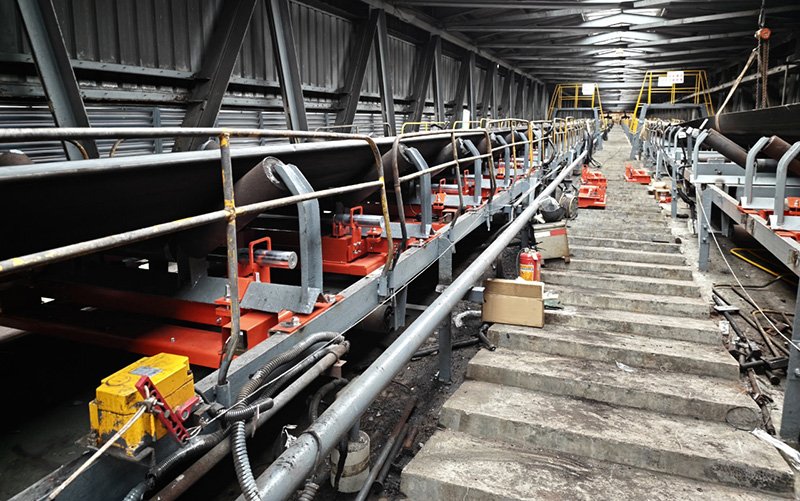
Belt deviation changes the pressure borne by the weighing sensor and leads to metering errors. The main causes of belt deviation include:(1) Unbalanced stress on both sides of the equipment due to improper manual adjustment;(2) Material adhesion on part of the tail roller. Accumulated materials shall be cleaned in a timely manner, the scraper shall be inspected, and the material dropping height shall be reduced simultaneously;(3) Misaligned material feeding point, which shall be rectified by adjusting the position of the feeding point.
2. Material Adhesion on the Belt
Viscous materials tend to adhere to the belt during conveying. If not cleaned promptly, materials will accumulate on the conveyor belt in large areas, causing repeated metering of adhered materials and undermining metering accuracy. This problem can be solved by overhauling the external belt scraper.
3. Damaged Accessories
Common causes include aging or fracture of cross spring plates, wear of belt idlers, and signal circuit faults. Such faults usually trigger abrupt data fluctuations. When a sharp instantaneous change in data is observed, inspect each component one by one and replace faulty parts in a timely manner once the fault point is identified.
4. Untimely Zero Calibration and Slope Coefficient Adjustment
As a type of dynamic weighing equipment, electronic belt scales are prone to performance changes during material conveying, accompanied by drift in zero point and slope coefficient. It is necessary to adjust the zero point and other parameters timely to guarantee weighing accuracy.
Users shall formulate a calibration plan for the belt scale in accordance with the equipment maintenance cycle, ensuring systematic inspection and maintenance within the specified period. For electronic belt scales with sudden malfunctions caused by key component failures that result in metering deviation, relevant parameters must be corrected immediately. The belt scale can only be put back into operation after all parameters return to normal.