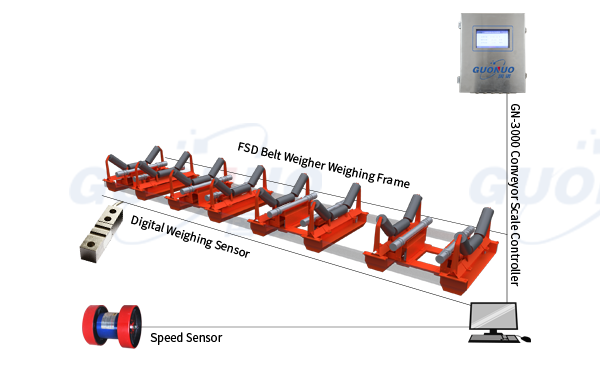
In the core scenario of continuous conveying and precise measurement of industrial materials, the accuracy and reliability of belt scales are directly related to production efficiency, cost control, and trade fairness. However, traditional belt scales often struggle when faced with complex working conditions, long-term stability maintenance, and frequent calibration requirements.
The deep integration of three core technologies - AI intelligent analysis, matrix high-precision belt scale architecture, and online calibration function - is completely revolutionizing the field of belt weighing in an unprecedented way, ushering it into a new era of greater precision, reliability, and intelligent management.
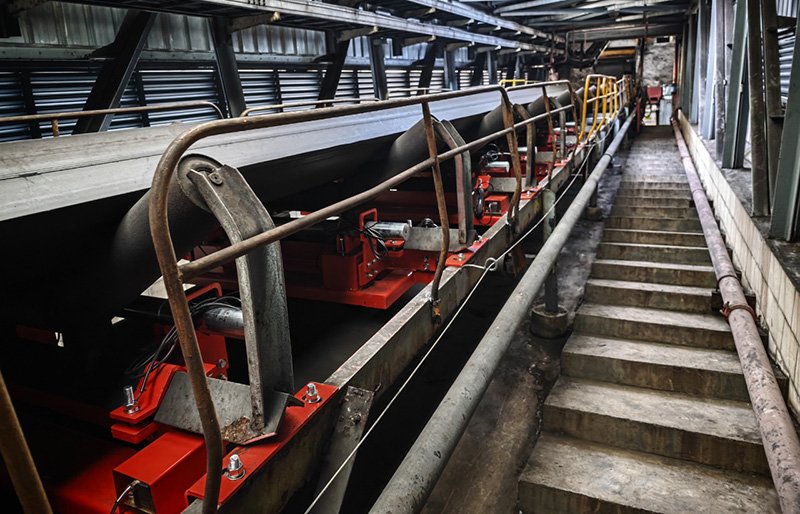
1、 Breaking through the limit of accuracy: matrix based high-precision sensing architecture
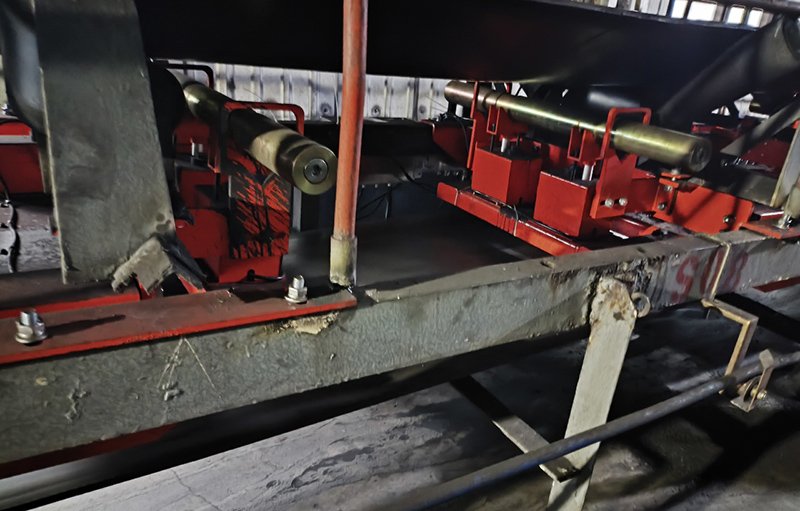
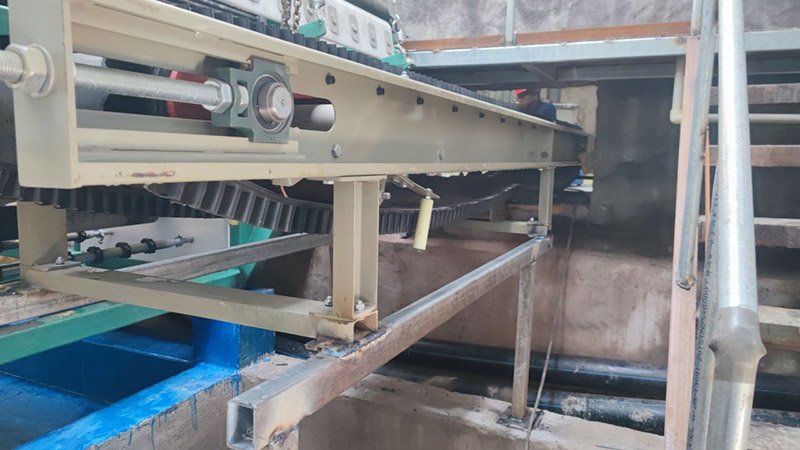
Traditional single point or double bar weighing sensors are susceptible to interference from factors such as changes in belt tension, material imbalance, and mechanical vibration, leading to measurement deviations. The innovation of the matrix high-precision belt scale lies in its distributed multi-point sensing design:
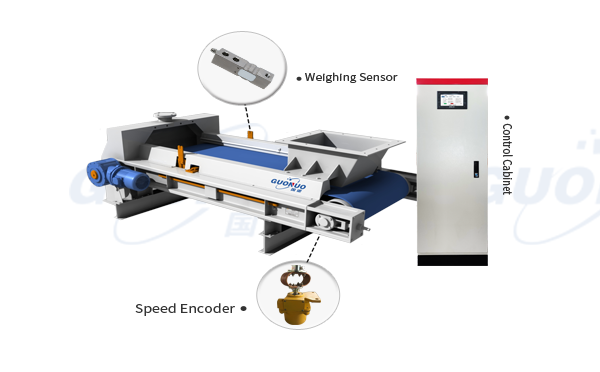
Multi dimensional perception: The entire measurement area is composed of multiple combined weighing units, and multiple high-precision weighing sensors are deployed in each weighing unit to form a dense "perception matrix".
Load balancing analysis: The system collects real-time force and velocity information at each point, and uses advanced algorithms (such as distributed filtering and data fusion) for comprehensive processing, effectively offsetting the effects of local stress unevenness and belt deviation.
Basic accuracy leap: This redundant design and collaborative computing greatly enhance the overall anti-interference ability of the system, enabling stable and reliable high-precision instantaneous flow and cumulative weight data even under non ideal operating conditions.
2、 Intelligent Evolution: AI Driven Dynamic Optimization and Prediction
The introduction of artificial intelligence technology has equipped belt scales with a "smart brain", achieving a leap from passive measurement to active perception, analysis, and optimization:
Dynamic error compensation: AI algorithms continuously learn and analyze historical operating data and real-time working conditions (such as temperature, humidity, belt tension changes, material characteristic fluctuations), automatically identify potential error patterns, and dynamically compensate and correct them in real time.
Predictive maintenance insights: Through deep mining of sensor signal characteristics and mechanical operating status data, AI can keenly capture signs of device performance degradation or potential failures (such as sensor drift and increased mechanical wear), issue maintenance warnings in advance, and transform passive maintenance into active intervention.
Adaptive operation optimization: The system can intelligently fine tune parameter configuration based on changes in material characteristics, flow fluctuations, and other information, ensuring optimal metering performance under various production loads.
3、 Worry free operation: revolutionary online calibration technology
Calibration is the cornerstone of ensuring accurate measurement, but traditional calibration often means downtime, manual intervention, and production interruption. Online calibration technology has completely disrupted this process:
Uninterrupted calibration: The core lies in the integration of highly reliable automatic calibration devices (such as integrated standard bar codes, intelligent algorithms, etc.) within the system, which can automatically execute the calibration process during normal belt operation.
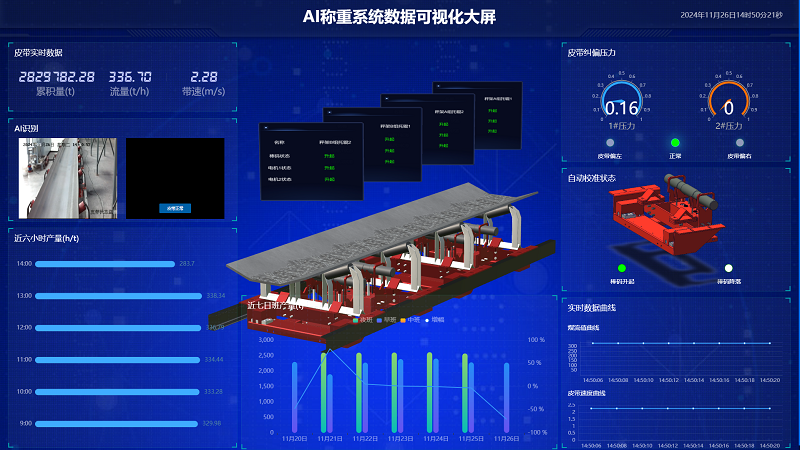
AI calibration collaboration: The data generated by online calibration is fed back in real-time to the AI analysis center. AI not only verifies the validity of calibration results, but also combines long-term operating trends to intelligently determine whether the calibration cycle needs to be adjusted, whether the calibration process is abnormal, and even optimize the calibration strategy itself.
Continuous trustworthy guarantee: Combining the rich state information provided by matrix sensors, online calibration can more accurately trace and correct system deviations, ensuring that measurement accuracy remains within the prescribed range for a long time, greatly enhancing the legal effectiveness and trade credibility of data.
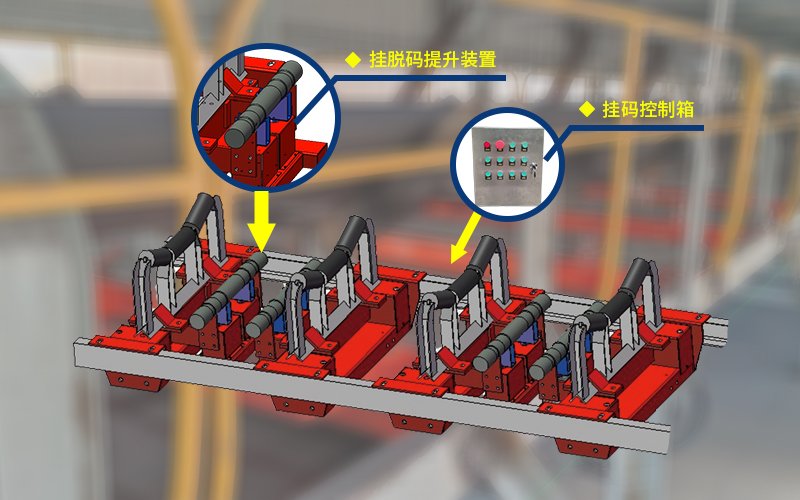
Intelligent integration: the unity of precision, reliability, and easy management
When the matrix based high-precision sensing architecture provides a solid data foundation, AI intelligent analysis endows powerful data processing and decision-making capabilities, and online calibration criteria ensure the continuous reliability of measurement benchmarks, the three are not simply stacked, but deeply integrated:
1. More accurate: The matrix structure resists interference, AI real-time dynamic compensation, online calibration ensures benchmarks, and triple guarantees achieve unprecedented high levels of measurement accuracy.
2. More reliable: AI predictive maintenance significantly reduces unexpected failures, online calibration eliminates downtime dependencies, and the redundancy of matrix design enhances the overall robustness of the system, ensuring continuous and stable operation.
3. Easier management: Automated online calibration significantly reduces manual operation and downtime costs; AI provides visualized device health status, performance reports, and decision-making recommendations, simplifying operation and maintenance management; The data is highly reliable, reducing the risk of measurement disputes and significantly improving management efficiency and economy.
This technological revolution, led by AI intelligence, innovative matrix sensing architecture, and breakthrough online calibration, is redefining the standards for belt weighing. It goes beyond the simple pursuit of "accurate measurement" and builds an intelligent measurement system that is self aware, self analyzing, self calibrating, and adaptive. This not only means that material measurement has achieved unprecedented high precision and stability, but also represents a profound transformation of operational management mode towards automation, unmanned, and intelligent decision-making.