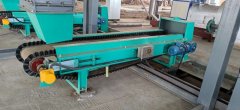
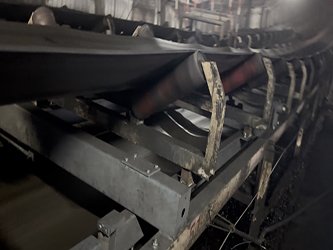
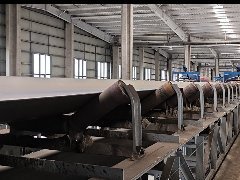
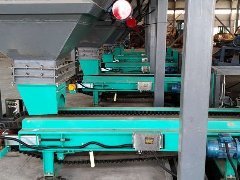
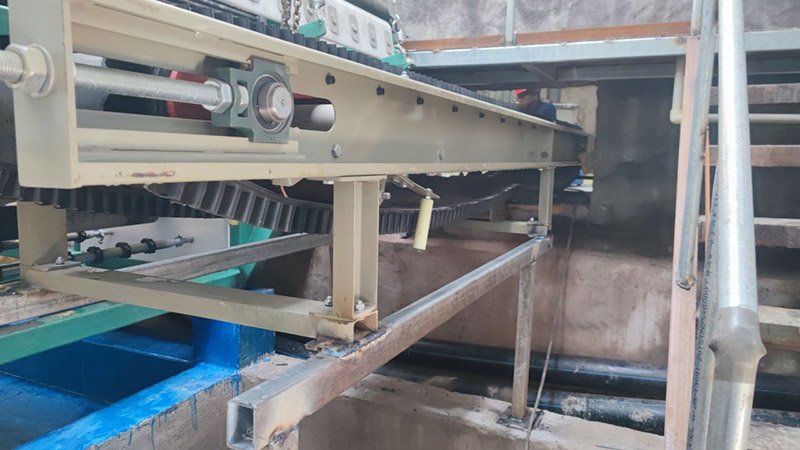
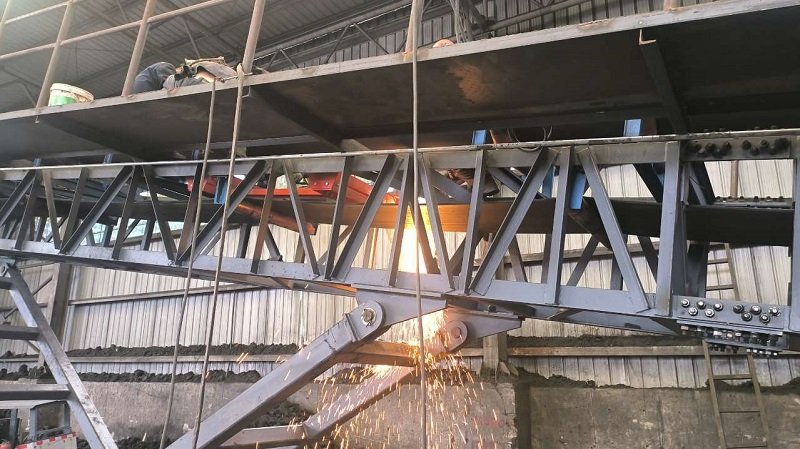
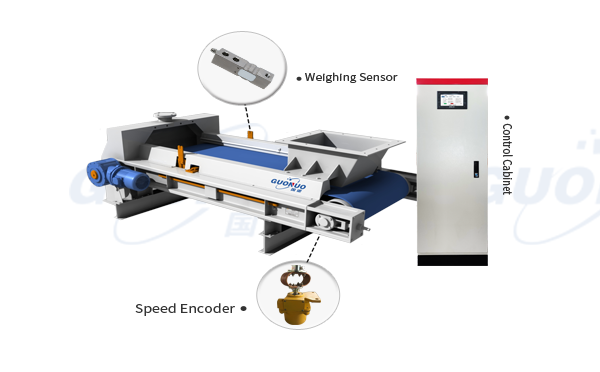
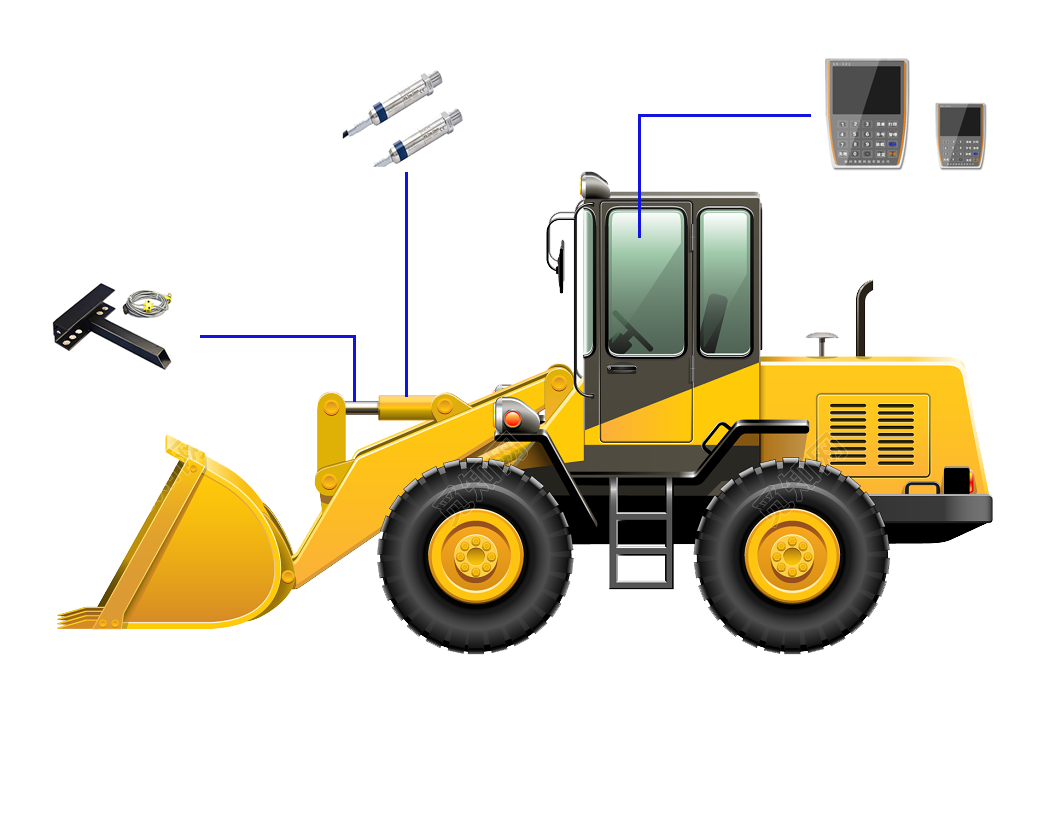
In modern industrial production, precise and efficient measurement of materials during automatic conveyance is crucial for enhancing production efficiency and controlling costs. Electronic belt weighers play a vital role in the transportation of bulk materials across various industries, including ports, construction materials, mining, power, and metallurgy.
In recent years, with the continuous advancement and deep integration of dynamic weighing, electronic information, sensors, and intelligent technologies, matrix electronic belt weighers have gradually stood out among numerous industries due to their high precision, high stability, strong environmental adaptability, and intelligent operation, becoming the preferred equipment for material measurement and finding wider application than traditional belt weighers.
In summary, the reasons for the wider application of matrix electronic belt weighers are as follows:
1. High Precision and Stability
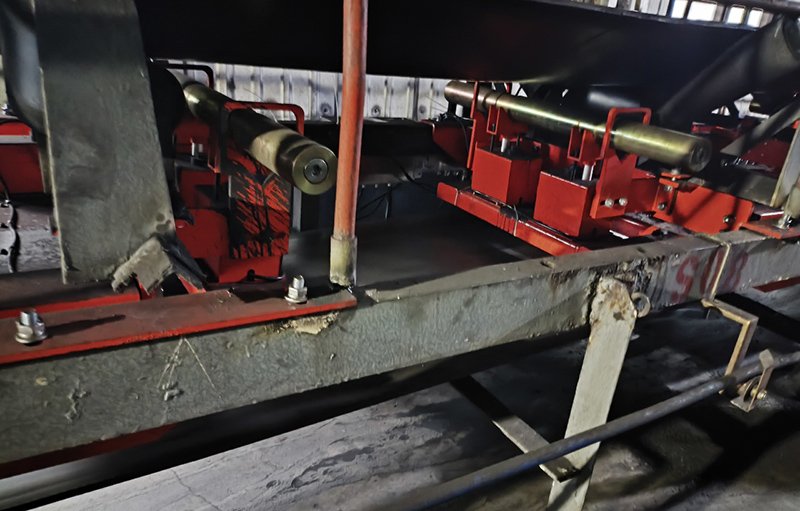
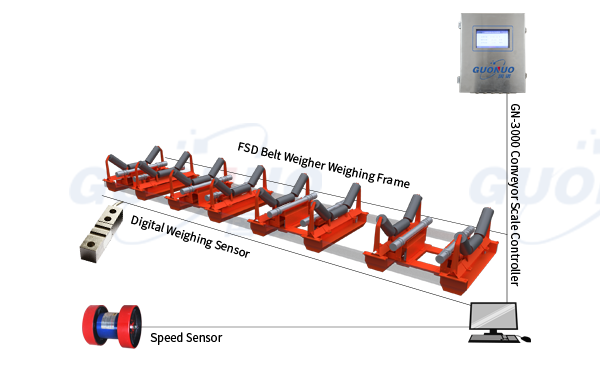
Matrix belt weighers adopt an advanced multi-group combined weighing frame structure, with multiple high-precision sensors configured on each weighing idler to form a weighing unit. This design is not only simple in structure, free from friction and force transmission losses, but also significantly improves measurement accuracy and stability.
Additionally, sensors utilize analog-to-digital converters to convert analog signals into digital signals, providing excellent anti-interference capabilities and effectively preventing measurement errors caused by signal distortion.
Compared to traditional belt weighers with levers or beams, matrix belt weighers exhibit significantly enhanced capabilities in material load signal acquisition, belt speed measurement, and signal transmission, resulting in more precise, stable, and reliable measurements. This high precision and stability make matrix electronic belt weighers unparalleled in applications requiring high-precision measurement, such as port trade, production accounting, and sales settlement.
2. Strong Environmental Adaptability
Traditional belt weighers have stringent requirements for on-site belt conveyors and environmental conditions, such as the inclination angle of the belt conveyor and the deflection of the belt weigher's longitudinal beam relative to the conveyor.
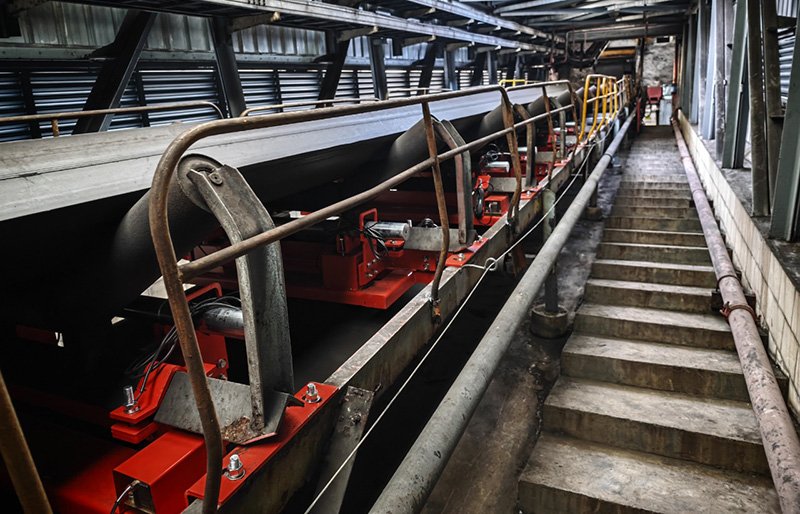
In contrast, the fully suspended beam-free combined weighing frame structure of matrix belt weighers allows for flexible combination and adjustment based on actual on-site conditions. It can adapt to conveyors with different bandwidths, flow rates, and idler spacings, as well as operate stably on conveyors with climbing arcs.
Furthermore, matrix belt weighers feature temperature compensation functions, enabling real-time monitoring of the on-site operating environment and incorporating it into calculations, effectively avoiding the impact of temperature variations on measurement accuracy.
This exceptional environmental adaptability enables matrix belt weighers to maintain high-precision measurement across various complex operating conditions, significantly expanding their application areas.
3. Intelligent Operation, Maintenance, and Monitoring
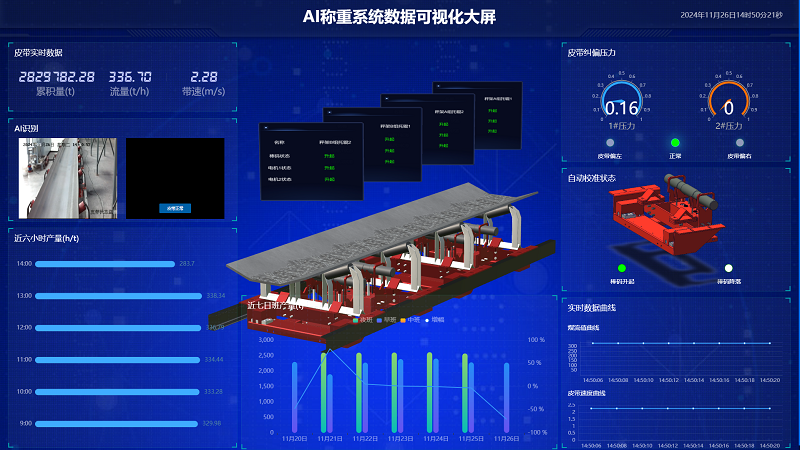
Matrix belt weighers integrate advanced intelligent technologies, offering functions such as automatic calibration, real-time anomaly detection and troubleshooting, and remote monitoring, thereby simplifying operation and enhancing convenience.
Users can set parameters remotely via a computer terminal or through on-site instrument operation, eliminating the need for on-site shutdown for debugging and calibration. Simultaneously, matrix belt weighers can intelligently monitor the operation of individual components and the overall system, with real-time feedback of data analysis results.
Moreover, due to their simple structure, minimal horizontal surface area, and excellent long-term stability, they largely eliminate the need for daily cleaning and maintenance, reducing maintenance costs. These intelligent operation and maintenance features make matrix belt weighers particularly advantageous in scenarios requiring efficient management and maintenance, such as large-scale mines and ports.
Matrix electronic belt weighers can not only accomplish the weighing and measurement of various bulk materials like coal, ores, and cement but are also widely applied in material conveyance measurement across other industries.
With their high precision, high stability, strong environmental adaptability, and intelligent operation capabilities, matrix belt weighers can meet the measurement requirements of various industries and operating conditions.
Whether in fast-paced assembly line production environments or precision measurement-critical quality control processes, matrix belt weighers demonstrate their immense value and effectiveness.