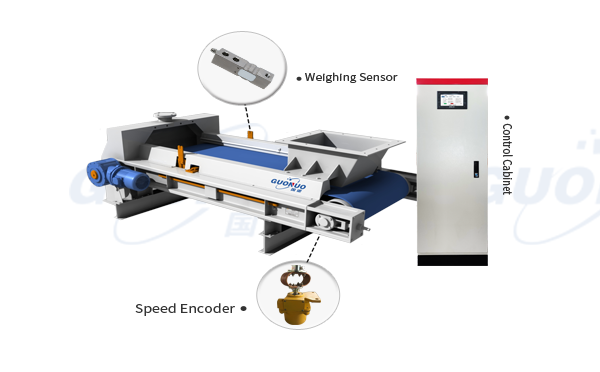
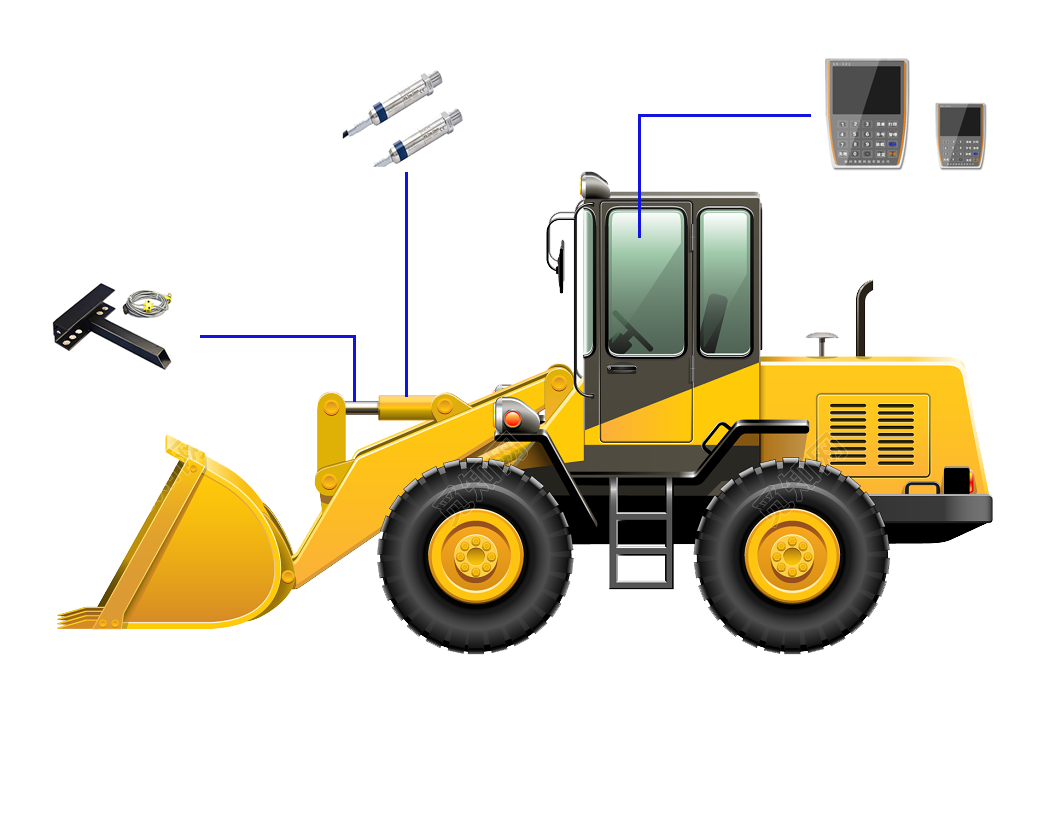
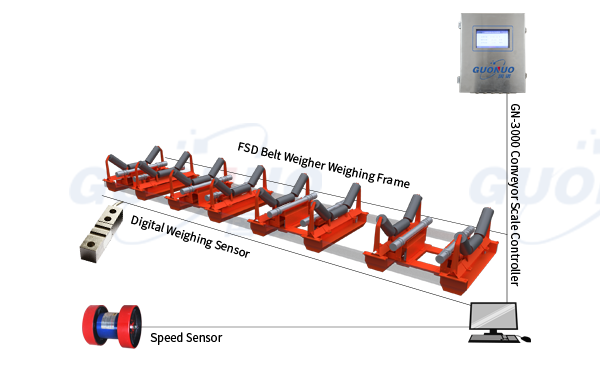
In the wave of industrial automation and intelligence, electronic belt scales, as the core measuring equipment in material conveying systems, directly impact production efficiency, cost control, and economic accounting. However, with a wide variety of products on the market, users often fall into the misconception of "emphasizing hardware parameters while neglecting software compatibility."
In fact, to choose an accurate, stable, and intelligently applicable electronic belt scale measurement system, while hardware configuration is undoubtedly important, software functionality cannot be overlooked either.
Hardware Selection: The Physical Foundation for Accurate Measurement
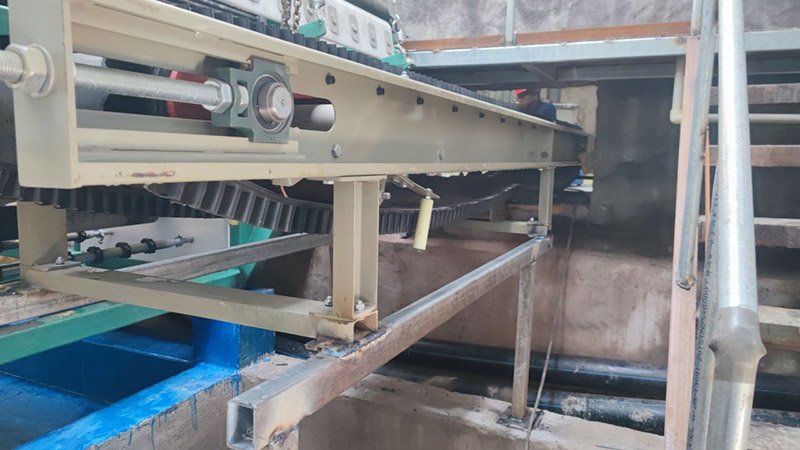
The hardware of an electronic belt scale serves as the physical carrier ensuring measurement stability and should be comprehensively considered from three aspects: structural design, environmental adaptability, and core components.
1. Scale Frame Structure Matching Scenario Requirements
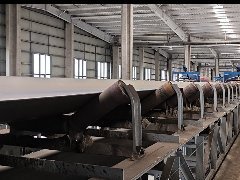
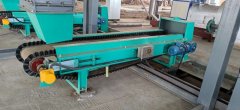
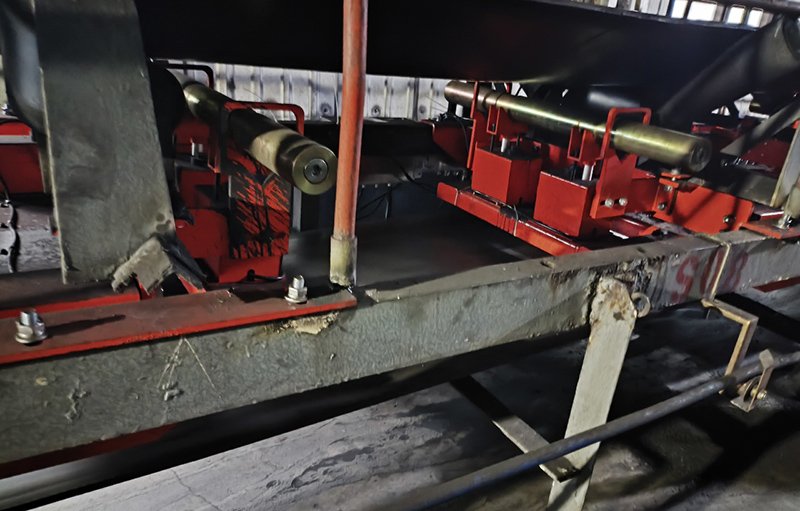
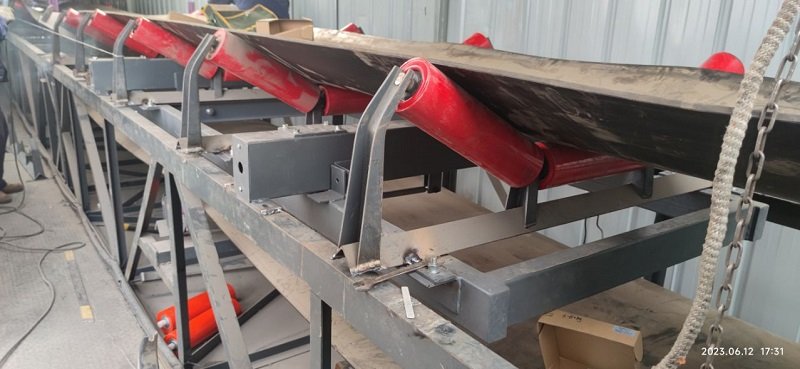
Different scale frame types cater to different working conditions: Double-lever multi-idler and suspended scale frames, with their long measurement sections and multiple support points, are suitable for high-flow, high-precision scenarios, such as trade settlement for bulk materials like coal and ores.
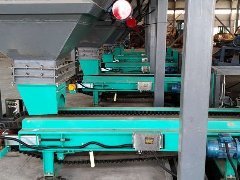
Single-idler and cantilever scale frames, with their compact structures, are ideal for space-constrained or medium-to-low flow scenarios, such as short-distance conveying of food and chemical raw materials.
2. Core Component Performance Determines Precision Limits
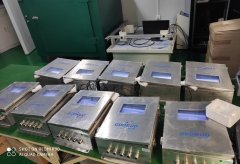
Load cells should be selected based on material flow to avoid overloading or the "overkill" phenomenon; stainless steel load cells are preferred for their corrosion resistance and multiple compensation functions. The instrument panel should be equipped with a high-performance processor and a high-resolution touch screen to ensure real-time data processing and user-friendly operation.
3. Environmental Adaptability Design Cannot Be Ignored
For high-temperature, high-humidity, and dusty environments, select scale bodies with an IP65 or higher protection rating. In corrosive environments, stainless steel or coated corrosion-resistant structures should be configured. For explosion-proof scenarios such as coal mine shafts and entrances/exits, compliance with explosion-proof requirements and obtaining explosion-proof certificates and coal safety certifications are essential to ensure safe operation in flammable and explosive environments.
Software System: The "Nerve Center" for Intelligent Control
While hardware forms the body, software endows the device with "intelligence." An excellent software system can significantly enhance measurement efficiency and reduce maintenance costs.
1. Data Processing Algorithms Determine Dynamic Accuracy
Advanced filtering algorithms can eliminate interference from belt vibrations and material off-center loading, combined with AI compensation technology to correct errors caused by temperature drift and belt tension changes in real-time. Support for multi-channel parallel communication and automatic switching between primary and backup channels ensures continuous and reliable data transmission.
2. Calibration Methods Adapt to Management Needs
Physical calibration offers the highest accuracy but is complex to operate, suitable for high-requirement scenarios like trade settlement. Chain code/hanging code calibration is simple and fast, serving as a supplementary means for daily maintenance. Intelligent software should support switching between multiple calibration modes and provide calibration record traceability to meet ISO quality management system requirements.
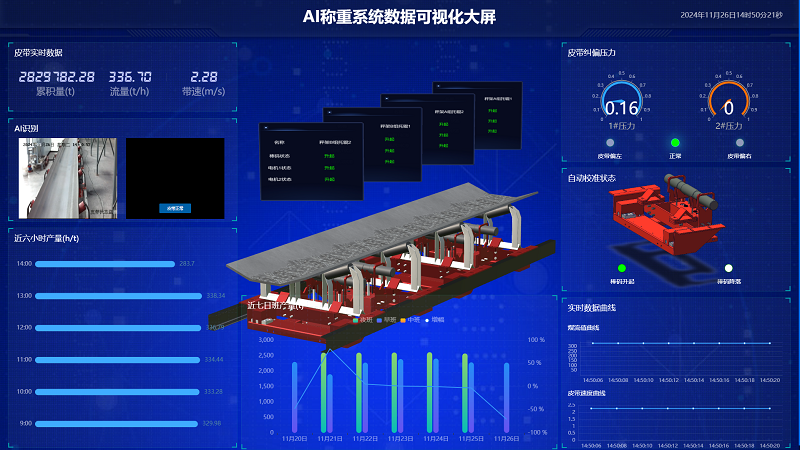
Modern advanced intelligent electronic belt scales, such as the Guonuo Technology AI Intelligent Belt Scale, can be equipped with an automatic online calibration system module, enabling online calibration without shutdown or manual intervention.
3. Human-Machine Interaction and Data Management Functions
An intuitive graphical user interface (GUI) can display flow curves, cumulative weights, and device status in real-time, with automatic pop-up alerts for abnormal conditions. Integration of data storage and remote transmission modules supports connection with MES and ERP systems, enabling closed-loop management of production data.
In essence, the selection of an electronic belt scale is a process of synergistic optimization between "hardware reliability" and "software intelligence." Users should avoid the trap of "parameter competition" and construct a three-dimensional evaluation system of "precise hardware + intelligent software + continuous service" based on actual working conditions. Only in this way can the maximum balance between measurement accuracy, operational efficiency, and economic benefits be achieved in dynamic and complex industrial scenarios.