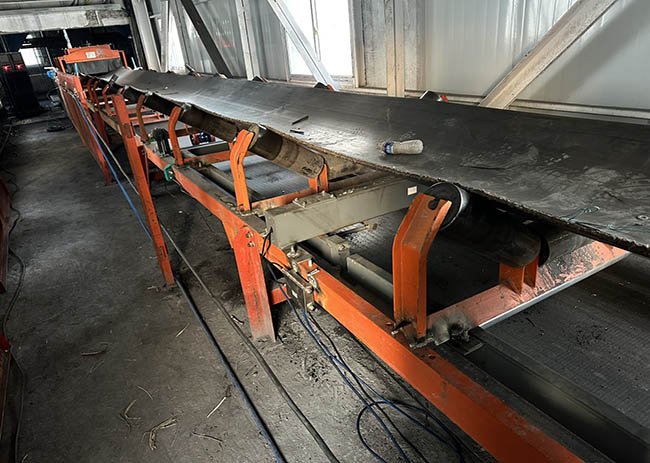
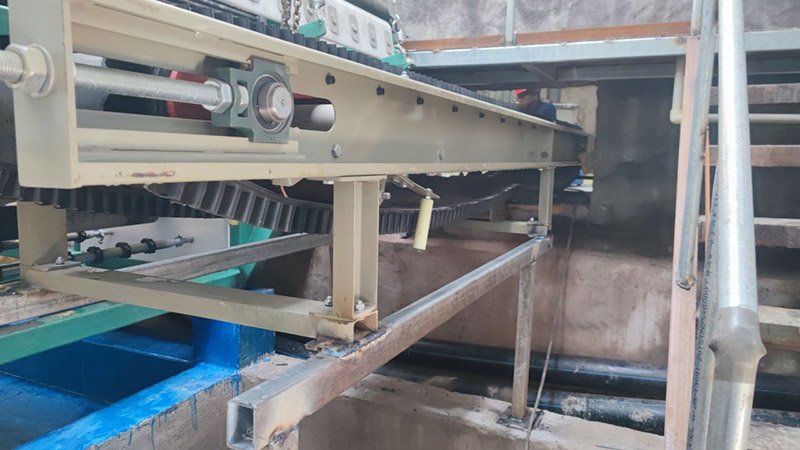
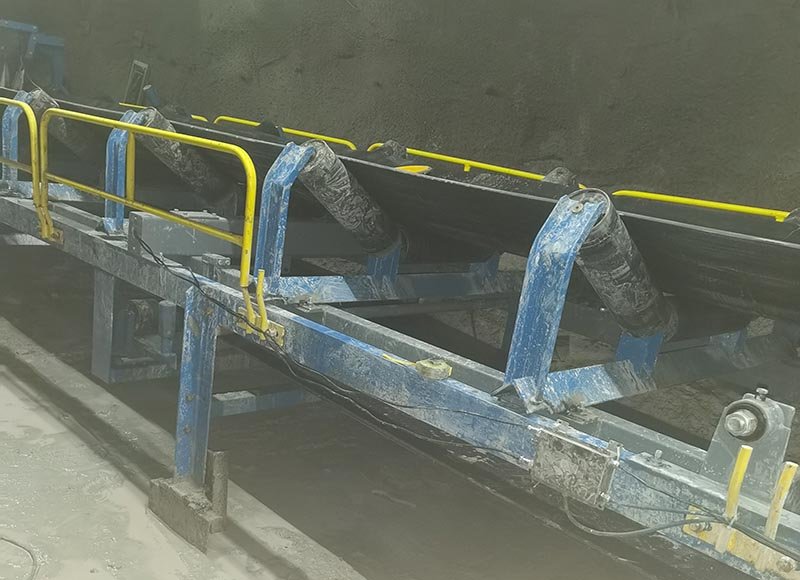
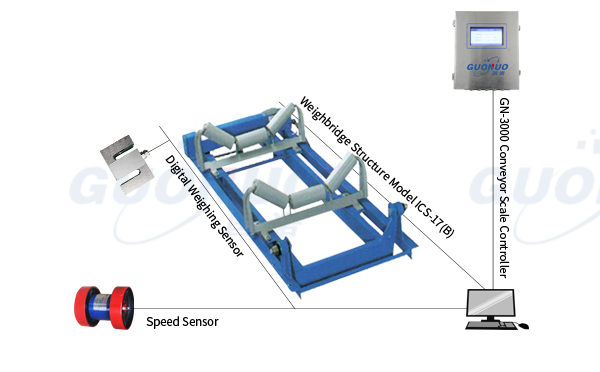
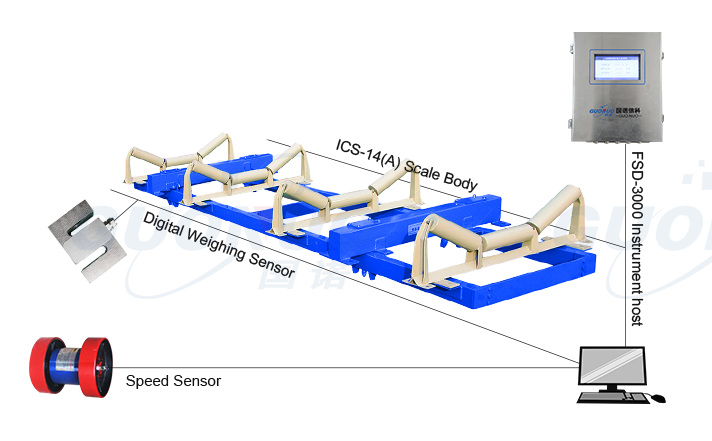
The operating environment of electronic belt scales is predominantly industrial, where numerous factors can affect their performance. In addition to the belt scale's inherent ability to withstand external influences, proper and standardized installation is equally crucial. The installation of electronic belt scales encompasses two aspects: mechanical and electrical, with the mechanical part being the fundamental requirement.
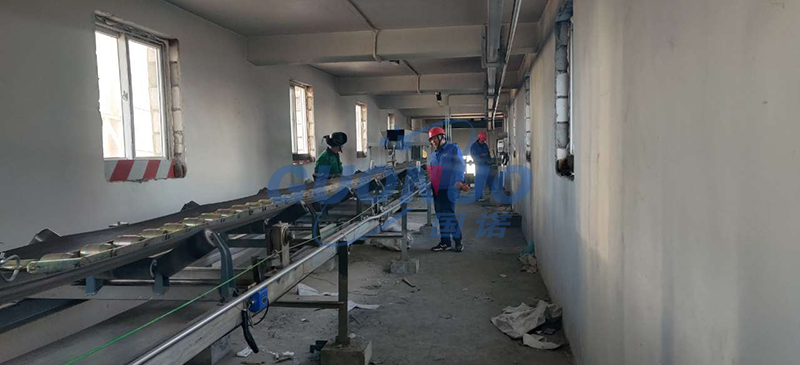
Mechanical Installation Requirements for Belt Scales:
1. Rigidity of the Scale Body:
The scale body must possess sufficient rigidity, which is the most basic and critical requirement. The robustness of the base determines the foundational noise level of the system. The drive roller must also be securely installed, which is not to be overlooked.
2. Environmental Requirements for Belt Scales:
Belt scales should be installed in locations with minimal inclination, protected from wind and rain, and relatively dry and clean. Belt tension should be low, stable, and with minimal deviation, ideally equipped with automatic tension adjustment and anti-deviation devices, and kept away from vibration sources.
3. Scale Frame Installation:
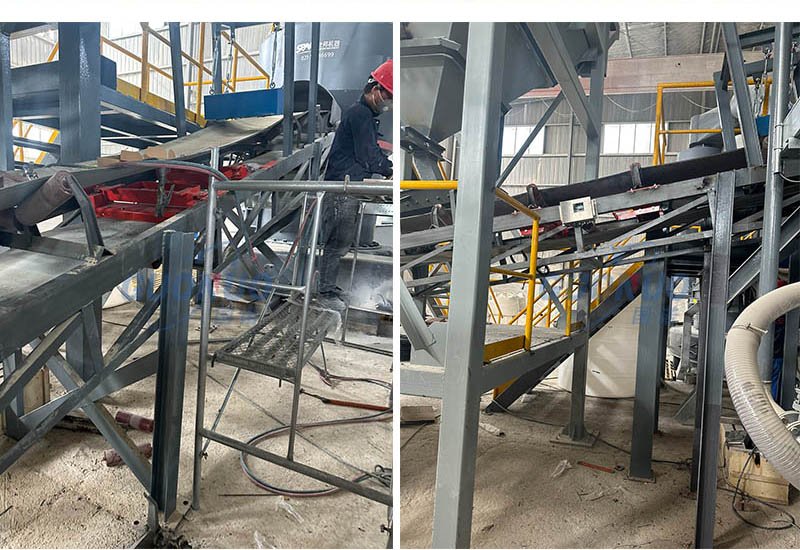
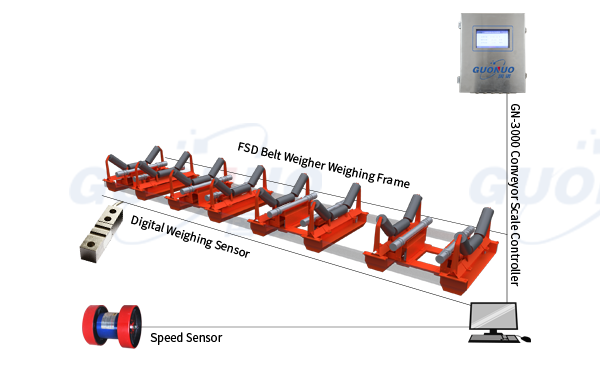
For scale frame-type belt scales, they should be installed on a sturdy frame of the belt conveyor. The scale frame should be symmetrical with the centerline of the conveyor, and the upper plane of the idler rollers should be slightly higher than that of the conveyor idlers.
4. Idler Requirements:
In addition to the symmetry requirements for the weighing idler rollers mentioned earlier, the same requirements apply to the 2-3 groups of rollers before and after the weighing idler. They should have good dynamic balance, be securely mounted on their axes, and their rolling planes should be on the same horizontal line with parallel roller axes.
5. Feed and Discharge Points:
At the points where the belt receives and discharges material, the rollers should be densely arranged or a load-bearing plate should be closely attached beneath the belt to minimize the impact on belt tension.
6. Installation of Weighing Sensors:
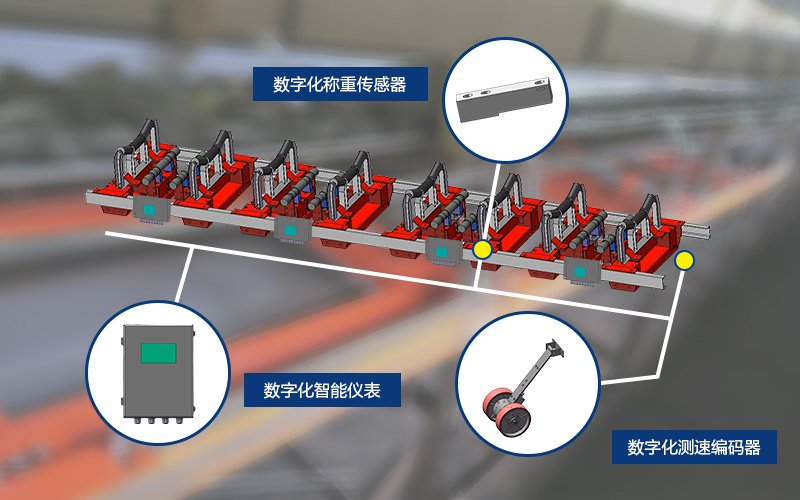
Weighing sensors must be securely mounted on a base with high rigidity. The direction of force should be perpendicular to the direction of belt movement. The supports for the weighing idler rollers should be precisely installed, secure, and not loose.
7. Installation of Speed Sensors:
Generally, a pulse count of 500-1000 pulses per second (PPS) for the speed sensor is sufficient, but this depends on the installation method of the speed sensor, as well as the belt speed and the A/D conversion speed of the instrument. The installation of the speed sensor should ensure it is as synchronized as possible with the belt, avoiding lag and slippage.