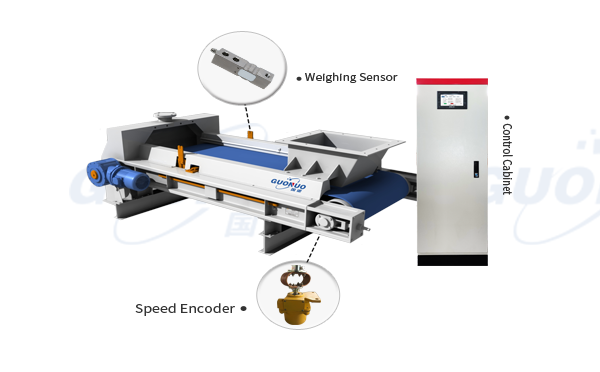
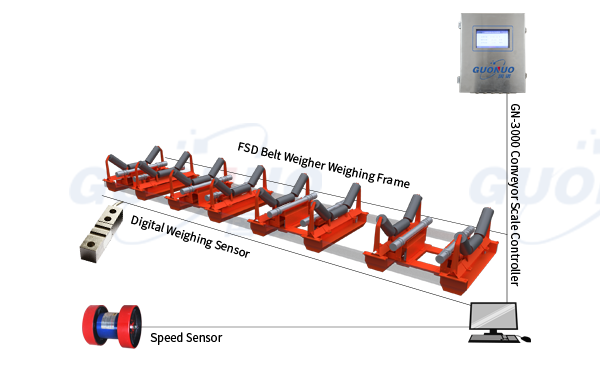
The operational stability and accuracy of ICS electronic belt scales, in addition to their inherent performance and correct installation, are also significantly influenced by subsequent maintenance and upkeep. Imagine if there is no reasonable and standardized maintenance, small issues can accumulate into major problems over time.
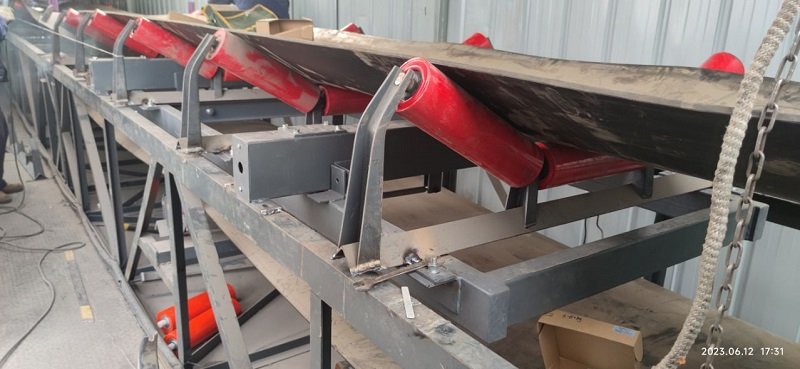
Therefore, while the performance and installation of the electronic belt scale are prerequisites for a good user experience, maintenance and upkeep serve as a guarantee for sustained excellent performance. The daily maintenance of ICS electronic belt scales primarily involves the following points:
1. Avoid Collisions:
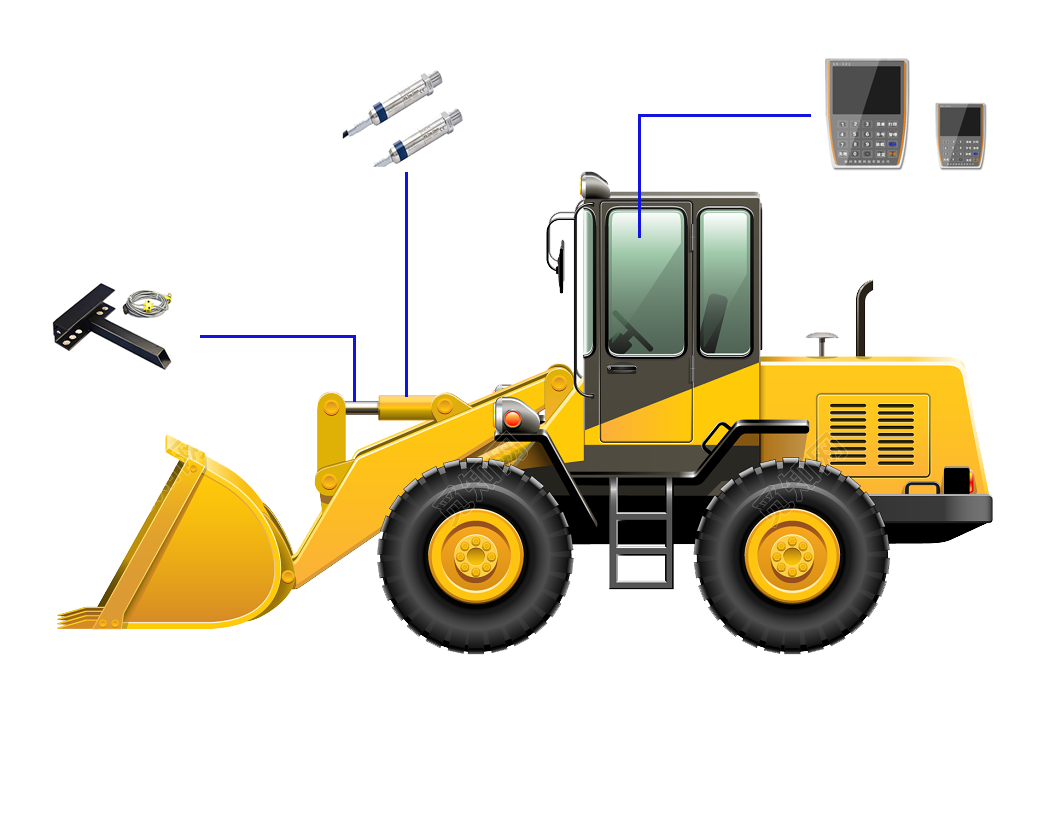
Although anti-collision limit measures are incorporated into the sensor and loader scale structure design, excessive collisions can damage the sensors before the limit measures take effect, altering their electrical parameters and affecting the measurement accuracy of the loader scale.
2. Appropriate Weighing:
Every weighing device has its own weighing range, and ICS electronic belt scales are no exception. The weighing range should remain within the initially determined model range. If the material weight is too low during use, it may result in inaccurate measurements; conversely, if the material weight far exceeds the maximum range, it may cause damage to the belt scale.
3. Avoid Environmental Impacts:
National standards require that Class III scales maintain accuracy within an ambient temperature range of 0°C to 40°C. If the operating environment exceeds this temperature range, the weighing accuracy may be affected.
4. Avoid Vibration Impacts:
Although ICS electronic belt scales possess excellent anti-interference capabilities, proximity to vibration sources can still impact their measurement accuracy. To ensure precision and stability, it is advisable to install the belt scale away from vibration sources initially. If large-scale machinery needs to be installed subsequently, it should be positioned as far away from the belt scale as possible, or the installation location of the belt scale should be re-planned.
The use of ICS electronic belt scales should first adhere to the principle of minimizing interference factors, followed by attention to daily basic maintenance details, in order to maintain a good user experience and extend the service life of the belt scale as much as possible.