With the development of social economy, modern science and technology continue to innovate and progress, and industrial production has undergone tremendous changes. The application of science and technology in industrial production has promoted the transformation of industrial automation, informatization, and intelligence.
Industrial bulk material conveying, weighing, and batching are also undergoing changes, with new technological equipment and systems replacing manual operation modes. In order to improve work efficiency, it is often necessary to complete the weighing of materials without interrupting their movement, which is called dynamic weighing.
In the industrial production batching process, dynamic weighing alone cannot meet the demand for quantitative batching. It is necessary to automatically control the feeding of materials based on weighing, that is, the feeding operation, in order to achieve automated production, improve production efficiency and quality, and reduce production operation costs.
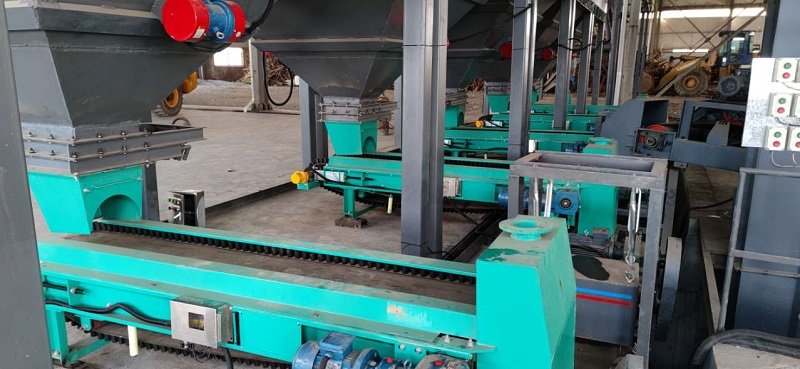
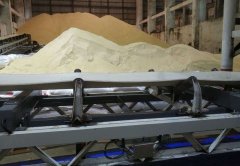
Belt automatic weighing feeder is a comprehensive equipment that completes dynamic measurement while continuously conveying materials, and relies on automated electrical control to achieve automatic feeding. It reports its work according to the predetermined program and set feeding amount, and uses a belt conveyor to continuously transport and weigh solid bulk materials in a quantitative feeding device.
The weighing and control process of the belt automatic weighing feeder is continuous and automatic, usually without the intervention of operators.
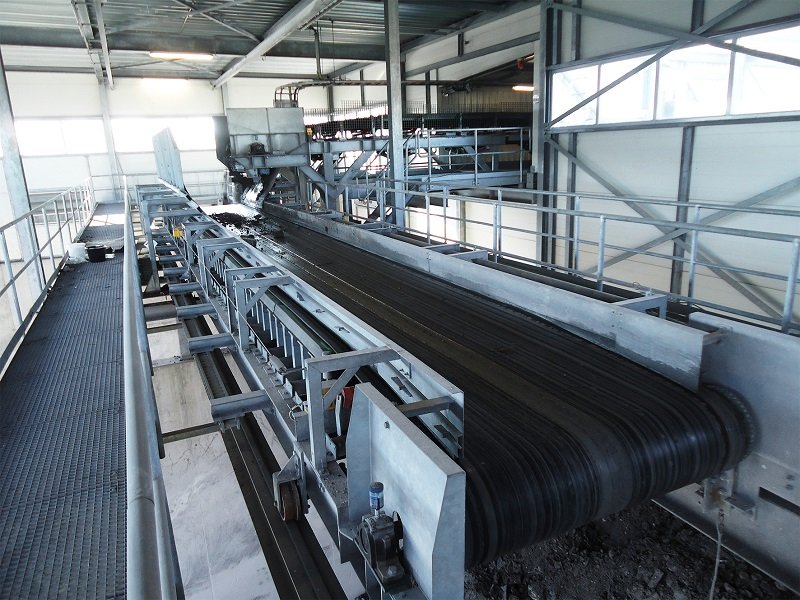
This highly automated work mode reduces manual operation steps, saves manpower to engage in more technical work, and directly reduces production labor costs for enterprises. Moreover, this continuous working mode has a work efficiency that cannot be compared to manual labor.
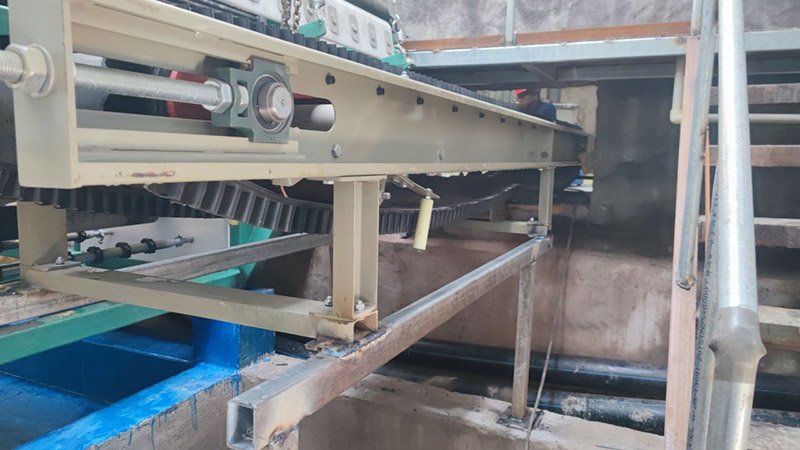
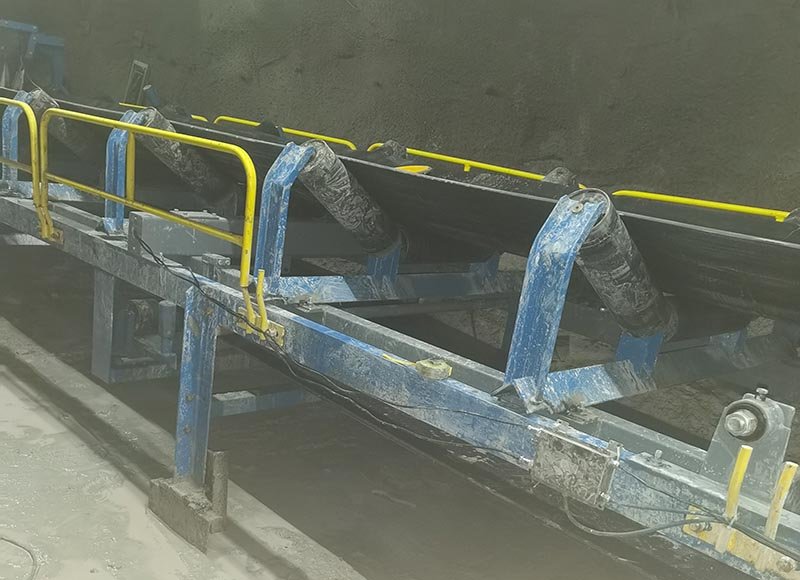
Industrial production environments often have harsh conditions and high levels of dust, which have a significant impact on the production equipment used in them. The structure design of the belt automatic weighing feeder is reasonable, and the conveyor frame is welded as a whole, with good overall rigidity, durability, and strong adaptability.
The bearings adopt a double-layer sealing form and are pre filled with lubricating oil at the factory, which is suitable for industrial production occasions with high dust. The feeder is also equipped with an automatic cleaning device to remove dust and residual materials on the belt, which is suitable for industrial environments and reduces manual maintenance labor.
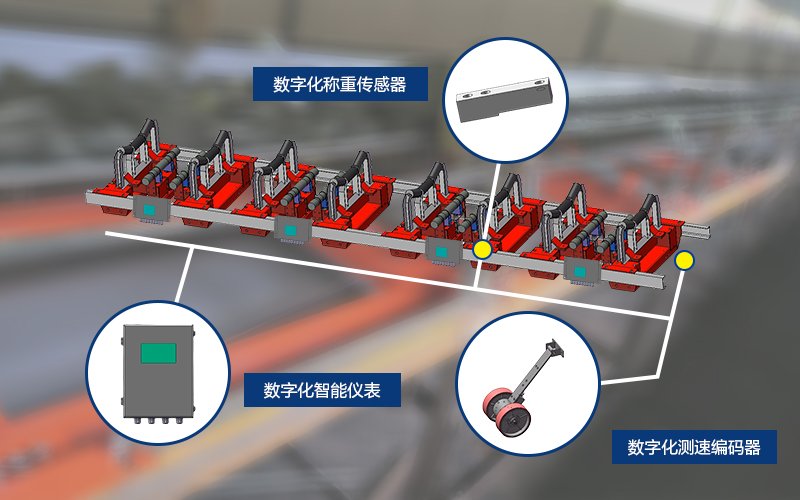
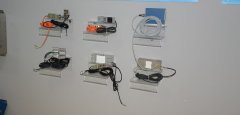
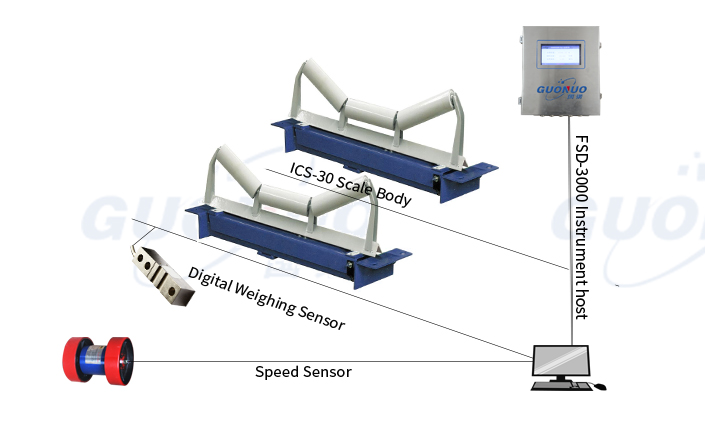
The belt automatic weighing feeder is equipped with a device that automatically adjusts the belt tension and corrects the deviation, avoiding the impact of belt tension changes and deviation on the measurement. Digital weighing sensors have high accuracy, good stability, and multiple compensation functions. The speed sensor has a high protection level, and the pulse generator accurately reflects the belt speed. Therefore, the belt automatic weighing feeder has a high and stable measuring ability.
On the basis of accurate weighing, the control system of the belt automatic weighing feeder automatically compares with the predetermined flow rate value to complete the control feeding. After modifying the ingredient parameters in the system, the system automatically controls according to the new parameters.
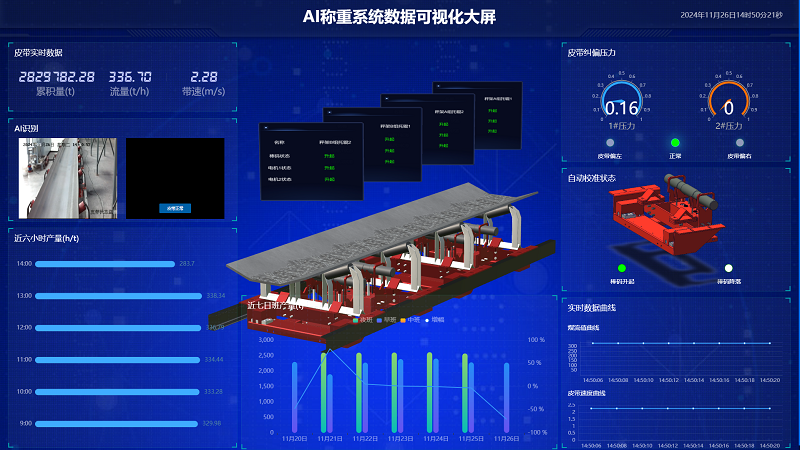
The control system can perform decentralized control based on the on-site ingredient situation, using a control cabinet for centralized management and operation, which is simple and convenient. Through the upper computer software system of the feeder, managers can remotely and real-time query the current production situation, as well as analyze historical production records.
In short, the belt automatic weighing feeder is not just a simple production equipment, it has powerful functions and advanced technology, and is a dynamic weighing comprehensive automation system suitable for industrial production batching.