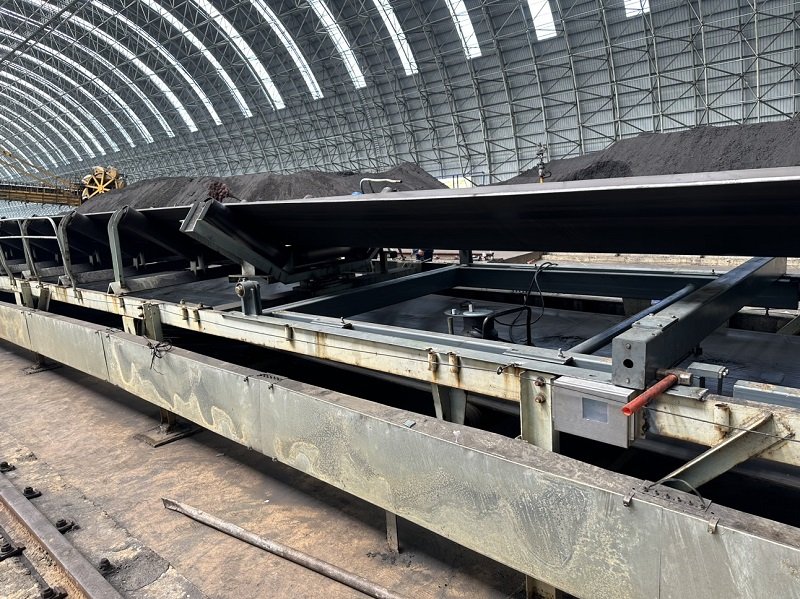
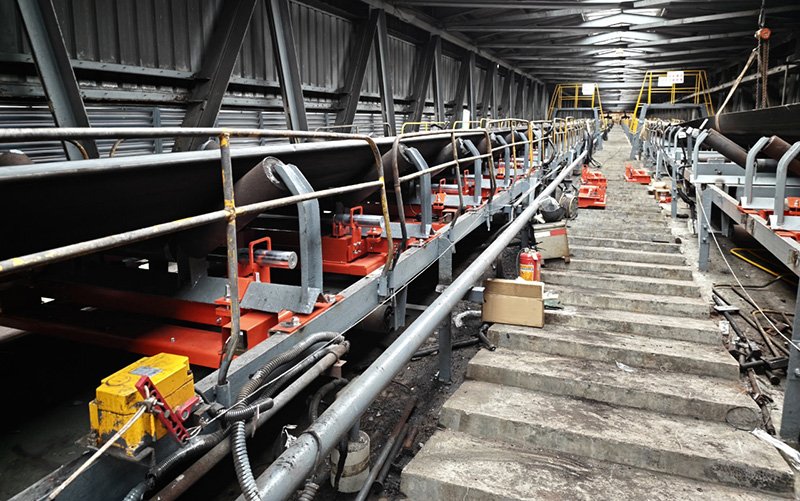
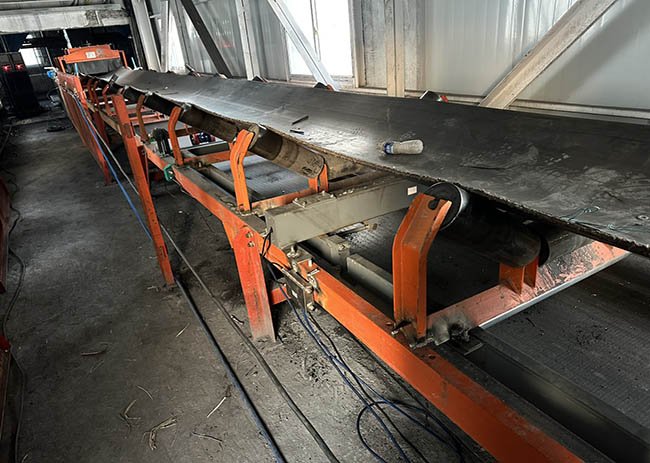
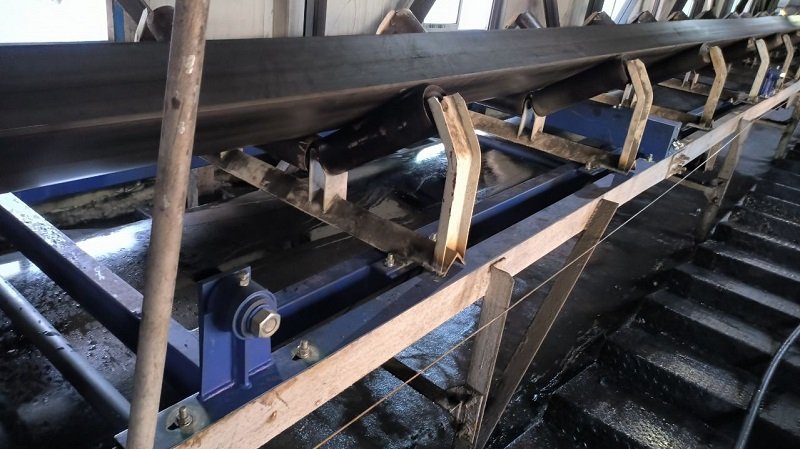
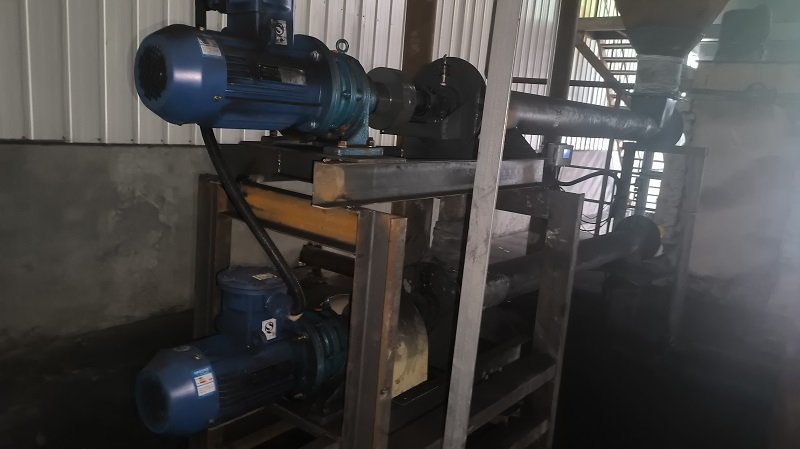
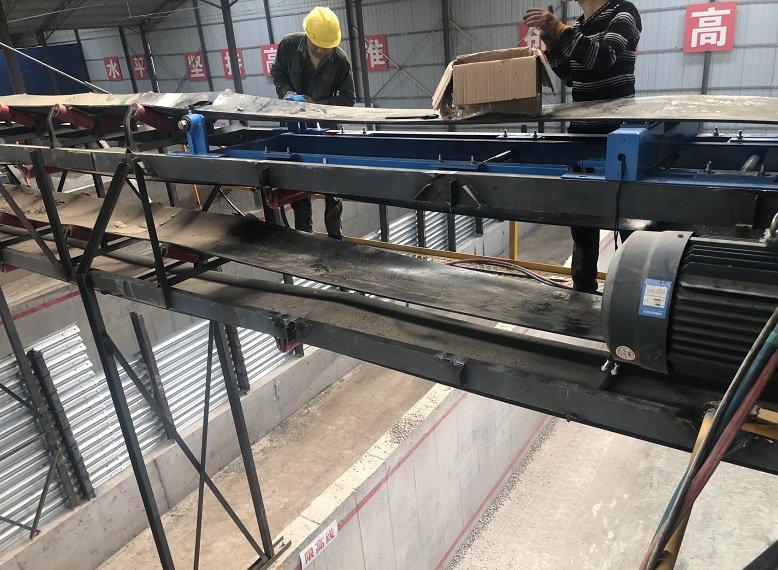
In industrial sectors such as mining, cement, power, ports, and metallurgy, belt conveyors handle the handling of large quantities of bulk materials like coal, ores, and cement clinker. As automatic measuring devices for this massive logistics flow, dynamic belt scales' accuracy and reliability directly impact a company's production efficiency, fairness in trade settlements, and core cost control.
However, for a long time, dynamic weighing of industrial bulk materials has faced enduring pain points that persistently plague on-site engineers and managers:
1. Precision Fluctuations Like a Roller Coaster: Factors such as uneven belt tension, vibration interference, material off-loading, changes in idler operation status, and harsh environments (e.g., dust, humidity, high temperatures) interact, causing the weighing accuracy of traditional electronic belt scales to fluctuate wildly, akin to a roller coaster ride. Achieving accuracy targets of ±0.5% or even lower is often elusive in complex industrial settings, leading to constant disputes in trade handovers and a lack of accurate basis for internal cost accounting.
2. Stability "Dependent on the Weather": Zero-point drift and span drift are chronic issues with traditional belt scales. Temperature changes, mechanical wear, aging of electrical components, and even a brief shutdown and restart can trigger "shifts" in weighing data. Frequent calibrations are not only time-consuming and labor-intensive but also entail production interruptions and additional costs.
3. High Maintenance Costs and Complexity: To ensure accuracy, traditional belt scales impose stringent requirements on installation foundations, belt operation status, and idler maintenance. Regular manual inspections, mechanical calibrations, and component replacements (e.g., worn idlers) consume significant manpower and downtime. Sensors themselves are also prone to damage from dust, humidity, and impacts, driving up maintenance costs and becoming a heavy burden for companies.
4. Delayed Data Processing and "Hindsight": Traditional systems have limited data collection and analysis capabilities, often providing only basic information like total production and instantaneous flow rates. They lack real-time, in-depth insights into subtle changes in material flow characteristics during production, potential equipment performance degradation trends, and abnormal material losses (e.g., material spillage due to belt misalignment). Managers find it difficult to make refined control and optimization decisions based on this data.
These four major measurement pain points have caused numerous issues for companies' production and management. Insufficient accuracy leads to losses and disputes, poor stability reduces trust, cumbersome maintenance erodes profits, and delayed data hinders management upgrades. The need for innovation in dynamic weighing of industrial bulk materials has never been more urgent.
Guonuo Technology has profoundly understood these industry pain points and, based on innovation, integrated cutting-edge sensing technology with artificial intelligence algorithms to launch a revolutionary AI High-Precision Belt Scale Weighing System. This system is not a simple iteration of traditional products but a fundamental reshaping of the dynamic weighing process using artificial intelligence, aiming to completely end the four long-standing problems plaguing the industry:
Pain Point 1 Terminator: AI-Driven Adaptive Anti-Interference for Rock-Solid Precision
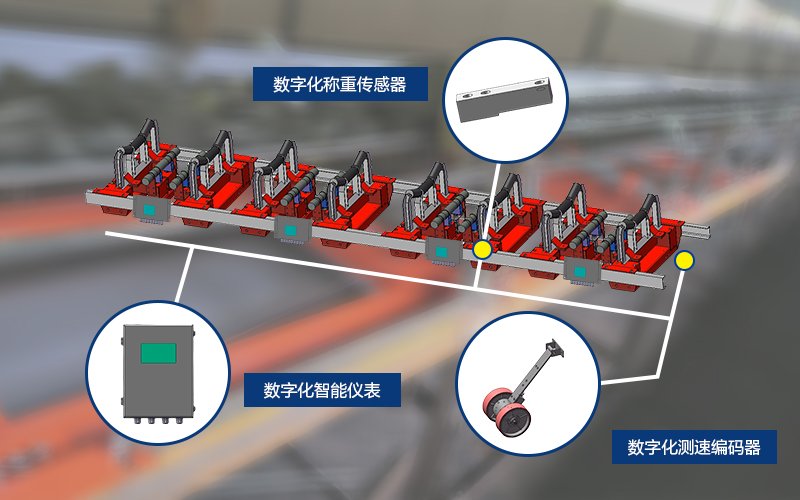
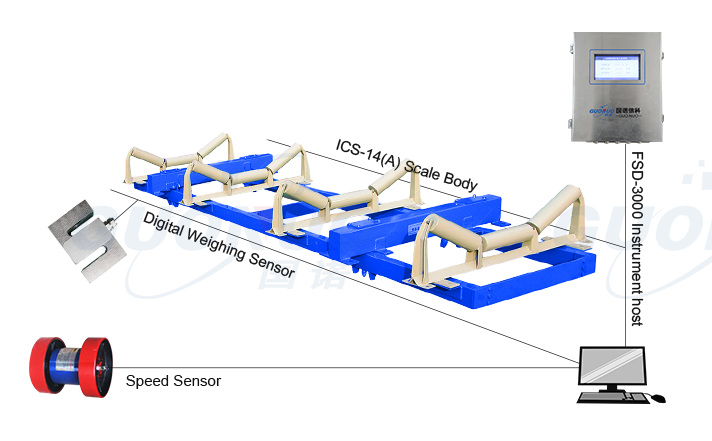
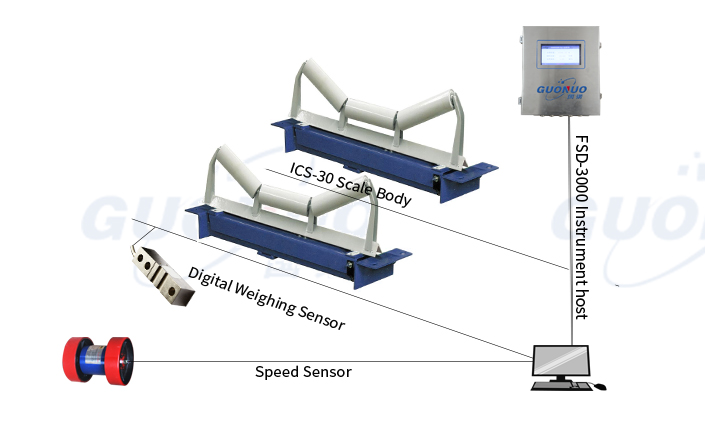
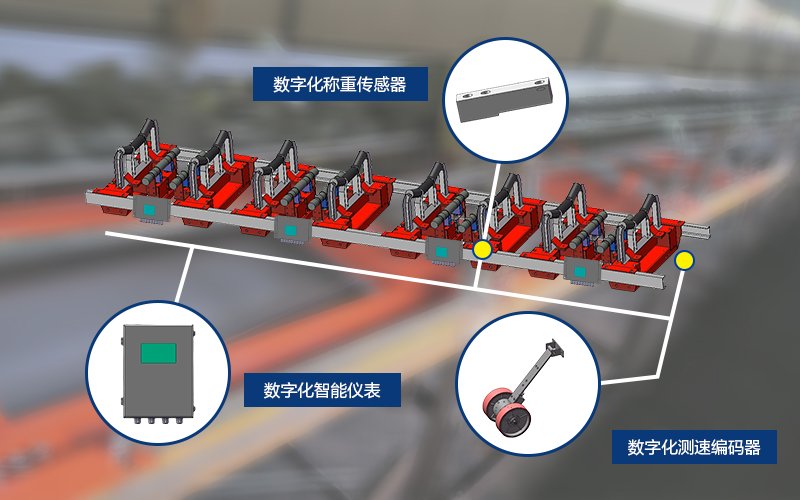
Guonuo's AI belt scale weighing system deploys a new generation of high-sensitivity, overload-resistant sensor arrays to capture raw data such as belt load and speed in real-time. Simultaneously, the weighing system utilizes AI cameras, hydraulic neural devices, etc., to comprehensively obtain data on material flow and belt off-loading. Intelligent algorithms construct dynamic compensation models based on the acquired data and learning models, automatically correcting measurement values and adjusting zero points.
This ensures that, under various complex working conditions, the measurement accuracy remains consistently stable at an astonishing ±0.25% or even higher, far exceeding the requirements of national relevant metrological verification regulations (e.g., JJG195) for the highest accuracy class (0.5 class), providing an unshakable measurement foundation for trade settlements and production management.
Pain Point 2 Terminator: Intelligent Self-Diagnosis and Self-Calibration for Uninterrupted Stable Operation
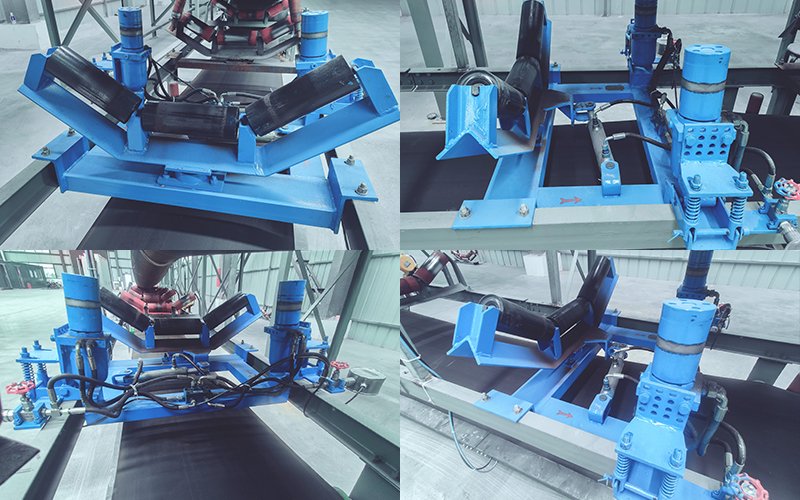
Say goodbye to relying on manual and fixed-cycle maintenance methods. Guonuo's AI belt scale weighing system features powerful self-diagnosis and self-learning capabilities:
- Intelligent Zero-Point Tracking: The system continuously monitors the zero-point state, automatically identifying genuine zero-point drifts caused by gradual temperature changes, slow release of mechanical stress, etc., and performs intelligent compensation without frequent manual zeroing.
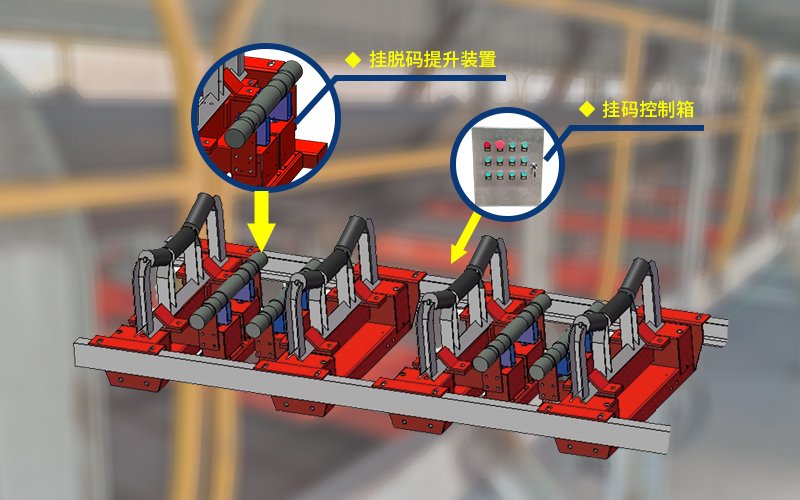
- Adaptive Span Maintenance: The scale frame integrates standard bar codes, and based on real-time evaluation of the belt scale's overall operating status, the measurement results are analyzed. An intelligent online calibration algorithm performs online calibrations based on the data analysis results, without requiring shutdowns or production interruptions, significantly reducing interference with production.
- Key Component Health Alerts: AI models analyze signal characteristic changes in key components such as sensors and speed measurement units, providing early warnings of potential faults or performance degradation risks (e.g., decreased sensor sensitivity), enabling predictive maintenance and preventing issues before they arise.
Pain Point 3 Terminator: Simplified Installation and Intelligent Maintenance for Visible Cost Reduction and Efficiency Gains
Guonuo's AI system incorporates a profound understanding of the complexity of industrial sites in its design:
- Increased Tolerance for Installation Environment: The powerful anti-interference capabilities of AI algorithms reduce, to a certain extent, the stringent requirements for installation foundations, mechanical structures (e.g., scale frame alignment), and maintenance personnel skill levels, accelerating the deployment process.
- Maintenance-Free/Low-Maintenance Design: High-protection-grade sensors and wear-resistant, corrosion-resistant components, combined with optimized mechanical structures, significantly enhance durability in harsh environments such as dust and humidity.
- Remote Intelligent Maintenance: The system is equipped with a comprehensive remote monitoring and management platform. Engineers can view equipment status, operating data, alarm information, and diagnostic reports in real-time via the internet. Most routine issues can be resolved through remote guidance or even online parameter adjustments, significantly reducing on-site maintenance frequency and time, and lowering overall maintenance costs.
Pain Point 4 Terminator: Data-Driven Intelligent Insights for Empowering Lean Management
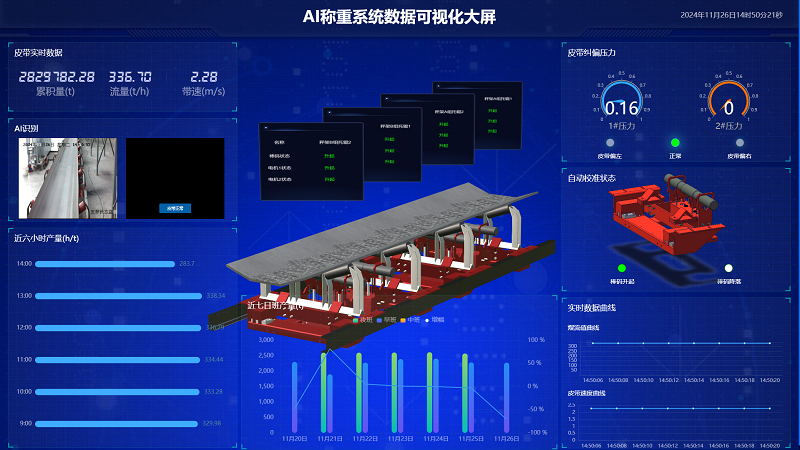
Guonuo's AI system is not just a weighing tool but an intelligent data analysis terminal embedded in the production line:
- Real-Time Flow Fluctuation Monitoring: Provides high-precision, high-refresh-rate data on instantaneous flow, batch cumulative amounts, and shift/daily/monthly production, enabling real-time control over the production pulse.
- In-Depth Operational Analysis: The AI engine continuously analyzes indicators such as belt load distribution, speed stability, and operating efficiency, promptly detecting abnormalities in equipment sensors and idlers, and enabling proactive and online equipment maintenance without manual inspections.
- Enhanced Traceability: Detailed records of all key weighing data and events during production (e.g., start-stop, calibration, alarms) provide a complete data chain for quality traceability, efficiency analysis, and cost accounting.
- Seamless Integration: Open data interfaces ensure real-time sharing of weighing data and smooth integration with existing enterprise systems such as DCS and MES, providing a solid and reliable quantitative basis for production scheduling, process optimization, energy management, and cost control, driving enterprises towards intelligent manufacturing.
Guonuo Technology's AI High-Precision Belt Scale Weighing System, empowered by powerful artificial intelligence algorithms, has successfully ended the four major pain points in the belt scale measurement process: erratic precision, difficult maintenance, delayed data, and high costs. It is not just a measuring instrument but a key infrastructure for industrial enterprises to achieve precise measurement, intelligent maintenance, and data-driven decision-making.