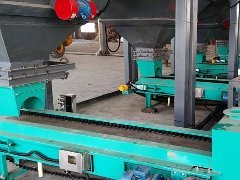
Belt weighing feeders may experience inaccurate metering or flow interruption during operation. When such issues arise with the feeder, it is essential to understand the causes in order to address them effectively. Therefore, identifying and investigating the causes are necessary for quick problem resolution.
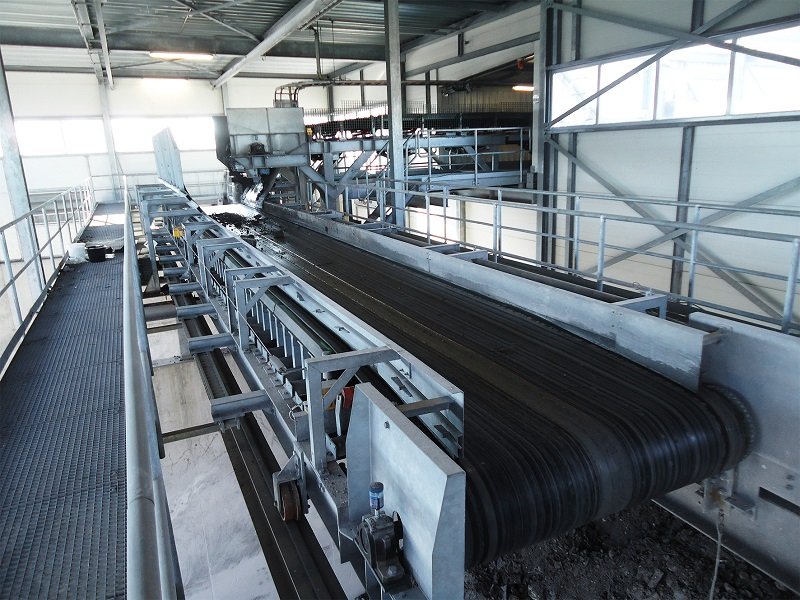
1. Belt Issues
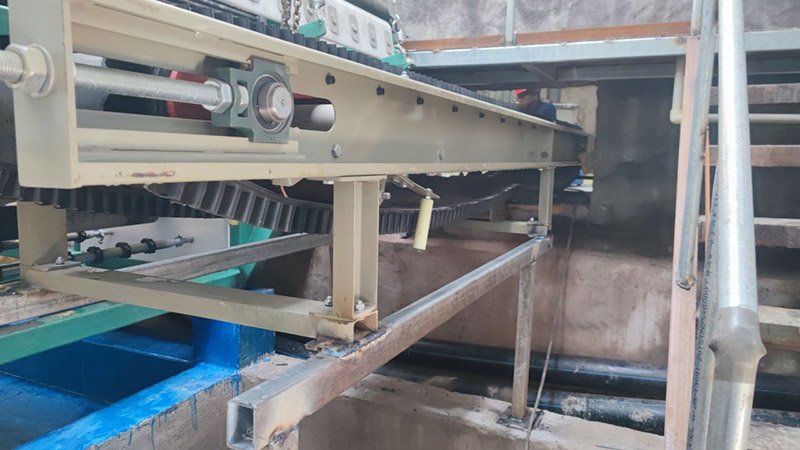
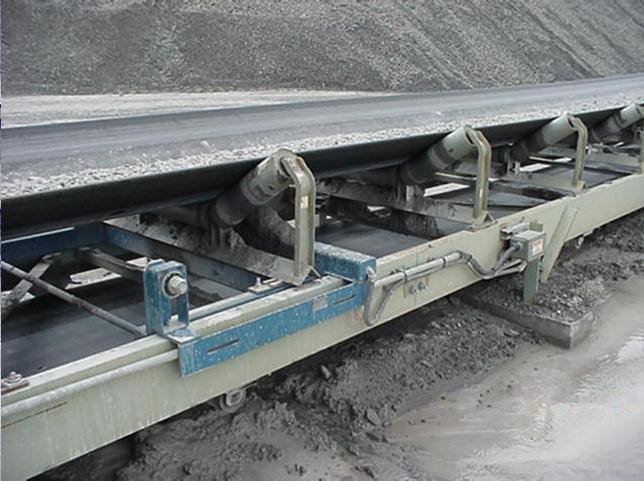
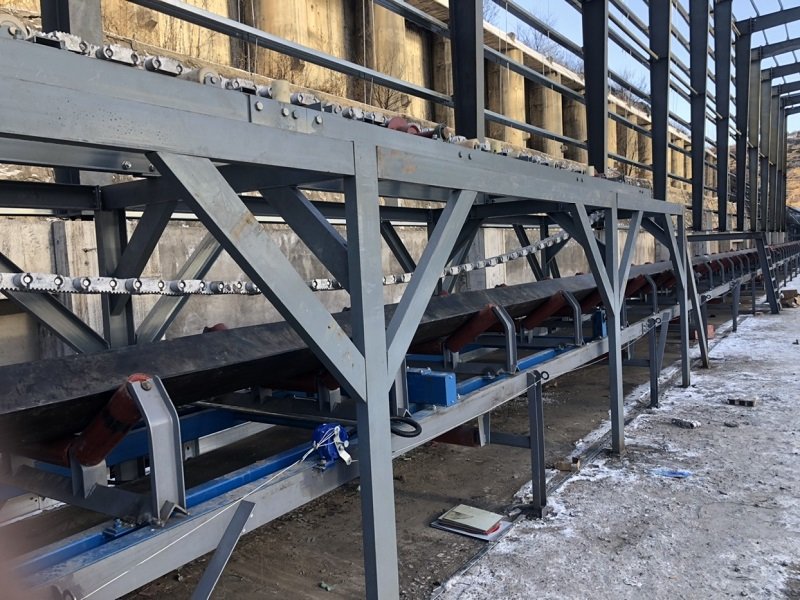
When problems occur with the belt, they can lead to flow interruption in the belt weighing feeder. Adjustments can be made to the tensioning screw rods, ensuring that the difference between the left and right screw rods is no less than 10 millimeters. Check for any adhered materials on the belt and clean them promptly if found. Inspect the surface and edges of the belt for damage, and replace it if necessary.
2. Feeder Blockage
Check if there is any material accumulation or blockage in the feeder of the belt weighing feeder. If blockage occurs, clear it promptly.
3. Issues with Drive and Driven Rollers
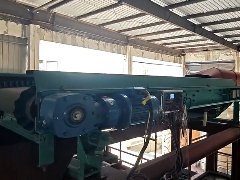
Verify whether the drive and driven rollers rotate smoothly and check for any deformation or detachment of the rubber layer, as well as any damage or deformation of components. If malfunctions occur in the drive or driven rollers, replace them promptly.
4. Coupling Problems
Examine the coupling's elastic elements for cracks or aging. If any issues are found with the elastic elements, replace them promptly.
5. Seal Element Problems
Regularly inspect the seal elements of the belt weighing feeder for signs of aging or severe wear. Replace them promptly if any issues are detected.