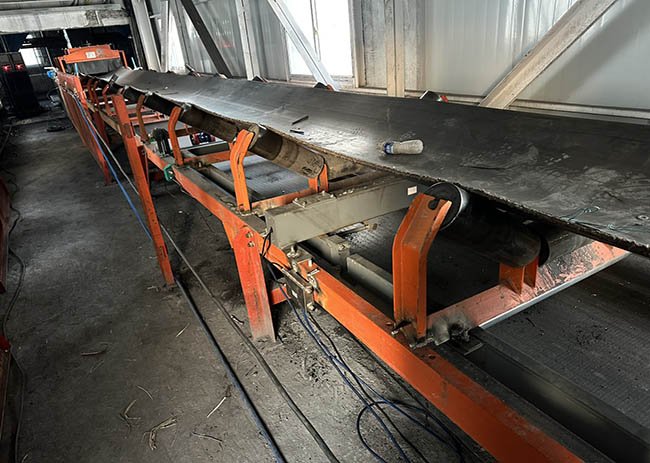
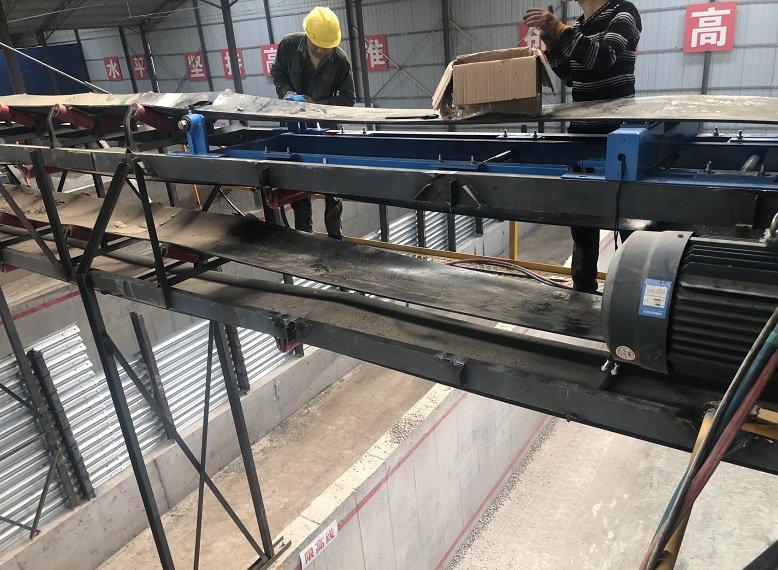
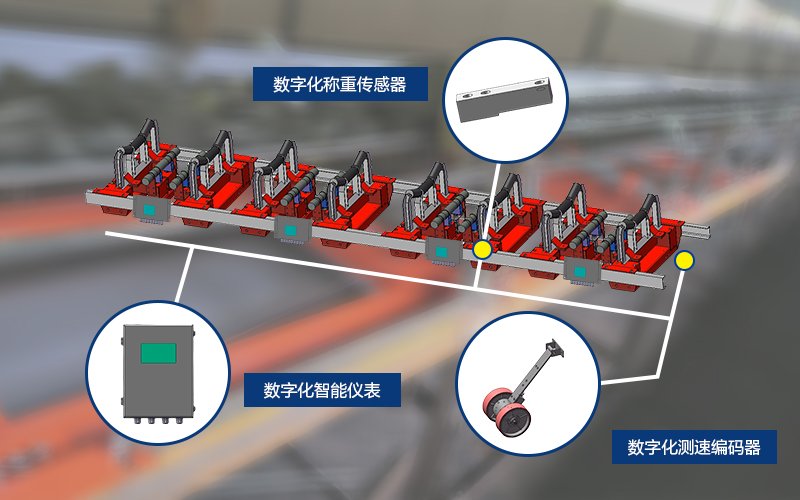
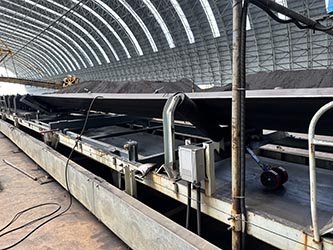
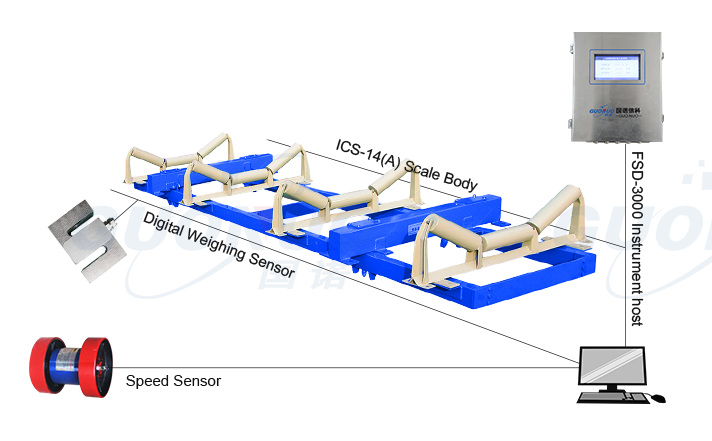
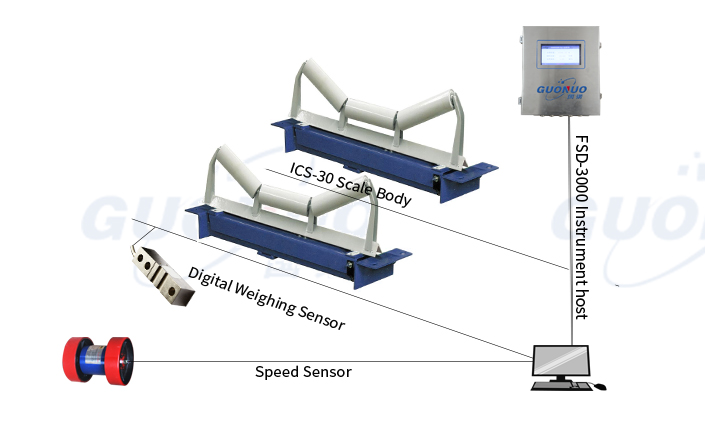
Electronic belt scales hold an irreplaceable position in the dynamic measurement of bulk materials in enterprises due to their high measurement efficiency. Furthermore, with the development and changes in technology and industry, there are increasingly high requirements for the measurement accuracy and stability of belt scales, as well as simple operation and reduced maintenance. These factors necessitate not only improving the quality, technology, and performance of the belt scales themselves, but also ensuring scientific and correct installation. Therefore, to maximize the role and value of belt scales, their correct installation is extremely important, and it must comply with relevant technical standards.
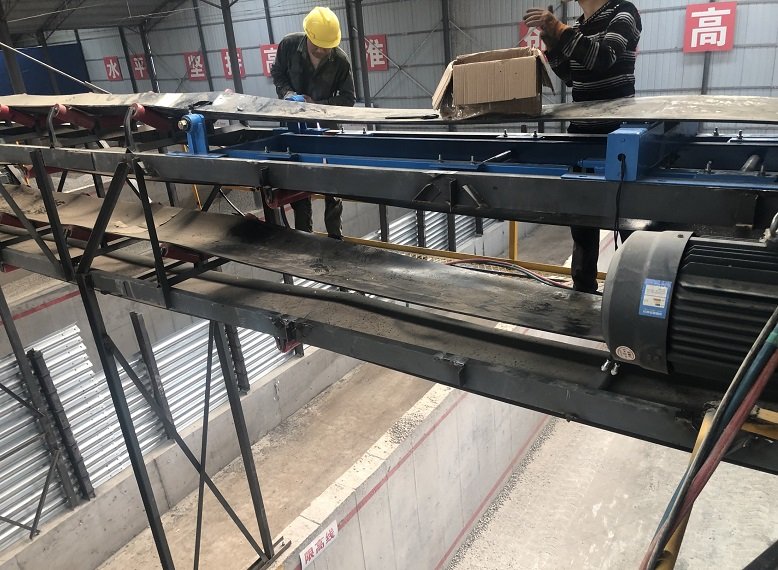
Although the electronic belt scales from different manufacturers may vary slightly in structure, technology, and design, overall, there are common technical requirements for their installation:
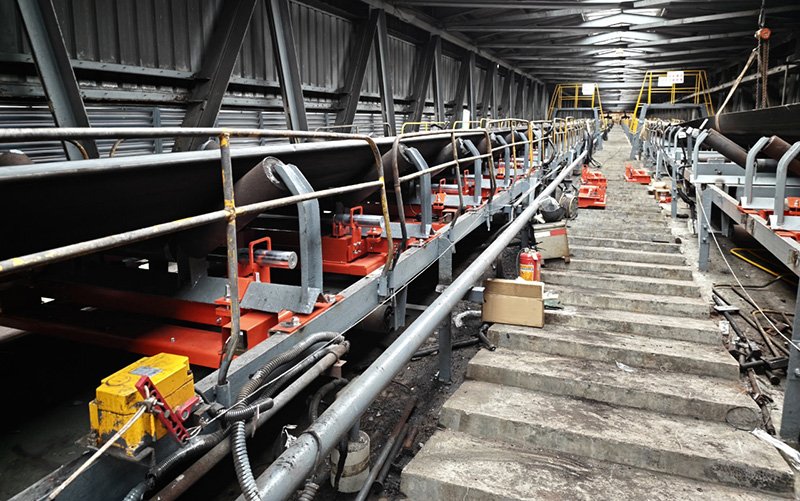
(1) Before installing an electronic belt scale, it is crucial to fully understand the on-site environment, select the appropriate belt for installation, and determine the specific installation location. One should opt for belts with fewer discharge points and horizontal belt sections. If an incline is the only option, it should be chosen at a bend, but not at a bend where the belt experiences vibration.
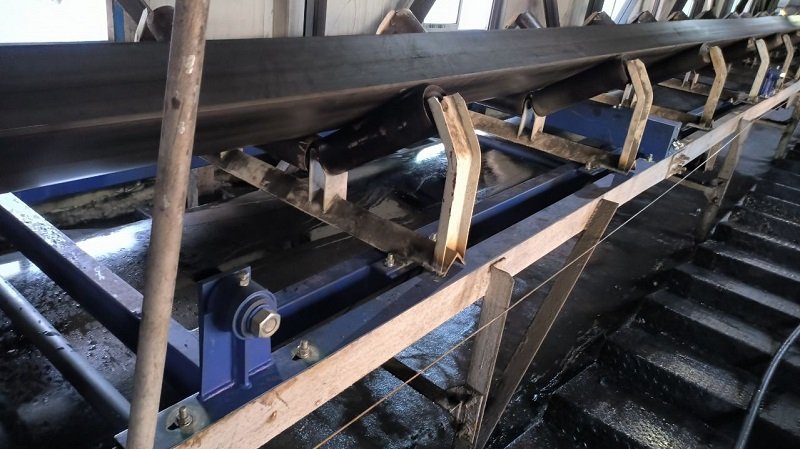
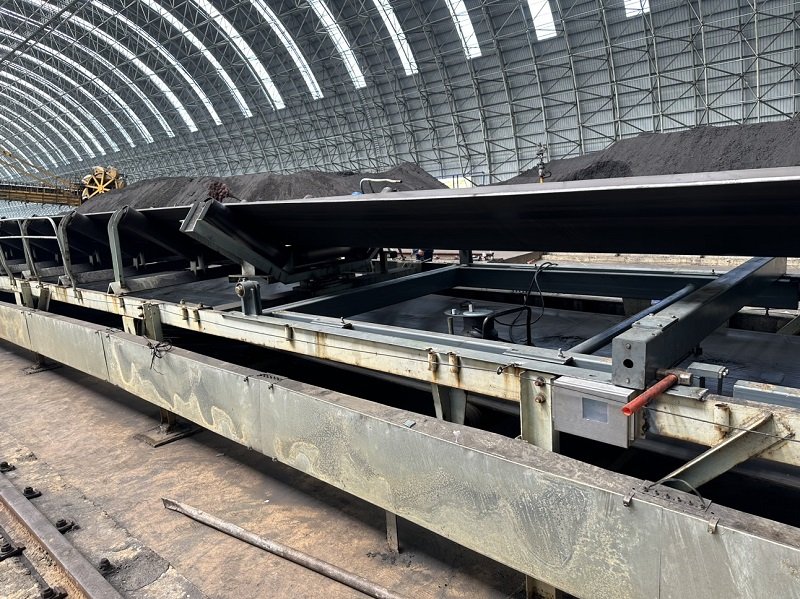
(2) For the installation location of the belt scale, the scale frame should be sturdy and exhibit minimal resonance. If there is significant resonance, it can cause large fluctuations in the zero point of the belt scale.
(3) To reduce zero instability caused by shaking and resonance due to the original thin scale frame, the existing belt scale frame needs to be reinforced.
(4) The idlers in the weighing section should be 1-2mm higher than the idlers outside the weighing section, so that the belt can be fully pressed onto the sensor, whether it is in an unloaded or loaded state.
(5) Since the instrument calculation of the belt weigher is the integral value of the material passing through the weighing section, the idlers in the weighing section must be on the same horizontal plane to avoid errors.
(6) The universal bearing fixed at one end of the scale frame should be flexible, and the sensor should be vertical.
(7) When installing the belt scale, if the screws are not tightened synchronously, it may cause the sensor to be out of vertical alignment, generating internal forces and affecting the measurement accuracy. Therefore, it is necessary to adjust the scale frame in a timely manner. Loosen the screws of the scale frame, shake it to make it in a natural state, observe whether the sensor is vertical, and make adjustments accordingly.
Of course, for the installation of electronic belt scales, when users are unable to install them themselves, Guonuo can arrange for technical personnel to provide on-site guidance, ensuring that the belt scales are installed scientifically and in accordance with specifications, thereby guaranteeing subsequent use.