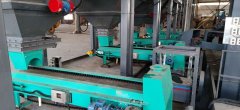
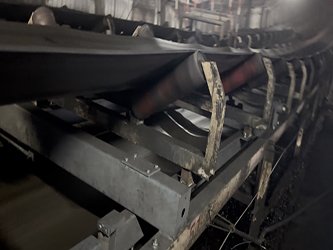
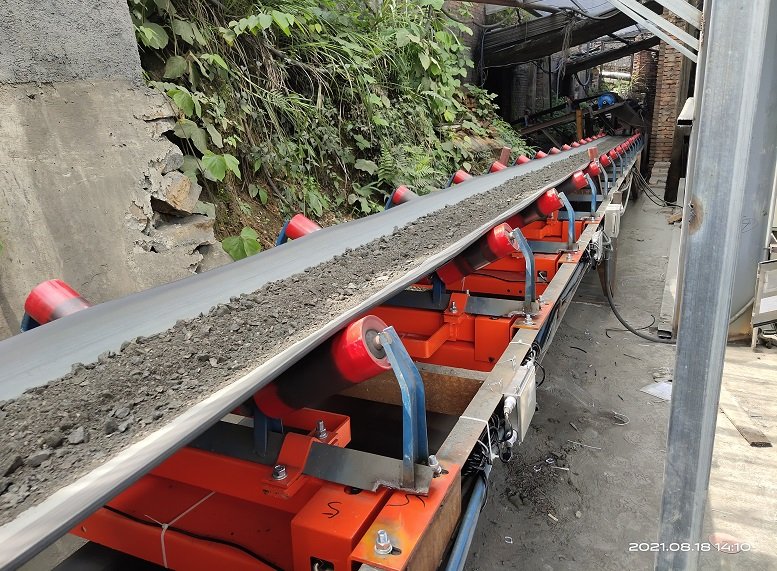
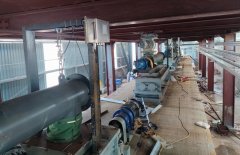
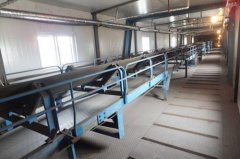
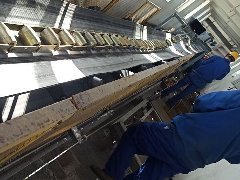
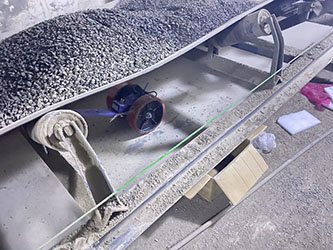
Recently, Guonuo Technology has completed the installation and commissioning of an environmental protection enterprise feeder project. For the same environmental application project, both belt weighing feeders and spiral scales were used on site.
Why do we need to use different equipment for conveying and weighing bulk raw materials? The reason why the application devices are different is mainly determined by the actual production process and application conditions of the users, as well as the differences between the belt weighing feeder and the spiral scale.
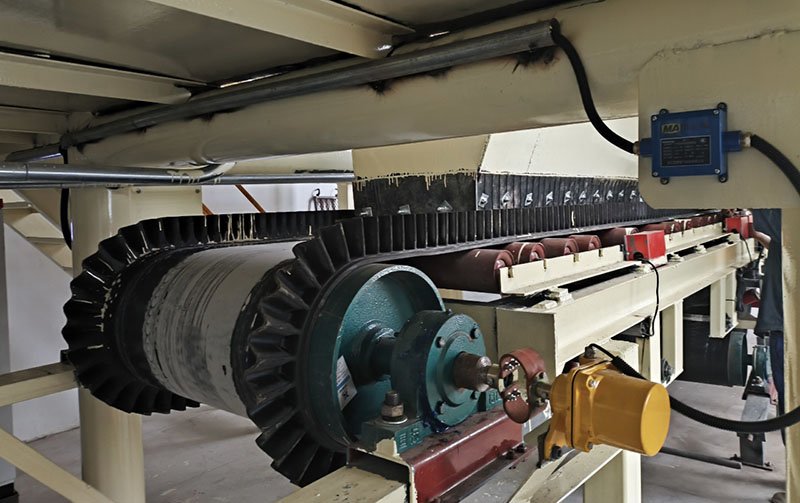
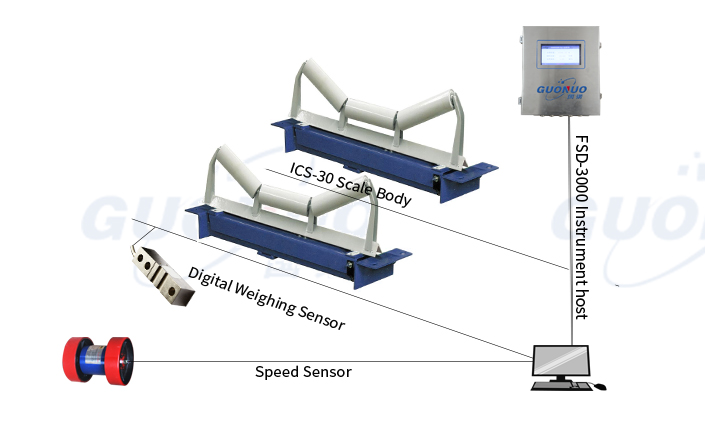
Firstly, let's briefly compare and analyze the differences and similarities between belt weighing feeders and spiral scales. The main commonality between the two lies in their functionality, which involves weighing materials during the transportation of bulk materials. If equipped with an automation control module, both can achieve quantitative control of materials based on dynamic weighing. The main difference between the two lies in:
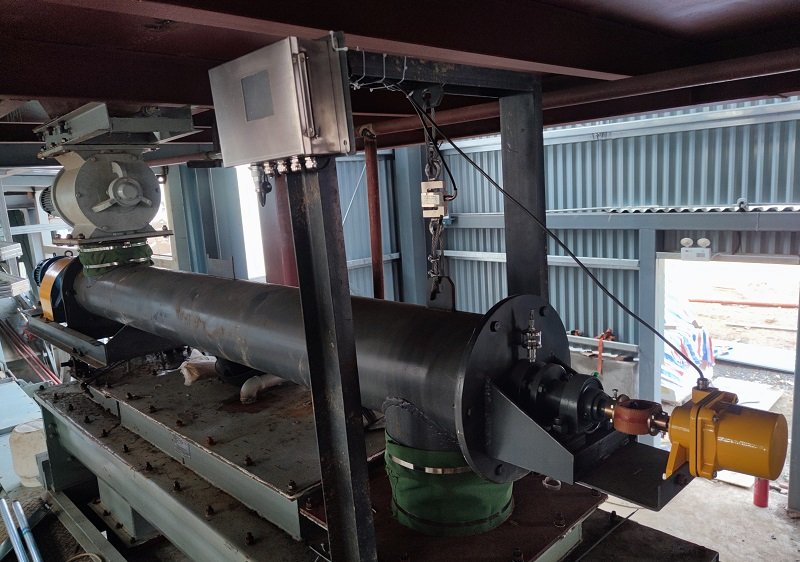
(1) Different structural types and conveying methods: Belt weighing feeders use belts to transport materials, which are non sealed; The spiral scale uses a spiral tube to transport materials, and the spiral tube is sealed;
(2) Different materials suitable for conveying: Materials have different characteristics, and belt weighing feeders are suitable for conveying block shaped and granular materials that are not easily lifted, such as limestone, iron powder, clay, cement, etc; Spiral scales are more suitable for conveying powdery, dust prone, and harmful materials;
(3) The range of transportation capacity is different: the maximum material flow rate of the belt weighing feeder can reach 2000t/h, and the accuracy can reach 0.25%, while the material flow rate and accuracy of the spiral scale are relatively lower, with a maximum conveying capacity of only hundreds of tons per hour and an accuracy of up to 0.5%.
Since there are significant differences between belt weighing feeders and spiral scales, it can be understood which equipment is more suitable based on the actual production conditions and material characteristics on site.
A certain material on site is a raw material that needs to be proportionally fed into the next process. This raw material is in small pieces and is not prone to dust. The transportation capacity is approximately 3 tons per hour, and there is a distance of more than ten meters from the discharge point to the discharge outlet. According to the needs, a belt weighing feeder is more suitable. In order to prevent material spillage, Guonuo has equipped the belt weighing feeder with a blocking plate.
Another type of material being transported is in powder form, which is prone to dust and has certain harmful effects. The transportation capacity is approximately 1 ton per hour. Based on the characteristics of the material, a spiral scale is more suitable. The spiral scale adopts a sealed spiral tube, which can prevent material spillage and dust, and also avoid material pollution to the on-site environment, which may affect the health of on-site personnel.
In short, whether using a belt type weighing feeder or a spiral scale, they are customized based on the product equipment, on-site environment, and requirements, ensuring that they meet the on-site needs and adapt to the on-site conditions in order to fully utilize the equipment. This also reflects the professionalism and pragmatic attitude of Guonuo Technology, which customizes different product solutions based on specific processes and application conditions of users.