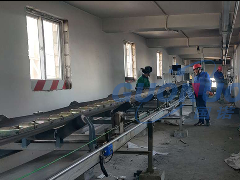
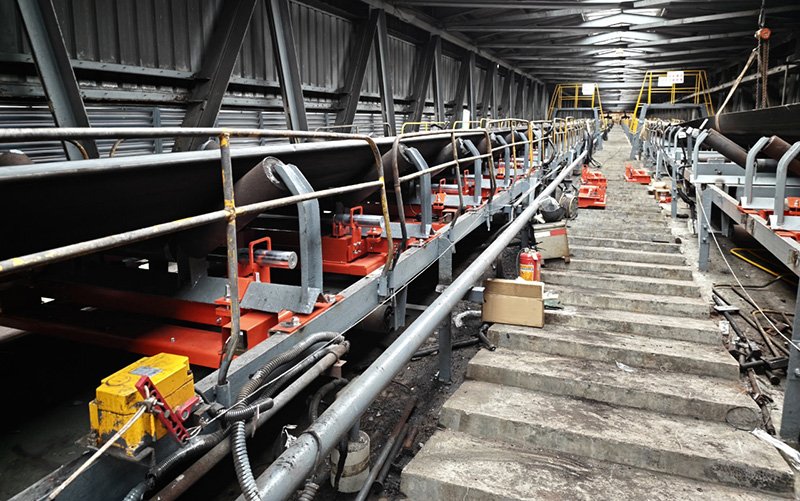
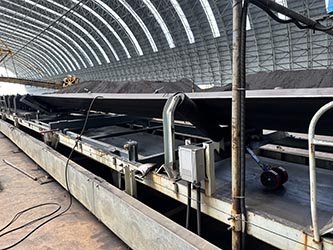
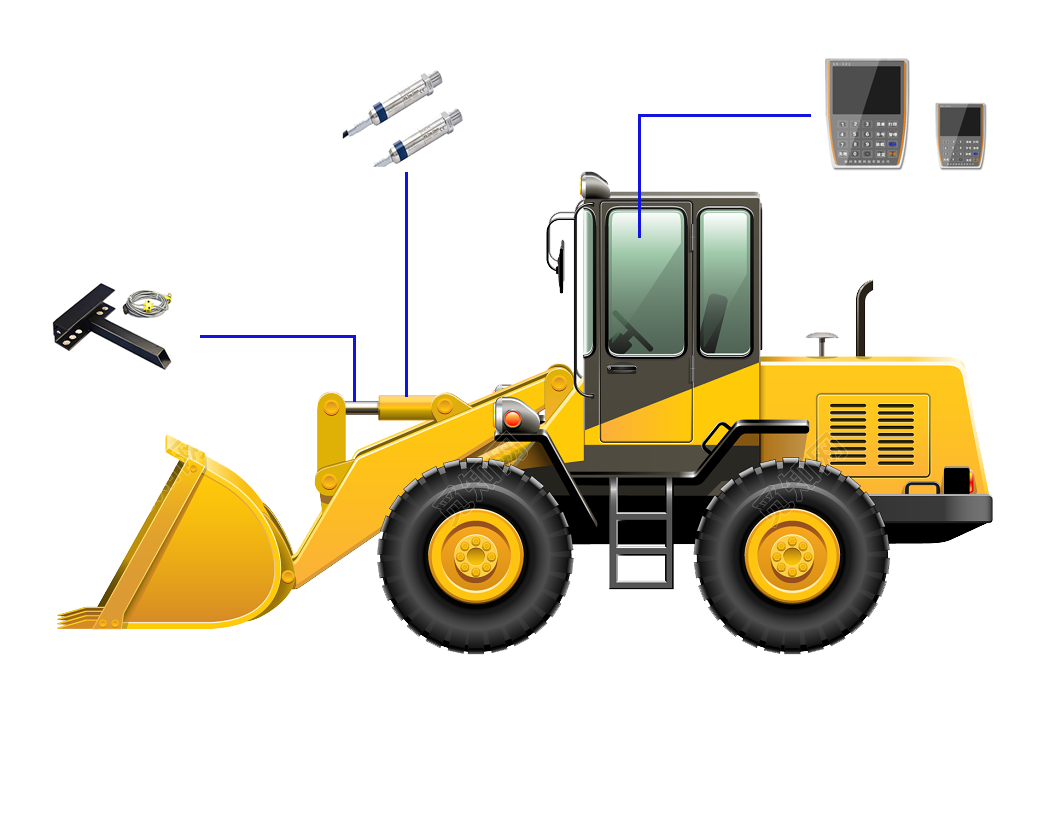
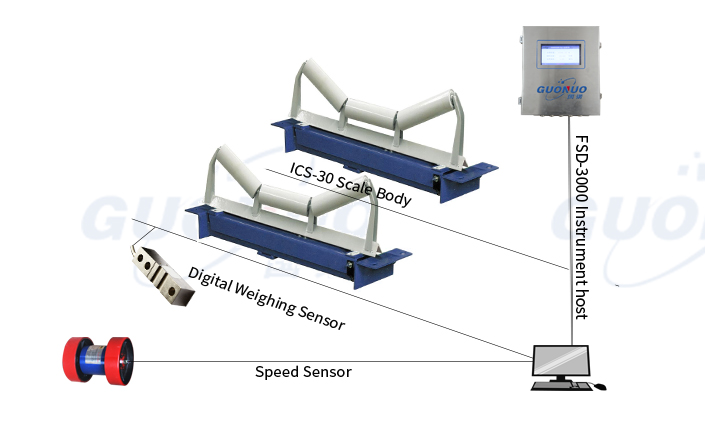
As is well known, electronic belt scale is a highly sensitive dynamic continuous measuring instrument, which is mostly used for weighing and measuring materials on belt conveyors in industrial environments.
Due to its own characteristics and the application environment, its measurement accuracy and stability during the measurement process are easily affected. To maintain the measurement accuracy and stability of the electronic belt scale, it is essential to perform proper maintenance and calibration operations for the electronic belt scale to fully utilize its inherent advantages.
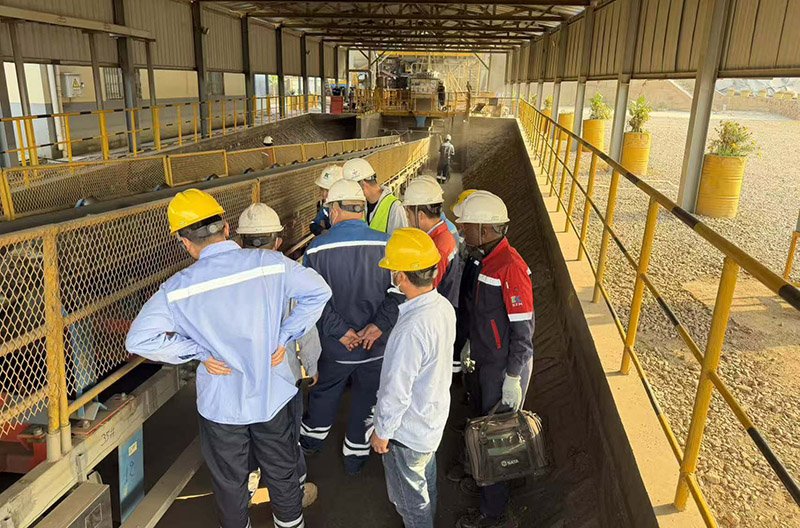
1. Maintenance and upkeep of electronic belt scales
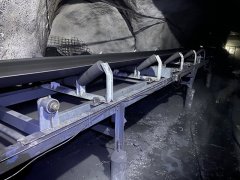
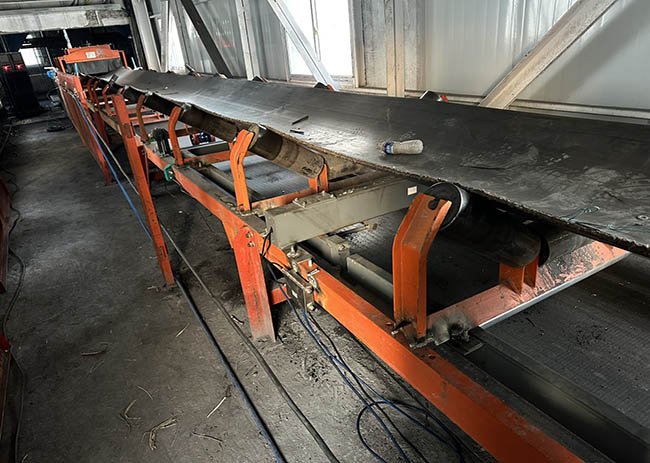
(1) Ensure the cleanliness of the belt scale frame and components, and regularly remove dust from the control display to prevent static electricity from damaging electronic components; Timely clean the scale frame to prevent moisture, dust, moisture, and rust from increasing the friction force of the rollers, affecting the tension of the belt, and causing changes in measurement accuracy; Promptly remove jammed materials from the rollers and scales.
(2) Do a good job of zero adjustment. It is better to adjust to zero once every shift after taking over the base note. Regular zeroing is the most effective way to improve accuracy. When zeroing, there should be no scattered materials on the belt.
(3) Proper calibration work should be carried out regularly based on the actual application environment and equipment operation of the electronic belt scale to ensure the accuracy of the belt scale system.
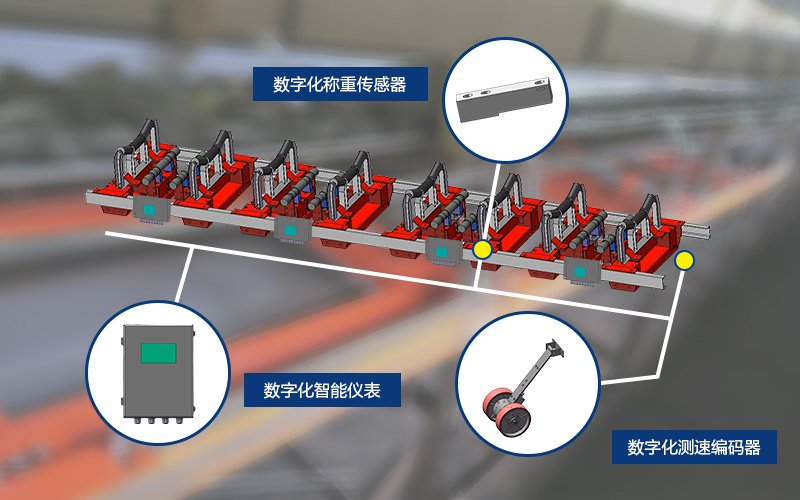
(4) Protect the weighing sensor and signal cable, and ensure that the protective cover of the cable is intact to prevent moisture. It is best not to have joints in the signal main cable. If the connection distance is far and the cable is too long, and joints are necessary, the core and shielding wire should be welded separately, wrapped with waterproof glue, and covered with protective glue sleeves.
(5) Regularly monitor the operation of the rollers to ensure their flexibility. If it is found that the roller is not running smoothly or has abnormal noise, it should be promptly investigated, resolved or replaced. After replacing the roller, tighten the bolts.
(6) Do not easily twist the suspension rod bolts and installation accessories of the weighing sensor.
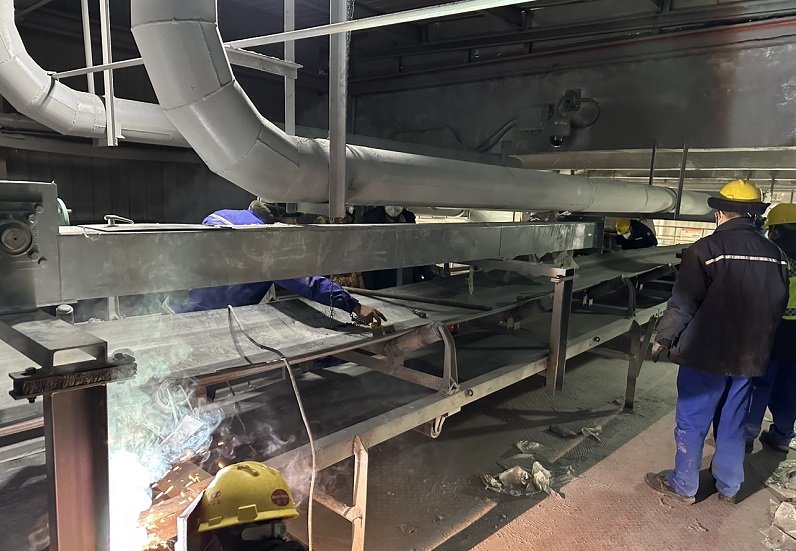
(7) Welding operations are not allowed on the scale frame. When welding near the weighing area, the bottom line of the welding machine should be connected to the welding point.
(8) The scale frame should not be subjected to any external force other than the weight of the material being weighed, such as walking on the weighing section without human intervention.
(9) Regularly inspect the condition of the belt and promptly repair or replace it with a new one if damage or aging is found.
2. Calibration operation of electronic belt scale
Electronic belt scales should be calibrated regularly by hanging codes, chain codes, or physical objects.
(1) Hanging code calibration is simple and convenient, but the accuracy of calibration is not high. Place the weight on the scale body, symmetrical on both sides, to simulate the weight of the material. This calibration method is only suitable for situations with low accuracy.
(2) Chain code calibration is a calibration method that simulates material flow using chain code strips. It is more complex to operate than hanging codes, but has high calibration accuracy. In situations where physical calibration is not possible, chain code calibration can be used instead of physical calibration.
(3) In situations where high precision is required and on-site conditions are met, physical calibration can be performed, fully utilizing actual materials for calibration. The operation is complex and requires high standards.
(4) Before calibration, ensure that all components of the electronic belt scale are in good condition and there are no debris or retained materials on the belt; During the calibration period, apart from the weights, chain codes, or physical objects to be used, there must be no other foreign objects on the belt, and no other operations are allowed.
Proper maintenance and calibration of electronic belt scales can help maintain their accuracy and stability. For more questions about electronic belt scales, please consult Guonuo Technology.