Accurate measurement is an indispensable part of modern industrial production. Especially in mining, metallurgy, power and other industries, the accurate measurement of bulk material conveying volume has become a key factor for the operation of various production lines.
To improve measurement accuracy and stability, the matrix high-precision electronic belt scale has been developed, and it has become an essential measuring device across multiple sectors.
I. Design Features: A Precisely Coordinated Digital Sensing Array
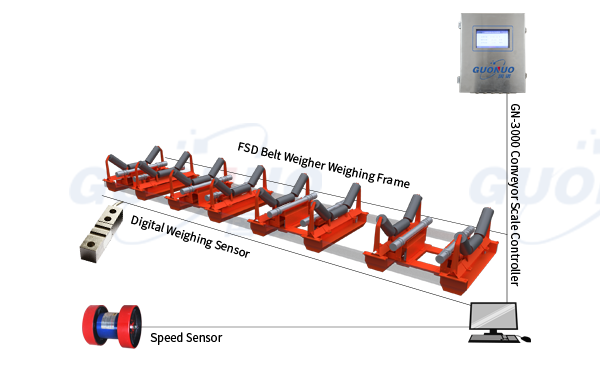
Breaking away from the traditional lever-type, single-point or dual-point force measurement modes, the matrix electronic belt scale adopts a topological structure of distributed multi-point sensor arrays, which represents its core design concept.
1.Arrayed Sensing Network
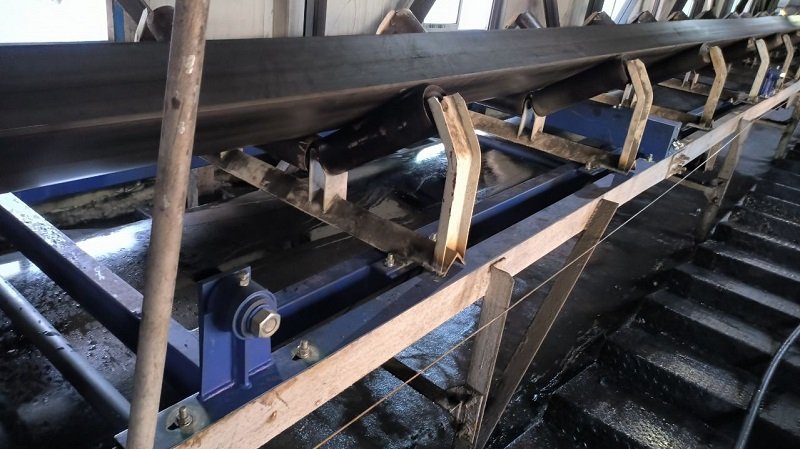
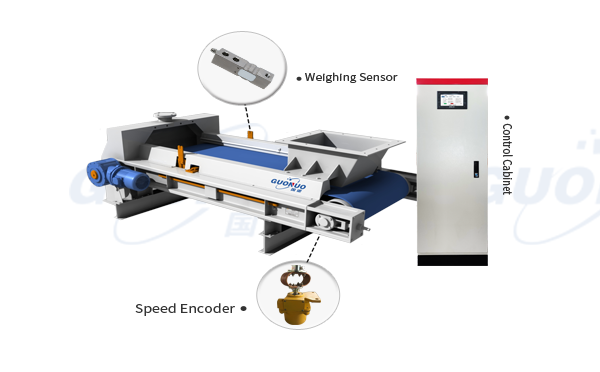
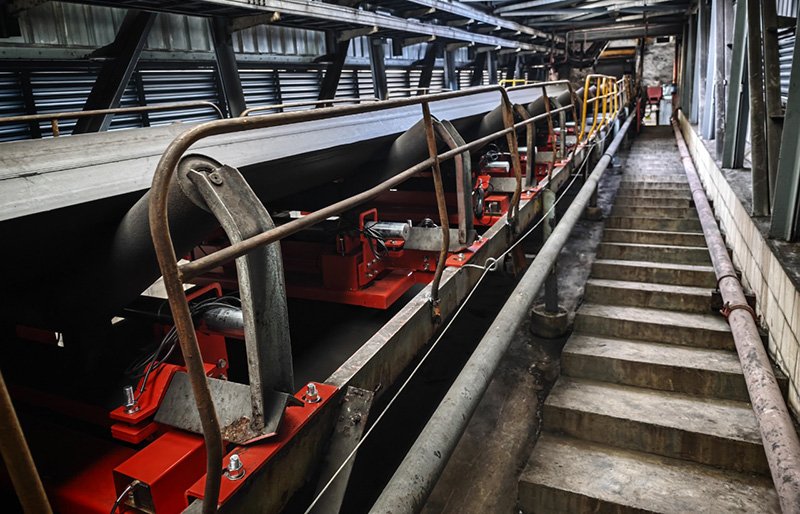
Multiple high-precision load cells are arranged along the length of the weighing area. Generally, one weighing unit is equipped with four sensors, and multiple weighing units can be configured flexibly to form a dense measuring matrix. This spatial layout enables the device to capture comprehensive load distribution information under the conveyor belt.
2.Tension Field Reconstruction and Compensation
The core merit of multi-point measurement lies in the real-time perception and reconstruction of the dynamic tension gradient field during belt operation. The system analyzes data deviations from each sensor via sophisticated algorithms, so as to accurately identify and actively compensate for complex interference signals caused by uneven belt tension or eccentric material loading.
3.Data Fusion and Improved Data Reliability
Every sensor in the matrix collects material load data. The powerful data processing unit performs multi-channel signal fusion and redundancy verification.
It not only greatly enhances the reliability of single measurement, but also endows the system with strong resistance to local interferences such as adhered materials and instantaneous impact, as well as self-diagnosis capability. In addition, each sensor works independently. If one sensor malfunctions, the system will automatically eliminate abnormal data to guarantee overall measurement accuracy.
4.Optimized Mechanical Bearing Structure
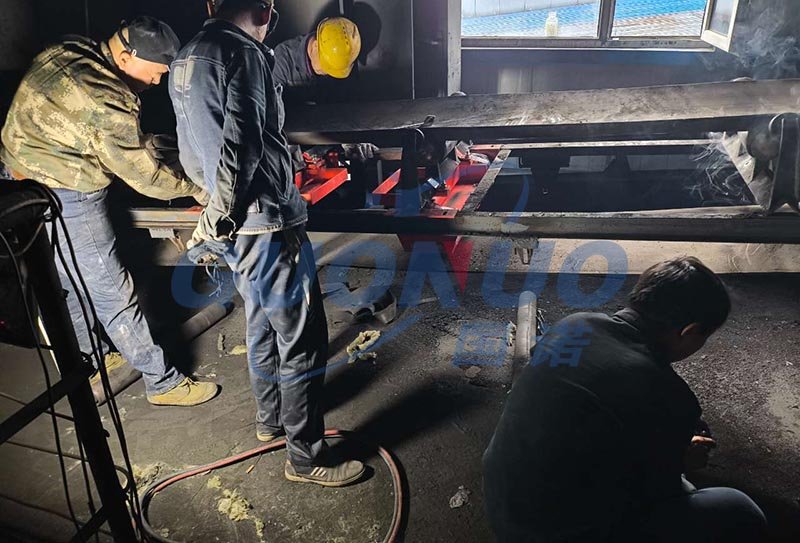
To support the dense sensor array and ensure long-term stability of each measuring point, the scale frame is designed with high rigidity and low deflection, and equipped with precision mounting reference surfaces. This creates a solid foundation for consistent measurement at all points.
II. Application Advantages: Value Upgrade Beyond Measurement Accuracy
The advantages of the matrix design go far beyond higher measurement readings. It delivers outstanding multi-dimensional values in practical industrial applications.
1.High-precision Measurement Provides Reliable Data for Management
This is its most prominent core advantage. Benefiting from multi-point sampling, tension gradient compensation and comprehensive processing by advanced algorithms, the matrix belt scale maintains far better long-term measurement accuracy than traditional models under complex working conditions, including uneven material distribution, fluctuating belt tension and slight belt deviation.
It boasts superior performance especially for short and medium-length belts and scenarios requiring high measurement precision. The highly accurate measurement results provide solid data support for production supervision, regulation and analysis.
2.Excellent Adaptability to Complex Working Conditions
Traditional belt scales tend to suffer severe accuracy loss under harsh operating environments, such as the terminal of long-distance conveying lines, areas with frequent tension fluctuations and sites with eccentric material loading.
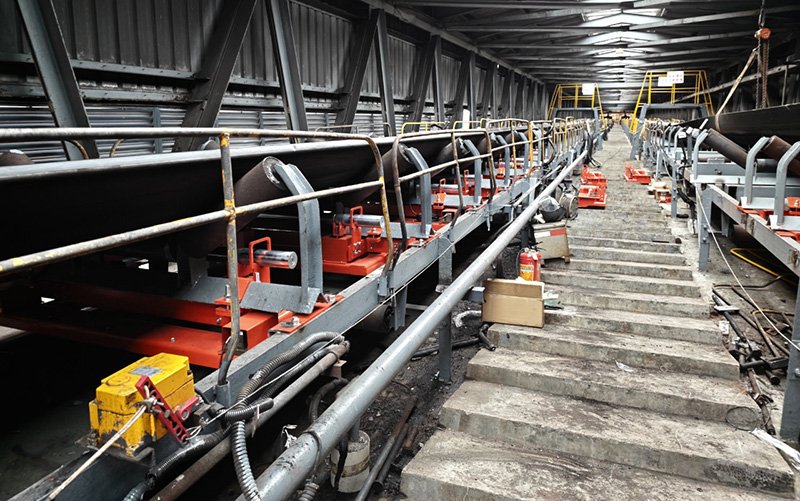
With global perception and compensation for the tension field, the matrix design operates stably under these challenging conditions, and greatly relaxes the strict requirements on installation positions and operating environments.
3.Solid Foundation for Intelligent Upgrade
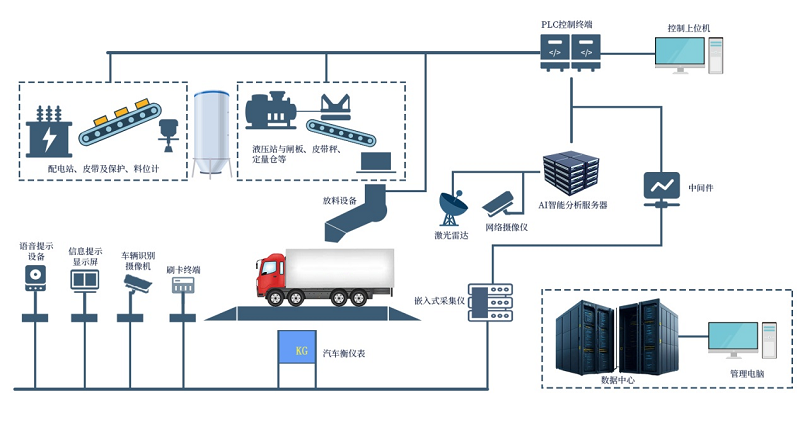
The abundant raw data streams collected by multiple sensors lay a foundation for in-depth data analysis. Combined with modern industrial IoT platforms, the matrix electronic belt scale facilitates in-depth operation status monitoring, predictive maintenance, as well as sophisticated material flow analysis and process optimization.
By reinventing the way of acquiring and processing measurement data, the matrix structure fundamentally enhances the capability of electronic belt scales to adapt to complex industrial sites. Featuring multi-point sensing, global compensation and data fusion, it stands out as an advanced solution for continuous bulk material weighing with high precision and reliability.
As smart manufacturing raises higher requirements for data accuracy and dependability, matrix high-precision electronic belt scales are rapidly becoming the mainstream choice for modern bulk material conveying and measurement systems by virtue of unique technical strengths. It not only accurately weighs materials, but also redefines the paradigm of industrial continuous weighing.