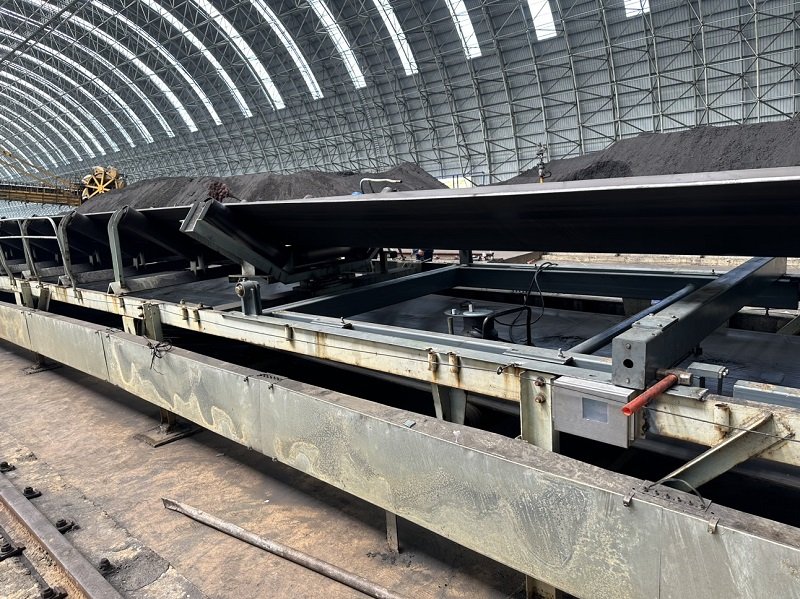
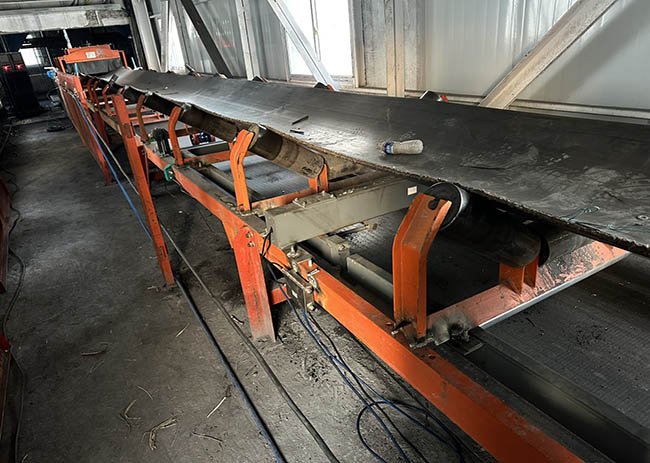
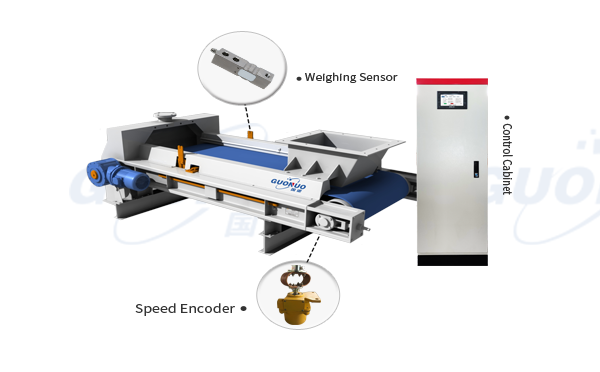
As an automatic weighing instrument for continuous cumulative weighing of bulk materials, belt scales have been widely used since their launch thanks to their high weighing efficiency, easy installation and operation, and favorable cost performance. However, their drawbacks including insufficient accuracy, high requirements for matched on-site conveyors, difficult adjustment, poor durability, and frequent maintenance and calibration limit their application in scenarios demanding high precision and involving complex working conditions.
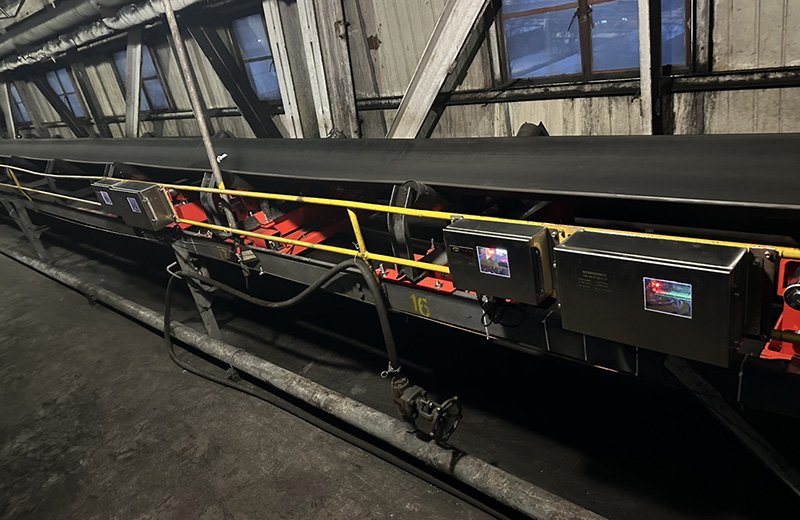
To break such application limitations and boost weighing performance, the high-precision matrix belt scale integrates multiple technical measures to optimize its metering capacity, as detailed below:
1. Matrix Structural Design
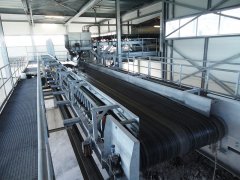
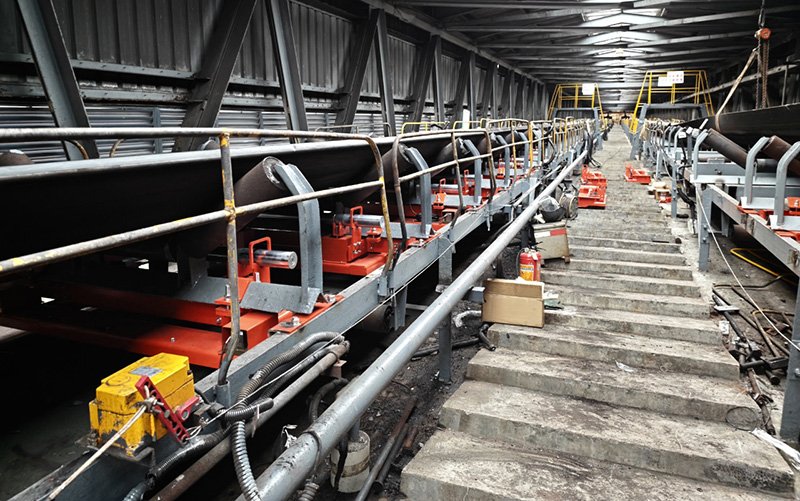
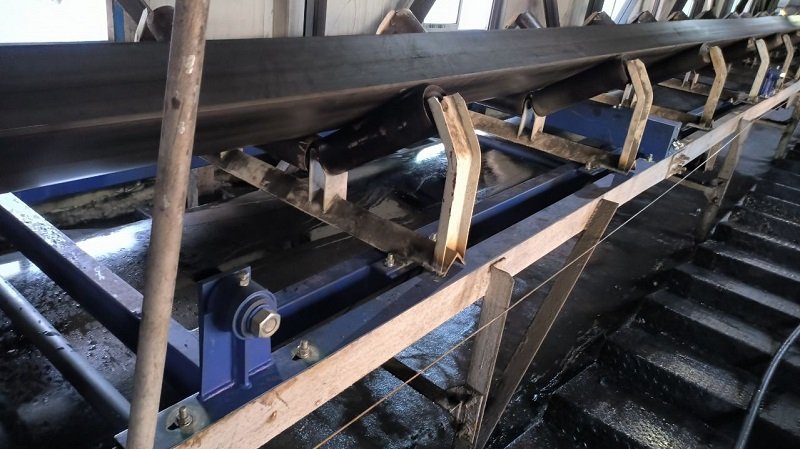
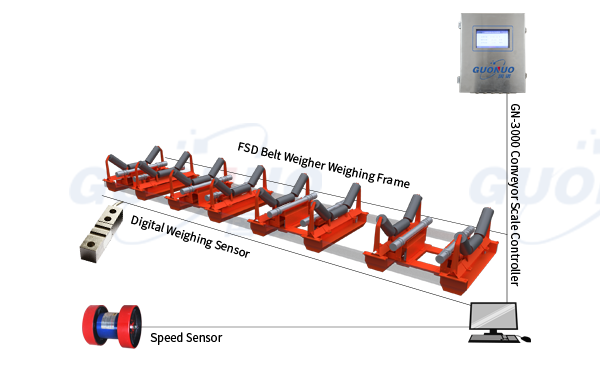
The matrix belt scale features a distinctive matrix structure. Single-point suspended weighing frames form independent weighing units, which are arranged in a matrix layout to construct the metering platform, with weighing sensors also deployed in a matrix pattern. This unique streamlined structure builds a matrix monitoring network that enables multi-point and all-round detection of material flow.
This design greatly simplifies mechanical components and mitigates interferences on weighing results caused by belt tension, eccentric load, mechanical structure self-weight, force transmission and other factors. Such frame structure lowers the matching requirements for conveyors, making the scale applicable to steep-inclined and heavily dusty working conditions.
2. Digital Signal Weighing Sensors
The weighing sensors equipped on the matrix belt scale deliver outstanding detection precision, stability, sensitivity, anti-interference capability and overload protection. They accurately capture material flow signals and convert analog signals into digital signals, realizing lossless signal transmission and highly accurate weighing outputs.
3. New Intelligent Weighing Indicator
The high-performance intelligent weighing indicator receives data from multiple weighing units and conducts dynamic metering. It supports high-precision weighing sampling, real-time high-efficiency data processing, user-friendly human-machine interaction, high-speed network communication and diversified functions.
Equipped with a new high-precision dynamic weighing algorithm, the indicator incorporates error analysis during measurement. Data filtering, calibration and compensation are implemented to enhance the precision and reliability of weighing results.
It also integrates online monitoring, real-time zero tracking and adjustment, intelligent diagnostic analysis, automatic alarm and other functions to detect and resolve faults timely, remarkably improving the long-term operational stability of the belt scale.
4. Automatic Calibration Function
This function automatically judges whether calibration is required according to the actual operation status of the matrix belt scale and completes calibration automatically in a timely manner. With this feature, the high-precision belt scale maintains long-term stable and accurate weighing results without shutdown and manual adjustment.
5. Big Data Remote Weighing Monitoring Platform
A cloud-based remote weighing supervision platform is configured to record and store massive metering data, equipment operation data and fault logs. It supports remote supervision as well as in-depth analysis of mass data.
Machine learning technology is adopted to issue early warnings for abnormal scale operation, while an expert system provides targeted equipment maintenance and overhaul suggestions.
Conclusion
By adopting a full range of advanced technologies, the high-precision matrix belt scale achieves comprehensive improvement in weighing performance, delivering a reliable solution for bulk material metering in industrial production processes.