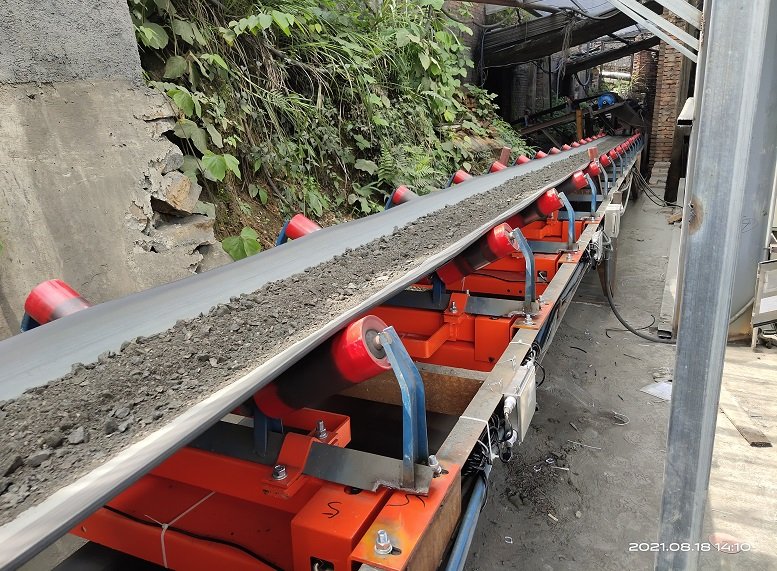
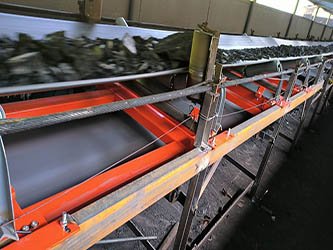
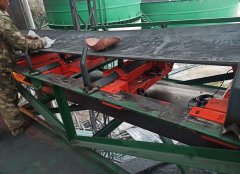
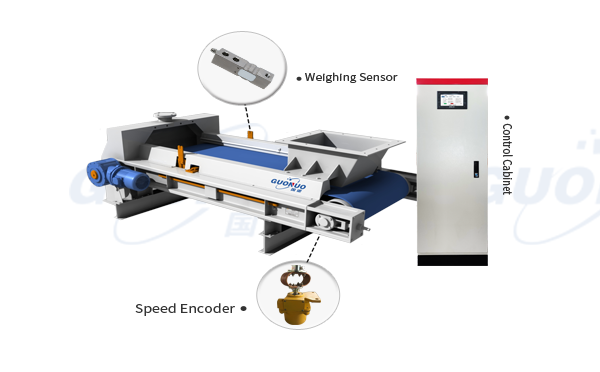
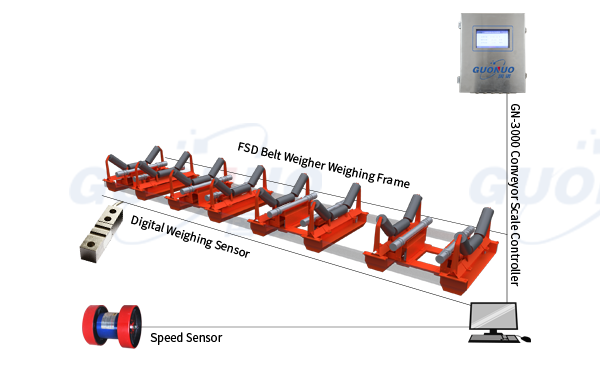
Users who adopt idler-type electronic belt scales all know that the metering accuracy of the belt scale will decline during operation due to the influence of environmental conditions, belt conveyor operation, manual operation and other factors.
Therefore, it is necessary to carry out regular calibration and maintenance for idler-type electronic belt scales. To ensure calibration accuracy, physical calibration is the preferred option whenever on-site conditions allow.
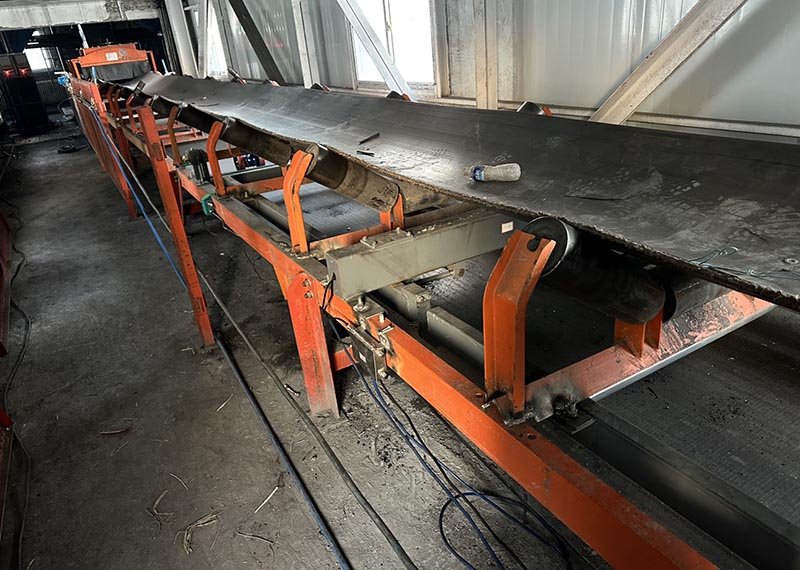
Physical calibration refers to the actual weighing of conveyed materials. Its purpose is to maximize the consistency between the accumulated displayed value on the instrument and the actual material weight, with the error strictly controlled within the specified standard range. Physical calibration can be implemented according to the actual on-site conditions of users, and the recommended calibration cycle is once a month.
Frequent inaccurate zero-point adjustment and unstable weighing results of the idler-type electronic belt scale are usually related to the installation quality of the scale body and the operating environment. The problems can be handled from the following aspects:
(1)Excessive changes in ambient temperature and humidity cause fluctuations in the tension of the conveyor belt, resulting in zero-point drift of the belt scale.
(2)Poor system grounding leads to faults in electronic measuring components.
(3)Severe overload of the weighing sensor causes unstable performance of the sensor and weighing controller.
In addition to calibration, daily maintenance is indispensable to guarantee the long-term metering accuracy and operational stability of idler-type electronic belt scales:
(1)Regularly clean dust accumulated on the scale body, instruments and all components; promptly clear materials stuck on idlers and adhered residues on the conveyor belt.
(2)Keep the scale frame clean and dry to avoid moisture and corrosion, which may increase idler friction and affect metering accuracy.
(3)Do not stand on the weighing section or place heavy objects on it, so as to prevent sensor damage caused by overload.
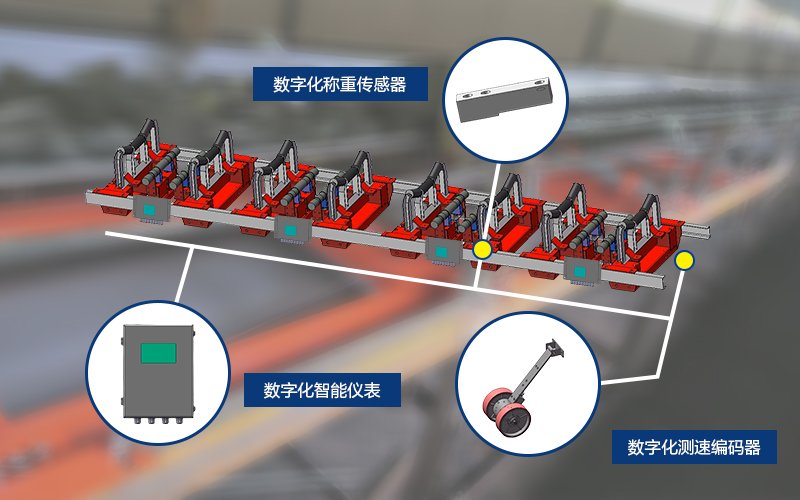
(4)Prevent the speed measuring friction wheel from slipping or accumulating thick dust, which may cause inconsistency between the measured speed and actual material speed and lead to metering errors.
(5)Timely repair or replace the conveyor belt once damage or aging is found.