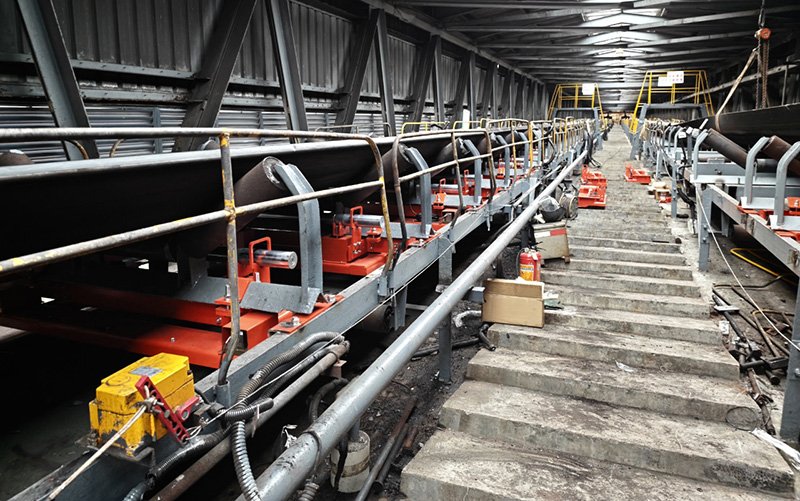
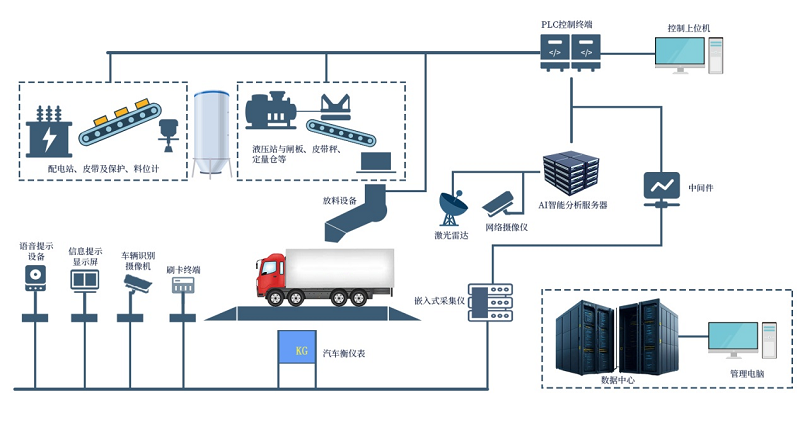
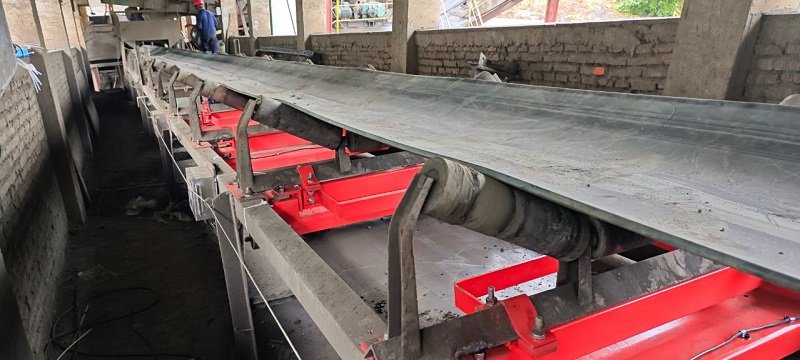
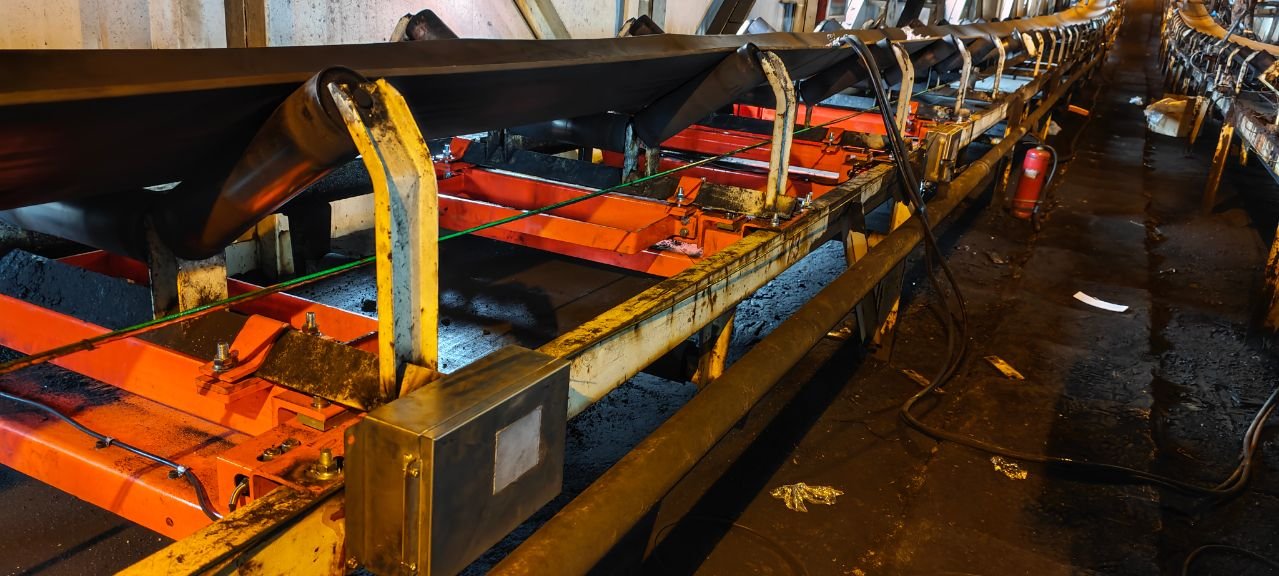
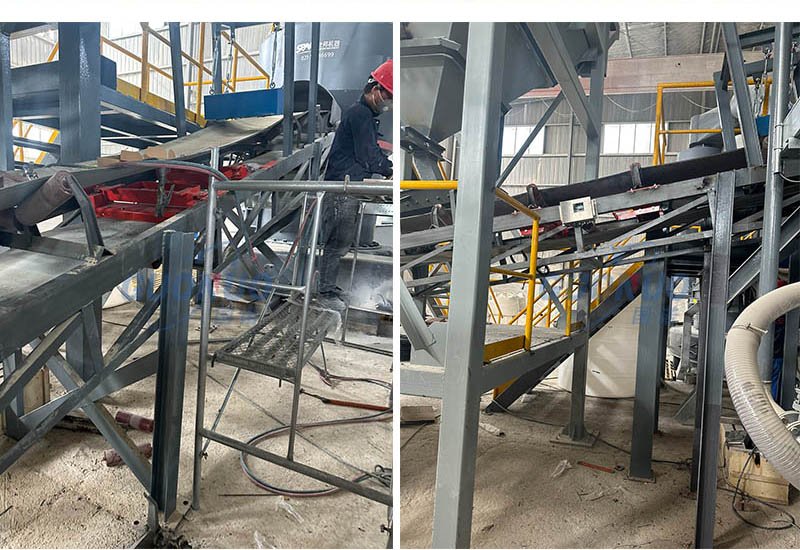
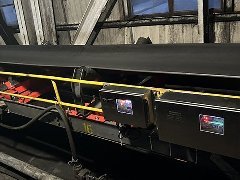
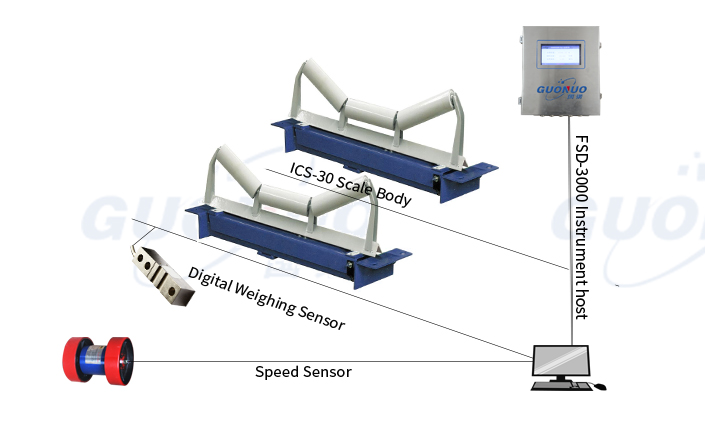
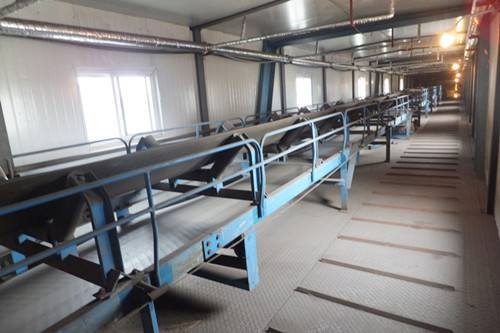
The roller type electronic belt scale is a measuring instrument installed on a belt conveyor, which uses the roller to transmit force and completes dynamic continuous weighing of materials. Its accuracy is related to multiple factors, including the quality of the components of the belt scale and the adaptability on site. The roller type electronic belt scale has various types, but in order to improve the overall measurement accuracy and stability, each component should follow the corresponding technical points.
The components of the roller type electronic belt scale include the scale frame, weighing sensor, speed sensor, and instrument. The main points include:
(1) Scale frame
The more complex the scale frame of the roller type electronic belt scale, the greater the force loss during the transmission process, and factors such as value friction and dust accumulation will affect the measurement accuracy and stability, increasing maintenance.
Therefore, the structure design of the scale should be simple, easy to install, with a small horizontal surface, good resistance to eccentric loads, few force transmission links, accurate force value transmission, strong load-bearing capacity, and impact resistance.
The scale body should have no moving parts or friction parts, reducing the impact of its mechanical structure on measurement and minimizing maintenance. The scale body should limit the radial runout of the weighing section and transition rollers to prevent affecting the measurement accuracy.
(2) Weighing sensor
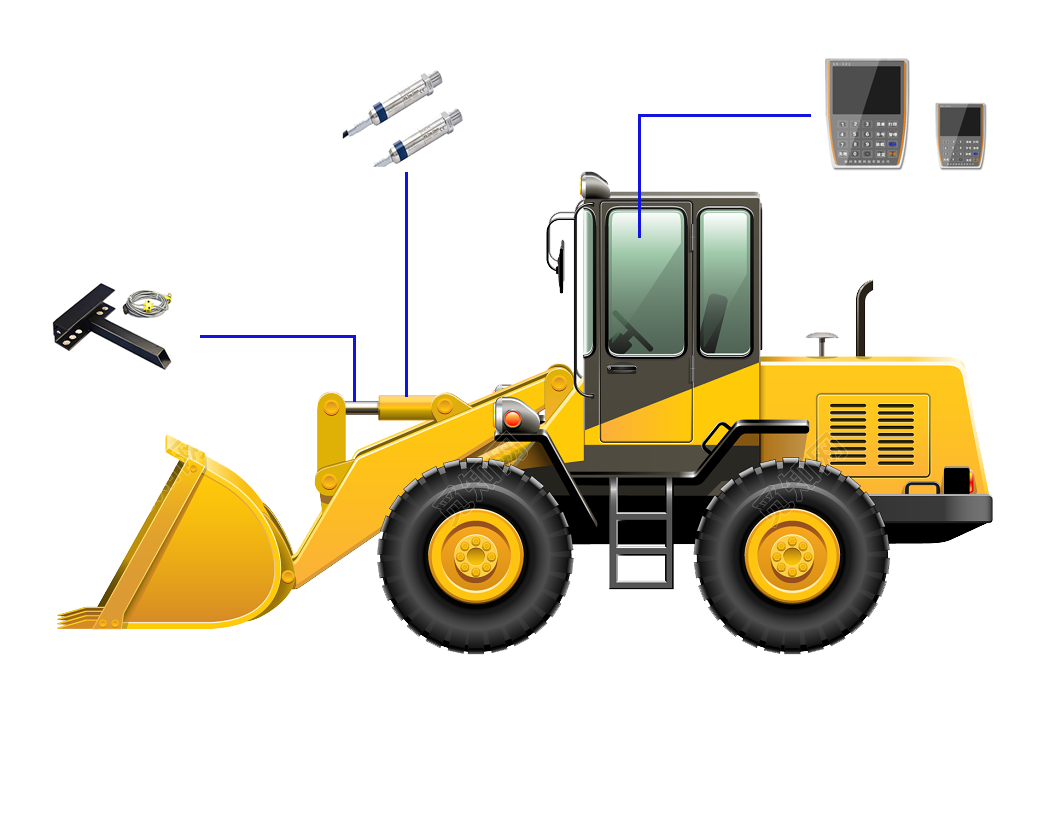
The weighing sensor is the direct source of material load signal for the roller type electronic belt scale, which directly affects the measurement accuracy. Weighing sensors must have good fatigue resistance, high impedance, high sensitivity, and high resolution, otherwise either the accuracy is not high enough or the stability is insufficient. Digital signal weighing sensors have stronger anti-interference ability and higher accuracy compared to analog signals.
(3) Speed sensor
The speed sensor is the direct source of the speed signal for the final measurement result of the belt scale. The weighing result is the product of weight and speed, and its accuracy is also related to the overall accuracy of the belt scale. The rotation axis of the speed sensor cantilever should be very flexible, the cantilever should have a certain length, the friction wheel should have corresponding weight and flexible rotation, and the outer edge should be covered with a material with a high friction coefficient and good wear resistance to ensure sufficient friction between the friction wheel and the belt, so that the friction wheel can accurately reflect the belt speed.
(4) Instrument
The instrument is the data processing core of the roller type electronic belt scale, and its performance and efficiency also affect the measurement of the belt scale, while directly affecting the operating experience of the belt scale. The instrument should adopt high-performance processors with fast computing speed, real-time processing and display of measurement data, multi-threaded working mode, and simultaneous functions such as data reception, processing, display, transmission, and online monitoring. Instruments should have a data transmission structure that facilitates access to information networks for data sharing and transmission. The compensation function, self diagnosis, self-monitoring, self alarm and other functions help improve the accuracy and stability of the belt scale measurement system. Menu prompts, one click calibration, one click zero calibration, and other functions are helpful for on-site personnel to operate and facilitate belt scale calibration and verification.
Each component of the roller type electronic belt scale should have corresponding functions and meet the requirements in order to exert its measuring value in use.