Information technology construction is one of the themes of modern coal mining operations, and strengthening coal mine production supervision through the use of information technology and equipment is an important content. Mining measurement and monitoring products are important means to strengthen coal mine supervision.
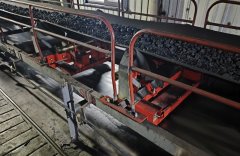
Among them, mining electronic belt scales are the main tools for measuring and monitoring coal mine production, and are important equipment for accurately measuring coal mine production volume.
It relies on sensors, microprocessors, and information technology to measure the quality of bulk coal in real-time, continuously, and dynamically during coal transportation, and provide accurate data feedback to help coal mines optimize production processes and manage resources.
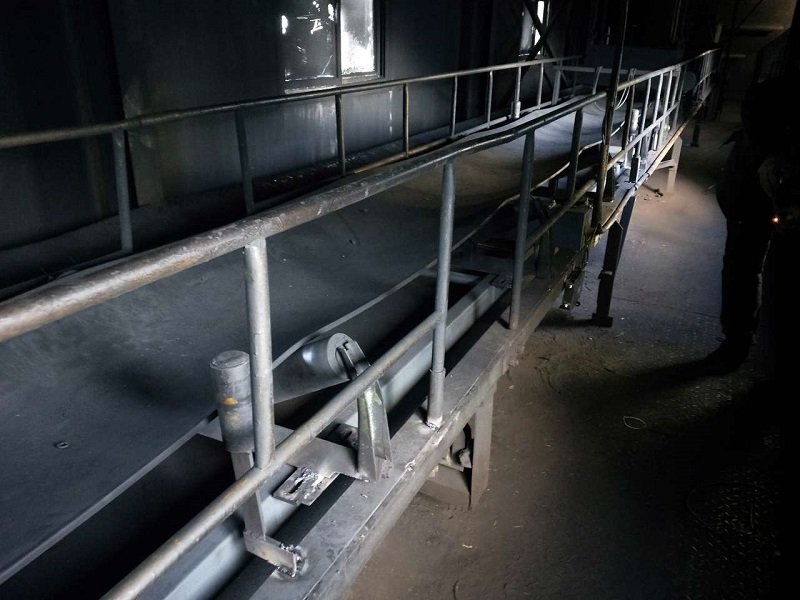
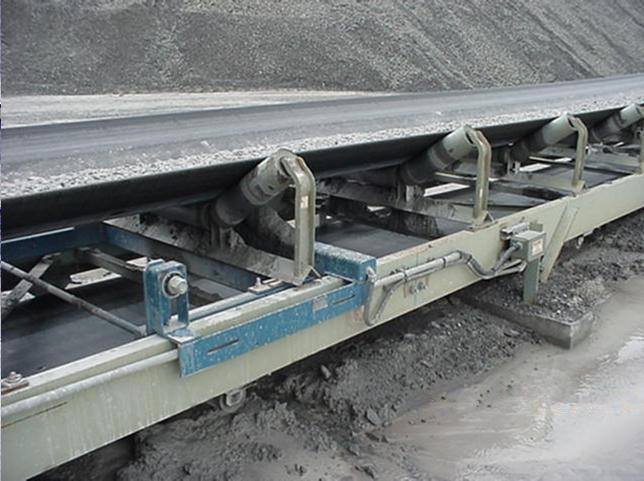
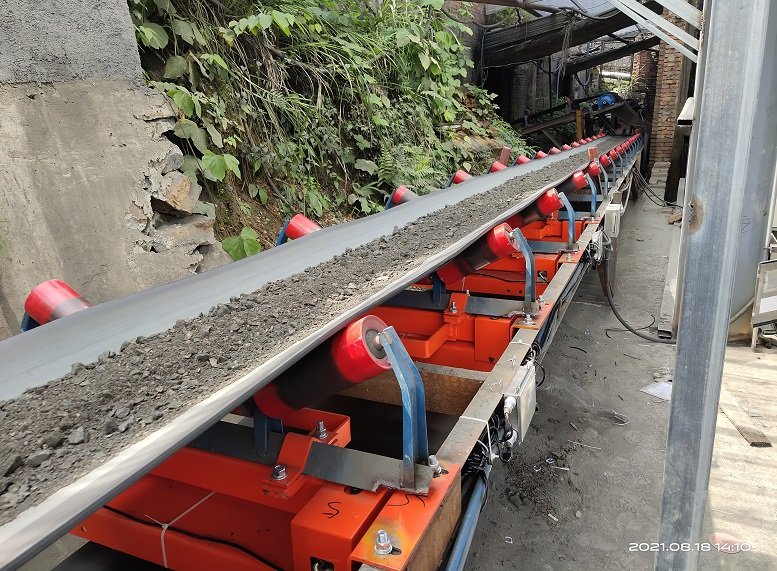
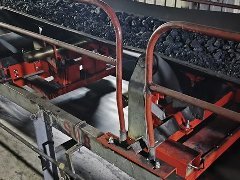
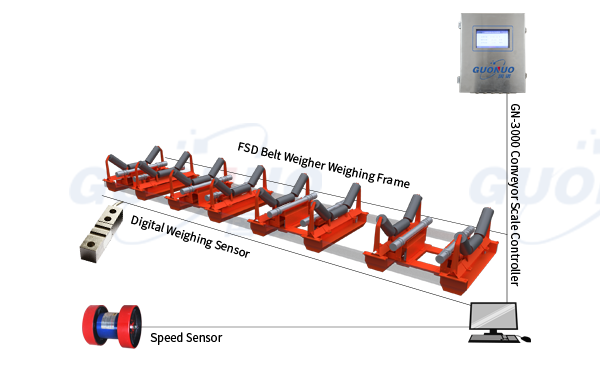
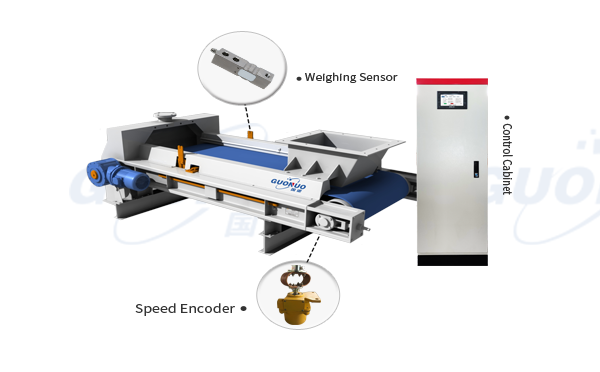
The measurement work of mining electronic belt scales is based on force measurement and conversion. During the operation of the coal transportation belt, the gravity it receives will change, and these changes are called loads, which are detected by the weighing sensor elements on the belt scale device. Then, these loads are converted into electrical signals through weighing sensors, which are processed by a microprocessor and converted into readable output values, namely the weight of the material on the belt.
In the measurement and supervision of coal mine production, mining electronic belt scales mainly have the following functions and applications:
1. Real time monitoring of coal flow: It can continuously measure the quality during coal transportation without the need for manual weighing, greatly improving the efficiency of production measurement work.
2. Accurate weighing and measurement: Using advanced sensor and microprocessor technology, especially the new high-precision mining electronic belt scale, the load signal is converted into a digital signal with strong anti-interference ability and longer transmission distance. The scale frame structure is more robust and simple, ensuring the accuracy of coal production measurement.
3. Data recording, archiving, and analysis: It can record and store the measurement results of coal weight, providing data support for coal mine production supervision and control, facilitating data retrospective analysis and long-term tracking.
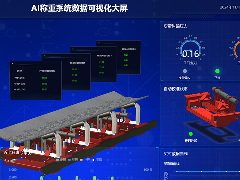
4. Production supervision: Through the belt scale software or integration with the production monitoring system, on the one hand, the coal production situation can be remotely monitored in real-time, and on the other hand, the measurement data can be analyzed and statistically analyzed to help coal mines regulate production and better control and adjust the production process.
5. Fault Warning: Equipped with fault monitoring and warning functions, it can promptly issue alarm information in case of equipment abnormalities or abnormal coal flow, making it easy for maintenance personnel to handle in a timely manner.
6. Application safety and reliability: Due to the possibility of application scenarios and environments such as underground coal mines, entrances and exits, these situations are quite special. The mining electronic belt scale is made of industrial grade materials and has explosion-proof performance that meets standard requirements, which can fully ensure the safety of application.
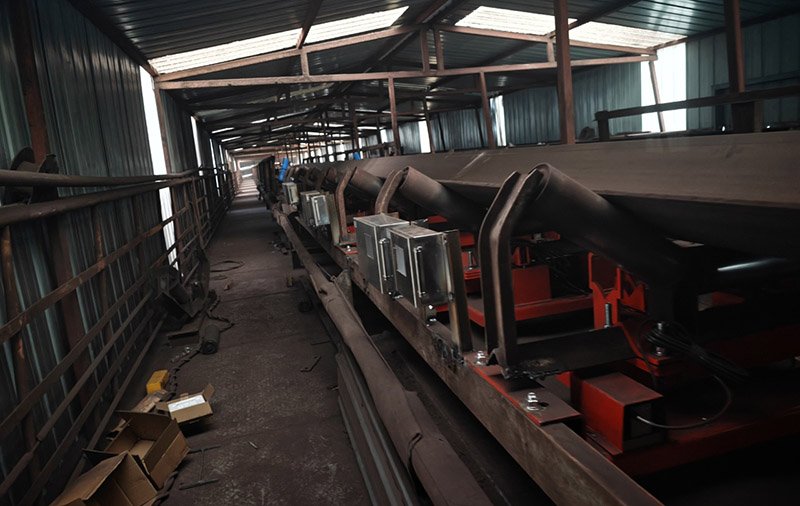
Mining electronic belt scales are widely used in various aspects of coal production, such as raw coal transportation, coal gangue separation, coal slurry treatment, and power plant coal transportation systems. In these job scenarios, it can accurately measure the weight of coal, providing data support for production process optimization, output monitoring, and coal consumption accounting.
Overall, as an important tool for measuring and monitoring coal mine production, mining electronic belt scales can provide accurate and real-time production data, effectively assisting managers in making decisions.