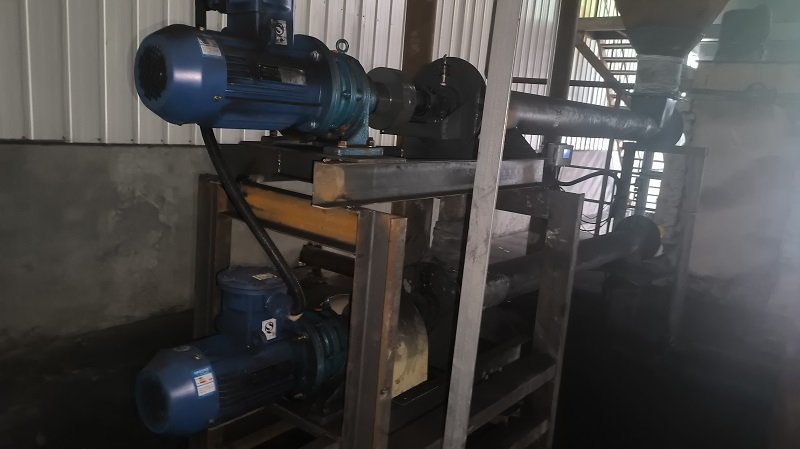
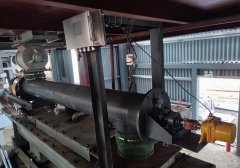
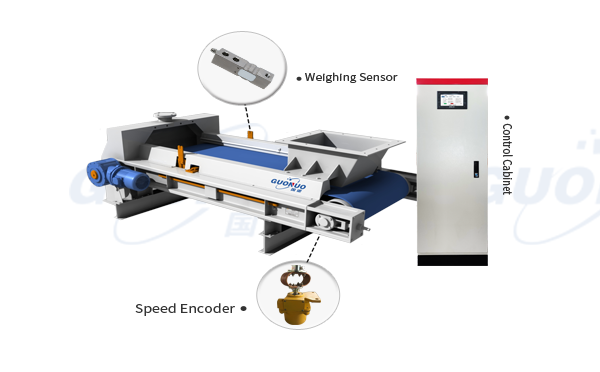
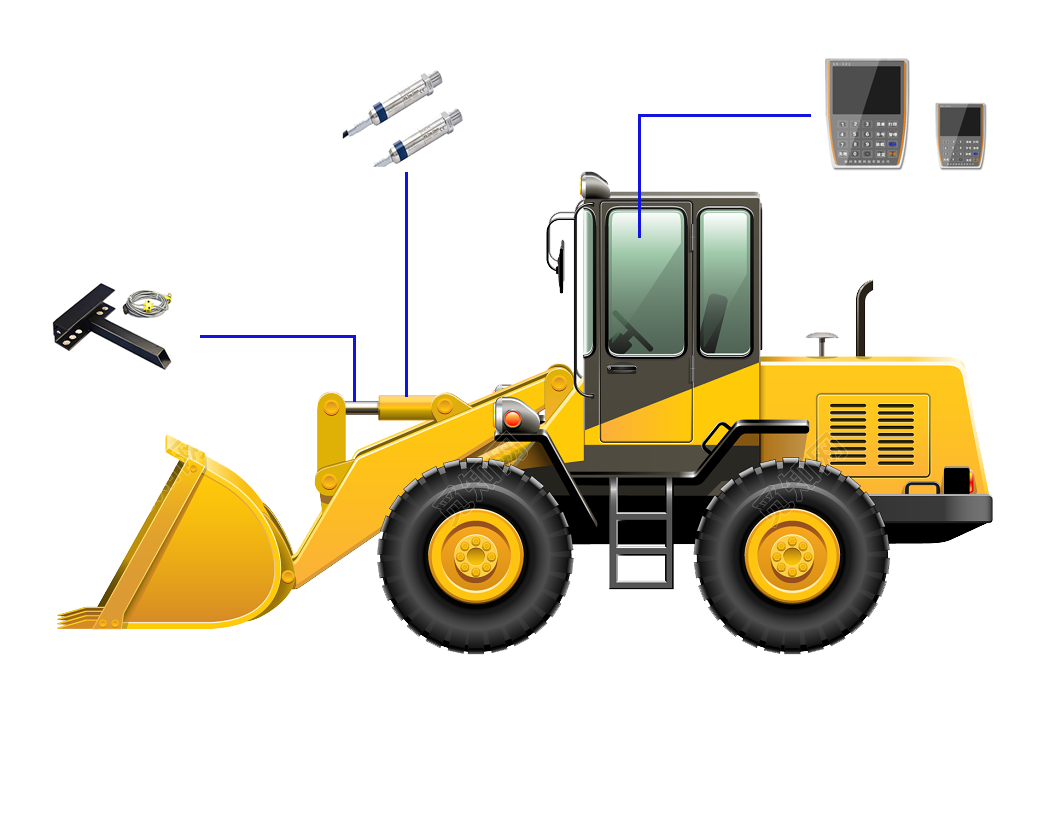
A weighing screw feeder integrates dynamic weighing and PLC automatic control technology on the basis of tubular screw conveyors. As a continuous feeding and metering unit, it realizes an integrated design combining material conveying, weighing measurement and quantitative control.
Featuring a simple, robust and durable structure, easy operation and maintenance, excellent system tightness, high cost performance, and strong adaptability to diverse materials and production environments, this equipment is widely adopted in flow measurement, quantitative feeding and batching control systems for powdery and granular materials in metallurgy, chemical, power, cement and other industrial sectors, playing a vital role in boosting production efficiency and production supervision capacity.
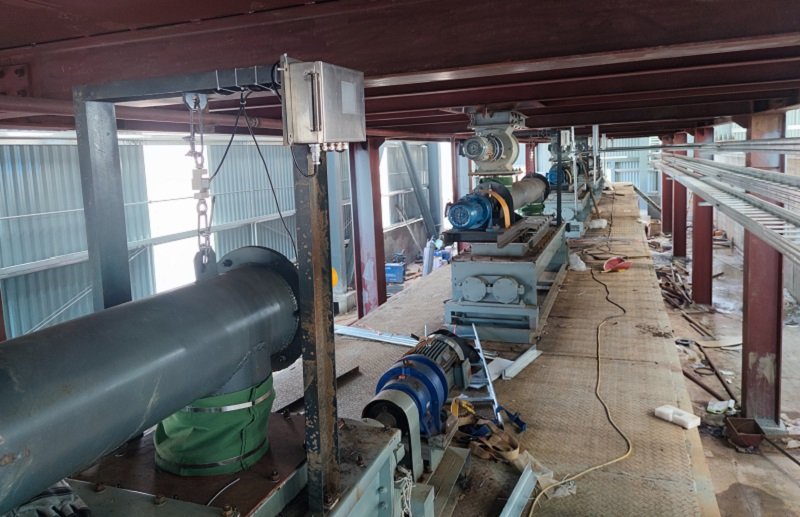
Multiple technical factors must be comprehensively evaluated during the selection of a weighing screw feeder to ensure the equipment fully meets on-site process and environmental requirements; otherwise, the equipment cannot deliver its intended value and functions. In general, the key technical considerations for selecting a screw feeder are listed as follows:
1. Select equipment specifications based on actual material flow rate and material characteristics
Distinct material properties (such as particle size, flowability and viscosity) impose significant impacts on feeder type selection and design, so a matching screw feeder shall be chosen according to specific material characteristics. The specification of a screw feeder is defined by the screw blade diameter and the dimensions of inlet and outlet. The screw blade diameter is selected to accommodate the maximum volumetric material flow.
The length of the inlet and outlet must prevent material overflow, leakage, blockage and jamming, while sustaining sufficient instantaneous flow load, so as to guarantee steady and uniform material discharge. Excessively long or short inlet/outlet sections will lead to adverse operation.
Normally, longer inlet and outlet sections are suitable for free-flowing powdery materials, while shorter sections apply to materials with poor flowability. Meanwhile, the layout constraints of the on-site production process shall also be taken into account when determining the inlet and outlet length.
2. Confirm required metering accuracy according to production processes
Restricted by mechanical and technical limitations, the metering accuracy of screw feeders cannot match that of belt feeders, yet it still delivers qualified precision for most working scenarios.
During equipment selection, users shall define the accuracy standard required by on-site processes to select appropriate load cells and control systems, so that the feeder can provide accurate and reliable metering and control results.
Special attention shall be paid to selection if the process layout involves a large inclination angle and ultra-high accuracy requirements.
3. Determine feeder conveying capacity based on production line demands
Specifications including screw diameter, rotational speed, motor power, conveying length and sensor measuring range shall be determined in accordance with production line throughput requirements. This ensures the selected equipment satisfies the conveying demands of the production line and avoids underloading or overloading during operation.
4. Confirm structural configuration based on working conditions
Screw feeders are available in various structural types, such as variable-pitch screws, single-tube screws and twin screws. The process and environmental conditions of the application site shall be considered for selection: single-tube screws are preferred for limited installation space and moderate accuracy demands, while twin-tube screws suit large installation areas, high throughput and strict requirements for feeding uniformity and stability.
In addition, appropriate protective devices, exhaust ports and other accessories shall be configured in line with specific process parameters to achieve optimal equipment performance.
In summary, when purchasing a weighing screw feeder, full consideration must be given to technical indicators including material characteristics, accuracy standards, environmental conditions, production processes, conveying capacity and operational safety. The equipment shall be selected by combining practical site conditions and actual production demands, so that it can satisfy production standards and maintain stable and reliable long-term operation.