Weighing feeder is a machine used for automatic or semi-automatic feeding, which controls the feeding amount by weighing the material. It is widely used in many industries such as chemical, food, building materials, steel, cement, etc.
According to the different working principles and structural characteristics of feeders, they can be classified into the following categories:
1. Uniform feeder: It uniformly delivers materials to downstream equipment through vibration, rotation, or pushing, suitable for limited accuracy and high speed requirements.
2. Proportional feeder: achieves the desired feeding ratio through weighing and control, suitable for applications with high precision and demand.
3. Spiral feeder: The material is conveyed from the hopper to downstream equipment through a spiral propeller, suitable for conveying small and powdery materials.
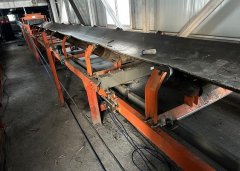
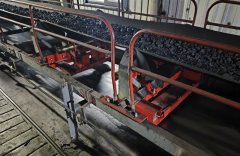
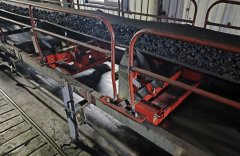
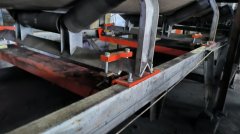
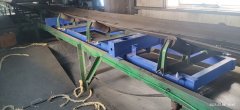
4. Belt feeder: The material is conveyed to downstream equipment through a moving conveyor belt, suitable for conveying mud or large block materials.
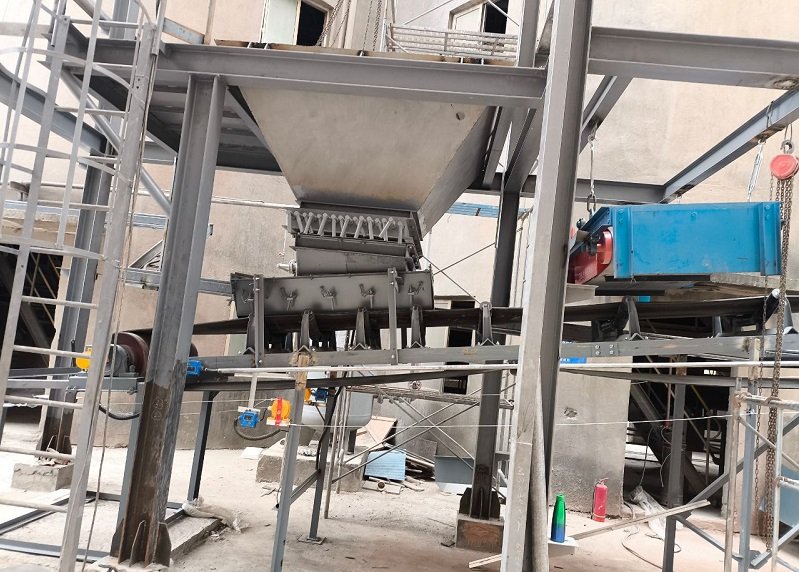
In practical applications, weighing feeders have obvious advantages and characteristics:
(1) The weighing feeder can be set to a fully automatic working mode, without the need for manual intervention, and can complete the batching operation according to the parameters set by the system. The entire process is highly automated, reducing manual labor and lowering labor costs.
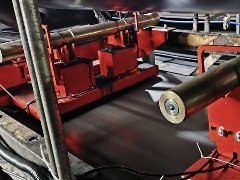
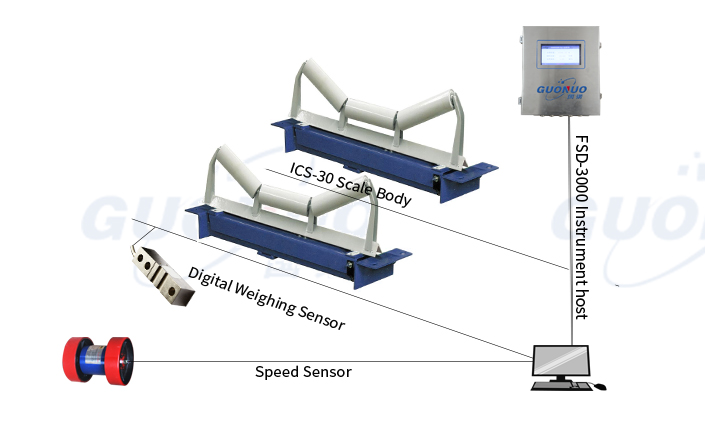
(2) Equipped with high-precision weighing sensors with strong anti-interference capabilities, high-performance computational processing control instruments, and reliable and stable PLC control, ensuring weighing and control accuracy while maintaining stability, reducing errors between actual ratios and formula parameters, and improving product quality.
(3) The weighing feeder can be customized according to actual production conditions, whether it is a belt feeder or a spiral feeder, as well as the specific bandwidth, spiral tube diameter, center distance, material, etc., all of which are customized according to specific practical needs, fully ensuring on-site adaptability.
(4) Weighing feeders have minimal limitations on the characteristics of materials. For example, belt feeders are suitable for various volume sizes of block and granular materials, while spiral feeders can be selected for some special materials, such as those that are prone to dust and have certain corrosiveness.
(5) Configure the upper computer software system to facilitate remote monitoring of the ingredient situation on the production site by managers, such as equipment operation status, shift production output, etc. It can also query historical data and reports, thereby improving management level.
The weighing feeder has significant application benefits such as improving production efficiency, reducing manual operations, and lowering labor costs. For production lines that require accurate control of material feeding rates, weighing feeders can ensure a constant feeding speed, thereby improving product quality and reducing scrap rates. In addition, actively using weighing feeders can also reduce labor intensity and improve production safety.