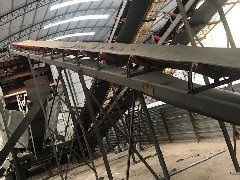
In the continuous conveying of bulk materials in industries such as coal, building materials, chemicals, and ports, belt scales are the core equipment that ensures accurate measurement and controllable production.
With the continuous improvement of measurement accuracy and operation efficiency requirements in industrial production, modular high-precision belt scales are gradually replacing traditional ordinary belt scales and becoming the mainstream choice of the new generation. The two may appear to have similar functions, but in reality, there are significant differences in design logic and user experience.
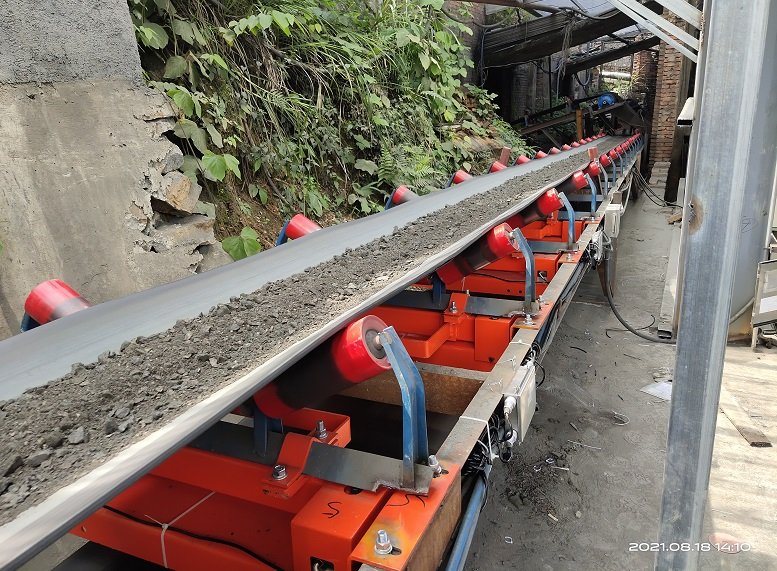
Structural design: no lever, no bridge, simplified structure
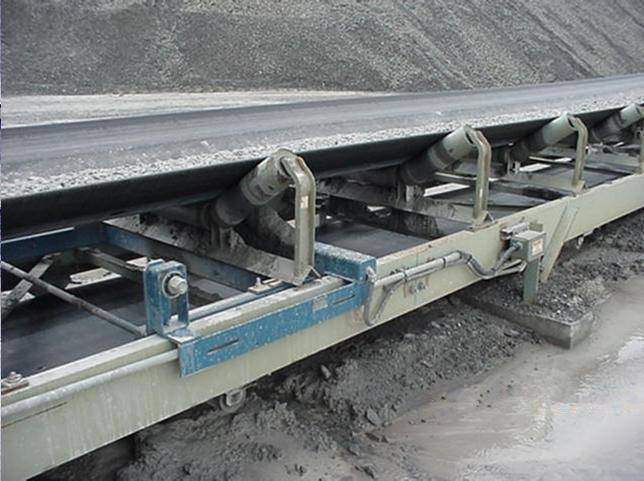
From the perspective of structural design, the core difference between the two is clear at a glance: traditional ordinary belt scales rely on an integrated weighing bridge with a lever type force transmission structure. In this "indirect measurement" path, problems such as wear of the lever fulcrum, deformation of the force arm, and zero drift caused by dust accumulation are numerous, leading to inevitable long-term measurement errors.
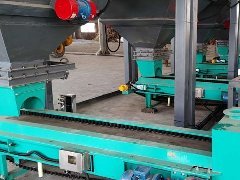
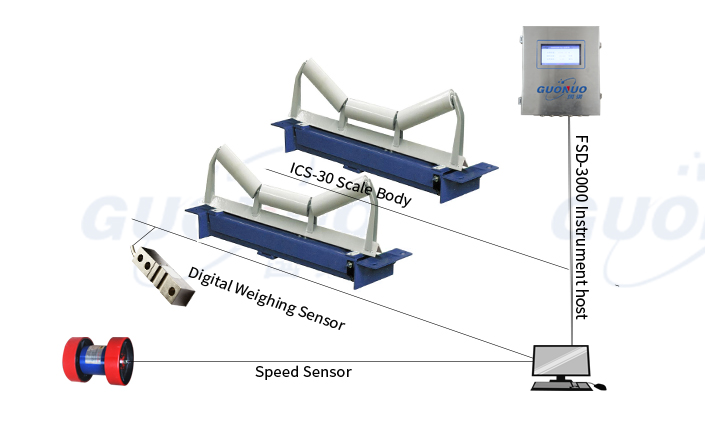
The modular high-precision belt scale eliminates the need for an overall weighing bridge and directly uses an independent weighing module that integrates weighing sensors and force transmission mechanisms, which directly supports the weighing drum. The advantages brought by this design refactoring run through the entire lifecycle from production delivery to long-term use.
Installation and maintenance: flexible and convenient, reducing full lifecycle costs
The ordinary belt scale body is large and bulky, and installation often requires lifting equipment. On site installation requires welding and cutting, with a long construction period and extremely high technical requirements for installation personnel. If there is a need to improve the measurement accuracy in the later stage, it is often necessary to replace it as a whole.
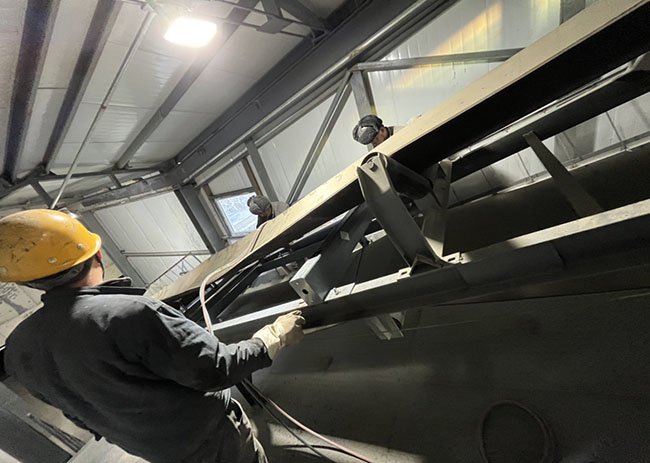
The modular belt scale adopts a modular concept, with small module size and light weight, and can be installed on site by one or two people. Once a weighing module malfunctions, it only needs to be replaced separately. If the measurement accuracy needs to be improved in the later stage, the weighing module can be flexibly added. Standardized spare parts reduce storage costs, and during upgrades, "changing modules without changing scales" protects users' initial investments. In the long run, modular design significantly reduces overall usage costs.
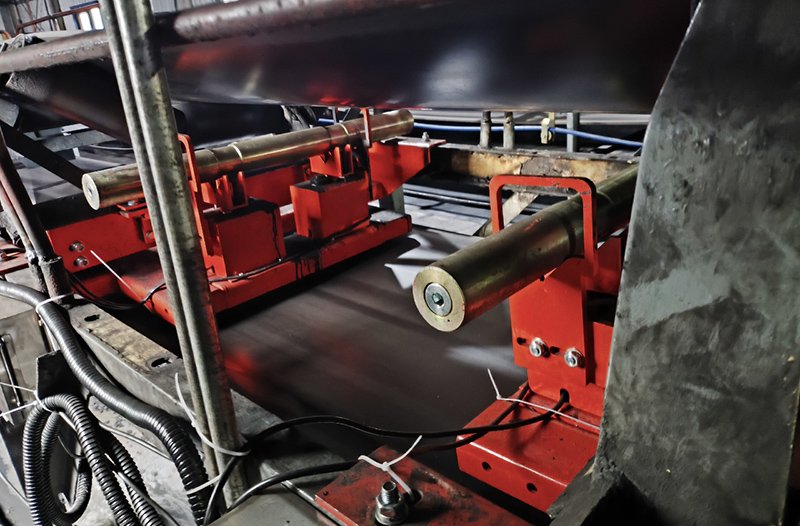
Environmental adaptability: resistant to vibration, dust, and harsh working conditions
The weighing site for bulk materials is often accompanied by strong vibrations from crushers, high concentrations of dust, and humid water vapor. The accuracy of ordinary belt scales rapidly decreases under sensor dust accumulation and vibration interference, and frequent calibration and maintenance have become the norm.
The modular high-precision belt scale has been systematically optimized for harsh environments. Multi point support disperses vibration impacts, while rigid platforms enhance their resistance to low-frequency vibrations; The key sensors adopt digital sensors with stronger anti-interference ability. Under high dust and strong vibration conditions, the durability and stability of modular belt scales are significantly better than ordinary belt scales.
Accuracy level: dual guarantee of high precision and long-term stability
The lever fulcrum of traditional ordinary belt scales has wear problems, which can easily cause gaps and measurement errors after long-term operation; Simultaneously weighing the structural stress and dust accumulation of the bridge frame can affect zero stability, and manual calibration is required on average every 1-2 months.
Modular design not only eliminates the lever fulcrum and reduces movable parts, avoiding accuracy drift caused by fulcrum wear from the root, but also the sensor is not directly connected to the structural components, greatly reducing the impact of structural deformation and installation stress on the sensor force. The tare weight is smaller, the sensor range utilization rate is higher, and the measurement accuracy can reach ± 0.25% or even higher stably. The long-term operation accuracy fluctuation is much lower than that of traditional belt scales, and the calibration cycle can be extended to 3-6 months, greatly reducing the operation and maintenance workload.
Application scenarios: From bulk materials to building materials, from mining to ports
With the advantages of modular high-precision belt scales in accuracy, stability, and installation flexibility, their applications have covered various scenarios such as cement plant raw material batching, coal mine belt conveyor measurement, precise addition of chemical raw materials, dynamic weighing of grain storage, and port material trade settlement. Compared to ordinary belt scales, modular belt scales have a wider range of applications and stronger adaptability to the environment.
Compared to ordinary belt scales, modular high-precision belt scales have achieved comprehensive upgrades in accuracy, stability, maintenance, and adaptability. Under the development trend of industrial fine control and precise cost accounting, modular high-precision belt scales are becoming increasingly widely used.